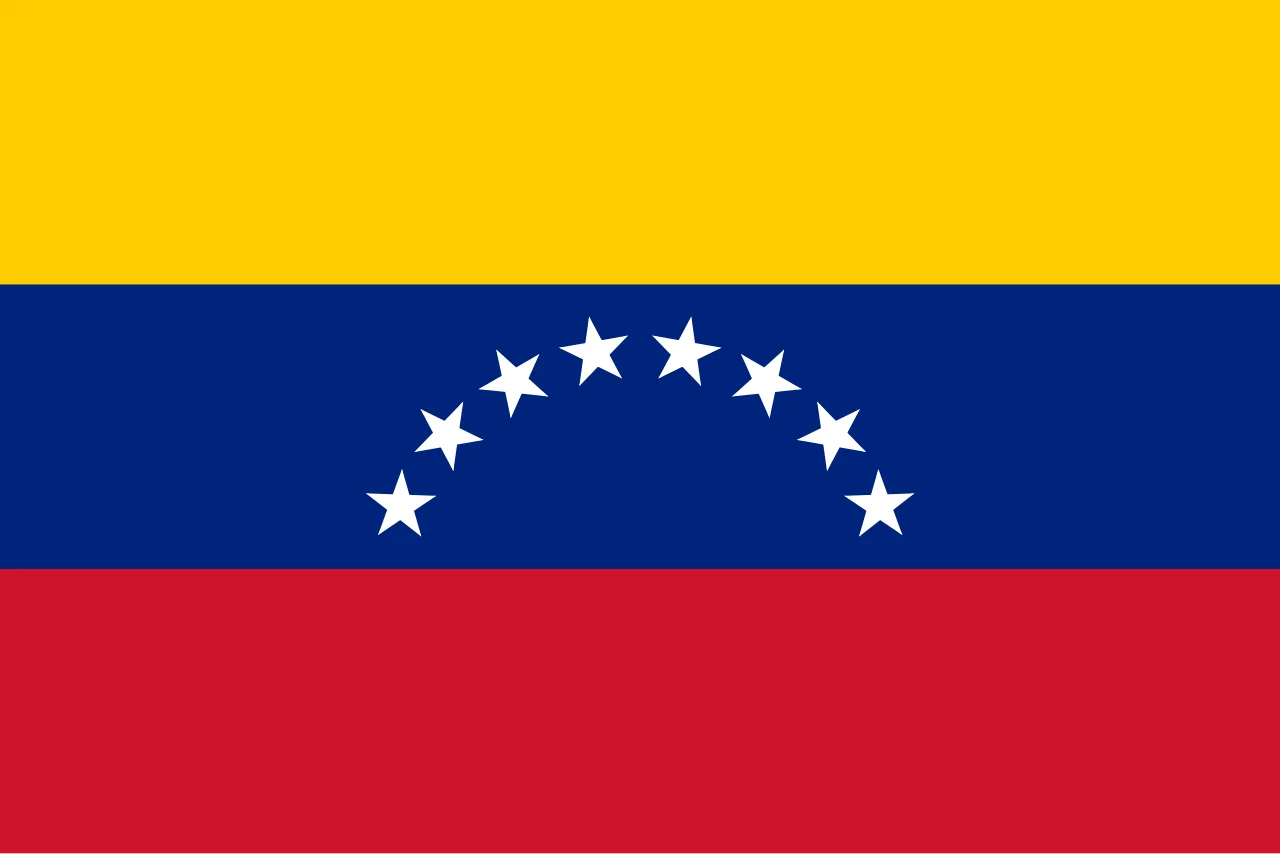
Venezuela, whose leader the Trump administration removed in early January, is known mostly for its oil industry, but a period of change may offer opportunities for increased U.S. exports of both food and technology.
Venezuela’s agricultural sector has long ties to the U.S., including Nelson Rockefeller’s role in modernizing the grocery industry there. Despite the recent conflicts between the U.S. and Venezuelan governments, Venezuela has continued to import food from the U.S. The oil industry has dominated the Venezuelan economy since the 1950s, but Venezuelan agriculture has not kept up with the modernization in other countries.
When Hugo Chavez, a socialist, became president of Venezuela in 1998, he imposed price controls on basic foods and used oil income to increase food imports; but when that income went down, he had to reduce imports, leading to food insecurity.
In 2001, the Venezuelan government transferred ownership of land from large, private landholders to poor Venezuelans and compensated the previous owners. The idea was to increase domestic food production, but the new landowners faced many problems and production went down.
Nicolas Maduro, who succeeded Chavez in 2013 and was deposed recently by the U.S., significantly decreased the importation of goods, leading to “extreme food scarcity,” the Agriculture, Nutrition and Health (ANH) Academy said in an analysis.
But the Venezuelan economy has since been somewhat liberalized, and the U.S. Agriculture Department’s Foreign Agricultural Service (FAS) has ranked Venezuela as the 34th most important export market for the U.S., with a total export value of $753.21 million in 2024 and a three-year average of $716.91 million in purchases. Venezuela has a population of roughly 30 million people.
In comparison, neighboring Colombia has a population of 53 million, but U.S. agricultural exports there were nearly $4.4 billion last year and are projected to be 21% higher for 2025, according to USDA export data.
The U.S. is the second largest supplier of agricultural and food products to Venezuela by volume, with a 29% market share, FAS said. Soybean meal, corn, rice and wheat are the top exports, although dairy products and cat and dog food have grown the most in the last 10 years.
FAS reports
In a September 2025 report, Mark Rosmann, a FAS analyst based in Bogota, wrote, “Since 2019, the economic environment in Venezuela has improved and the removal of price controls in 2019, along with reduced market distortions, has allowed meat prices to adjust according to market conditions.
“For 2025, total per capita meat consumption is estimated at 45 kg, marking a 153% increase from 2018,” he said. “Chicken has become one of the most affordable sources of animal protein in Venezuela, second only to eggs, and remains well below pork and beef prices, thanks to its price competitiveness.”
Rosmann added, “The U.S. is currently the leading supplier of beef and dairy cattle genetics to Venezuela, exporting live cattle, sires, semen and embryos. Direct exports of U.S. live breeding cattle to Venezuela resumed in 2024 after a seven-year pause, with 30 Brahman bulls and heifers valued at $300,000. In 2025, an additional 23 American Red Brahman and American Red Brangus cattle, valued at $180,000, were exported to Venezuela.”
In a separate report, Rosmann wrote, “Venezuela’s Seed Law, enacted in December 2015, prohibits the importation of genetically engineered seeds, including corn. However, the country allows the importation of biotechnology-derived feed grains, including yellow corn.
“Leading rice suppliers were Brazil (110,000 MT, 47% share) and the U.S. (56,000 MT, 24%).”
In marketing year 2024-25, the primary suppliers of wheat and wheat products were Canada (528,000 metric tons, 45% market share), the U.S. (349,000 metric tons, 30%), Turkey (149,000 metric tons, 13%), and Russia (130,000 metric tons, 11%).
Analysis by FAO
The United Nations Food and Agriculture Organization (FAO) and the International Fund for Agricultural Development have also published reports on the condition of Venezuelan agriculture.
In December, FAO estimated 7.9 million of Venezuela’s more than 28 million people need humanitarian aid. Analysts have also said as many as 8 million people have fled the country in recent years, mostly to Columbia, Brazil and Peru, but also to the U.S.
Farmonaut, a satellite-based agricultural reporting system, has published a report on opportunities for exports of agricultural technology to Venezuela in 2025.
In December, Rachel Nelson of FAS wrote, “Despite Venezuelan authorities’ efforts to portray modern agricultural biotechnology as dangerous, private industry groups openly support it for its potential to increase productivity and reduce the use of agricultural chemicals, and advocate for a regulatory framework that allows its legal use. They also note the contradiction of prohibiting domestic biotech use while permitting imports of biotechnology-derived products and crops.” —Jerry Hagstrom, DTN political correspondent and Chris Clayton, DTN ag policy editor