A Texas appeals court has affirmed a lower court ruling in a fatal cattle-vehicle collision, offering livestock producers additional guidance on when escaped cattle on state and U.S. highways can result in liability under Texas fence law.
The 11th Court of Appeals issued its opinion in Surrento v. Cactus Growers Inc., a case stemming from the death of Brianna Surrento after her vehicle struck a cow on U.S. Highway 180 in Gaines County. Her father, Michael Surrento, sued Cactus Growers Inc., the owner of the cattle, along with Jeffrey Carlisle, Jackie Warren and the James and Dorothy Doss Foundation, alleging gross negligence and liability. A district court granted summary judgment for all four defendants, and Surrento appealed.
Background
The accident occurred near the Doss Ranch, which the Doss Foundation owns and leased to Jackie Warren for several years. Warren entered into a grazing agreement with Jeffrey Carlisle, who managed about 250 cattle owned by Cactus Growers on the property. The ranch was divided into three large pastures, including the West and East pastures separated by County Road 135, with Highway 180 running along their southern boundary.
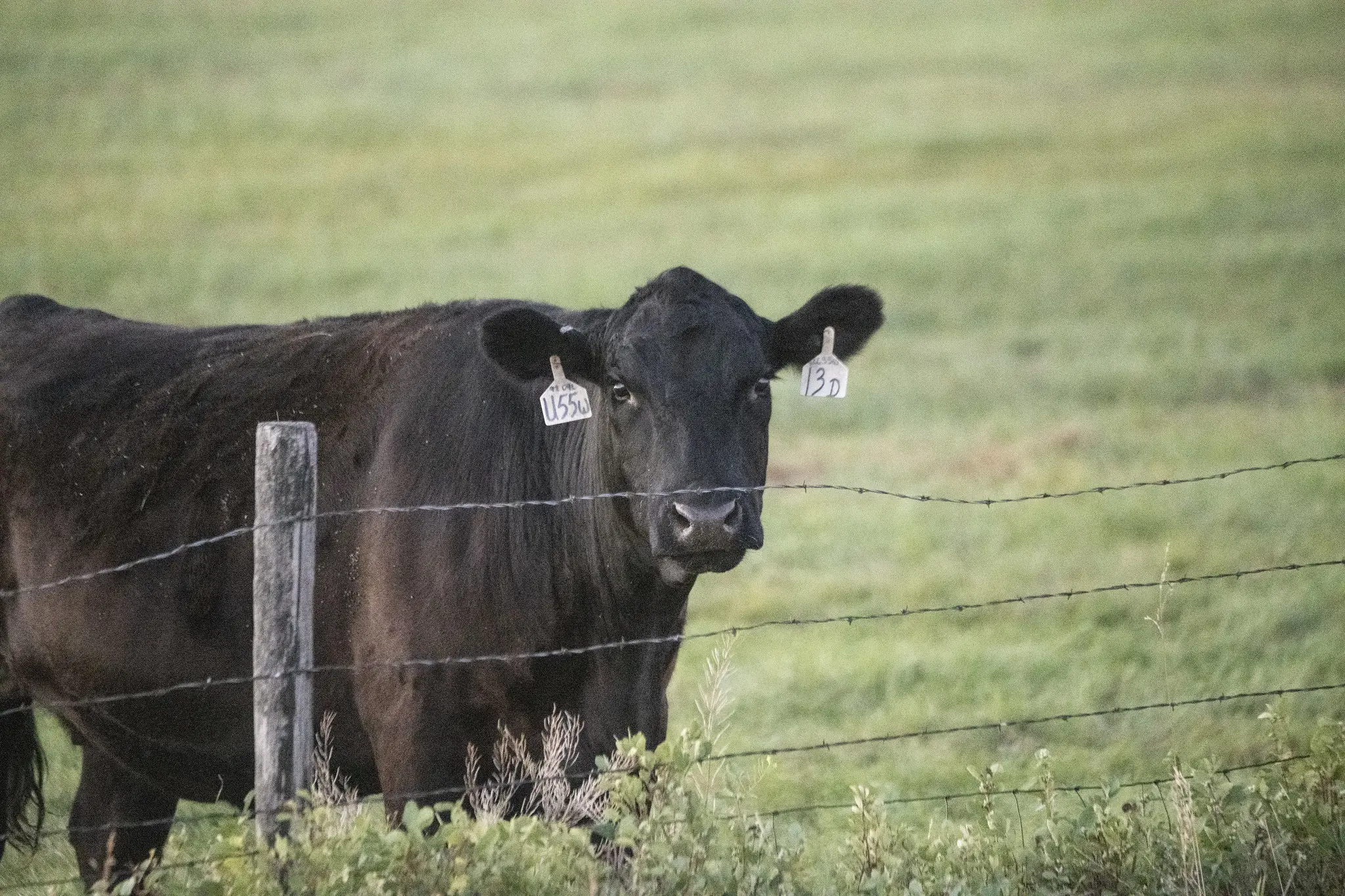
Carlisle said the Cactus Growers cattle were kept in the West Pasture, where he had recently installed new five-strand barbed-wire fencing with steel pipe corners along much of the perimeter. He said the fence separating the West and East pastures was built in the same manner and was tight, in good condition and capable of containing cattle.
Earlier on the day of the accident, a Gaines County sheriff’s sergeant found a cow outside the fence and contacted Carlisle. After the cow was returned inside a gate, Carlisle and a ranch hand inspected the property and perimeter fences but found no cattle outside, open gates or fence breaches. Later that evening, dispatch received another report of two black cows on the highway. Surrento’s collision occurred shortly afterward.
Ruling and merits
At issue in the case was what must be proven under Texas Agriculture Code Section 143.102. The law applies statewide to U.S. and state highways and prohibits a person who owns or has responsibility for livestock from “knowingly” permitting the animals to roam unattended on a highway right-of-way. The appeals court noted that Section 143.102 provides the exclusive liability standard when a livestock collision occurs on those highways.
The standard goes beyond whether an owner was negligent or “should have known” cattle might escape. Citing previous Texas cases, the court said liability requires evidence that the livestock owner knowingly permitted an animal to roam at large. The court also noted that an escape alone does not establish liability and that knowledge a cow might escape is insufficient to satisfy the statute.
Tiffany Lashmet, Texas A&M AgriLife Extension agricultural law specialist, said the decision underscores the higher “knowingly permit” standard that applies to collisions on state and U.S. highways.
That standard requires more than evidence that a livestock owner should have known an animal could get out, she said. Evidence must show the owner was “reasonably certain” livestock would escape. Actual knowledge that cattle are out provides the strongest evidence, although poor fencing combined with a history of escapes can also be relevant.
The court described two ways a plaintiff could establish that knowledge. Direct evidence could show the owner knew the particular animal involved in the collision had escaped but failed to take sufficient action to retrieve it. Circumstantial evidence could combine inadequate fencing with a history of livestock escapes. Under the circumstantial approach, both inadequate fencing and recurring escapes are required.
In this case, the court found no evidence that the fencing used to contain the herd was inadequate. It also found no established pattern of recurring escapes. Although loose cattle were reported on the day of the accident, Carlisle and the ranch hand inspected the property after the first report and found no loose cattle, open gates or fence breaches. The court concluded those isolated reports did not establish the recurring pattern needed to create a fact issue under the circumstantial theory.
For producers, Lashmet said the case reinforces the importance of responding immediately whenever they learn livestock may be loose.
“Any time a livestock owner receives information that they have livestock out, they should act as quickly as possible to contain the animals to avoid potential liability,” she said.
The ruling also provides guidance for leased grazing property. Section 143.102 applies to the person who owns or has responsibility for controlling the livestock, not simply the person who owns or controls the land. The court found neither Warren nor the Doss Foundation assumed responsibility for controlling the cattle through their agreements. It specifically noted that responsibility for fencing does not necessarily amount to responsibility for livestock.
Lashmet said producers and landowners should pay close attention to lease language because an agreement could assign livestock-related responsibilities differently.
Ultimately, the appeals court found insufficient evidence to support the statutory claims against any defendant and affirmed the trial court’s judgment. — Charles Wallace, WLJ contributing editor