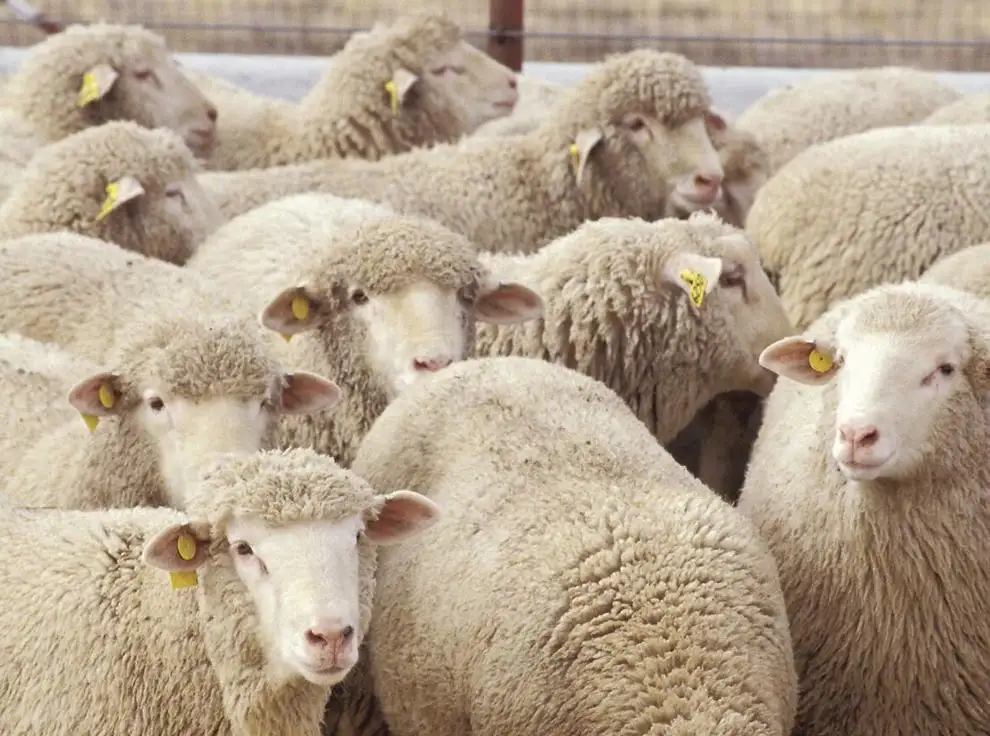
A split decision by the U.S. International Trade Commission (USITC) allows an investigation into lamb imports to move forward, giving American sheep producers another opportunity to seek trade relief.
The commission voted 3-3 on Nov. 13 on whether lamb meat is entering the U.S. in increased quantities that are a substantial cause of serious injury to domestic producers. Although commissioners failed to reach a majority decision, federal law allows the investigation to proceed to the remedy phase, according to the USITC.
The commissioners supporting an injury determination also concluded that Australian lamb imports, considered individually, are a substantial cause of serious injury or threat of injury. They did not reach the same conclusion for imports from Canada, Mexico or several other countries covered by free trade agreements.
The investigation began July 13 at the request of the Office of the U.S. Trade Representative (USTR) under Section 202 of the Trade Act of 1974, which allows the federal government to consider temporary safeguards when increased imports cause or threaten serious injury to a domestic industry.
Sheep producers welcome decision
The American Sheep Industry Association (ASI) called the decision an important step toward addressing the effects of low-priced imports on domestic sheep operations.
“While we would have preferred a clear affirmative decision, a tie still results in an important step forward for American sheep producers and reflects the collective efforts of our industry to bring this issue before federal decision-makers,” said Ben Lehfeldt, ASI board president.
ASI began seeking trade relief in October 2025, asking USTR to investigate the impact of lamb imports on American producers. During the commission’s Oct. 16 hearing, ASI presented evidence that imported lamb undersold domestic lamb in more than 90% of price comparisons and continued gaining market share despite U.S. producers’ investments in processing facilities, improved efficiency and efforts to promote lamb consumption.
The Ranchers-Cattlemen Action Legal Fund, United Stockgrowers of America (R-CALF USA) also welcomed the decision, saying it gives domestic sheep producers another opportunity to seek protection from imports.
“This is an important step forward for the sheep producers who have watched imports take over their market while family operations disappear,” said R-CALF USA CEO Bill Bullard. “Today’s decision opens the door to relief that can give American producers an opportunity to rebuild.”
R-CALF USA said it became involved in August 2023, when Protect American Lamb, then part of its Sheep Committee, petitioned USTR for import relief, and later joined ASI in representing domestic sheep producers during the investigation.
Australia, New Zealand dispute claims
Australian and New Zealand sheep industry groups offered different reactions to the commission’s split decision, maintaining that imported lamb supports rather than harms American producers.
The Australian Meat Industry Council (AMIC) and Sheep Producers Australia (SPA) said imports help maintain year-round supplies, meet consumer demand and fill seasonal gaps in U.S. production.
“Australian lamb is entirely complementary to U.S. domestic production,” said AMIC CEO Tim Ryan, adding that consistent supplies help keep lamb available in grocery stores and restaurants.
SPA CEO Bonnie Skinner emphasized that the decision does not immediately change trade arrangements or restrict Australian lamb entering the U.S.
Beef + Lamb New Zealand (B+LNZ) and the Meat Industry Association (MIA) expressed disappointment but said the divided vote supports their position that imports are not responsible for challenges facing American producers.
“While this outcome is disappointing, it is positive that half of the commissioners agreed with our case that New Zealand lamb is not causing harm to the U.S. industry,” said B+LNZ Chair Kate Acland.
Acland noted that New Zealand producers face similar challenges, including declining sheep numbers, and have invested in genetics, research and farm management to remain competitive.
MIA Independent Chair Nathan Guy warned that restricting imports could reduce lamb availability, hurt restaurants and consumers, and eventually weaken demand for both imported and domestic lamb.
Final decision rests with Trump
The commission will hold a public hearing Dec. 1 before submitting its findings and recommendations to President Donald Trump by Jan. 11, 2027.
According to ASI, Trump will have 60 days after receiving the commission’s report to act on its findings and recommendations or select a remedy of his own. If relief is granted, the measures would take effect about 15 days after a presidential proclamation.
For American sheep producers, the next phase offers another opportunity to argue that import competition has weakened domestic production and limited marketing opportunities. Australian and New Zealand exporters, meanwhile, will continue to argue that imported lamb supports year-round demand and helps maintain the U.S. market. — Charles Wallace, WLJ contributing editor