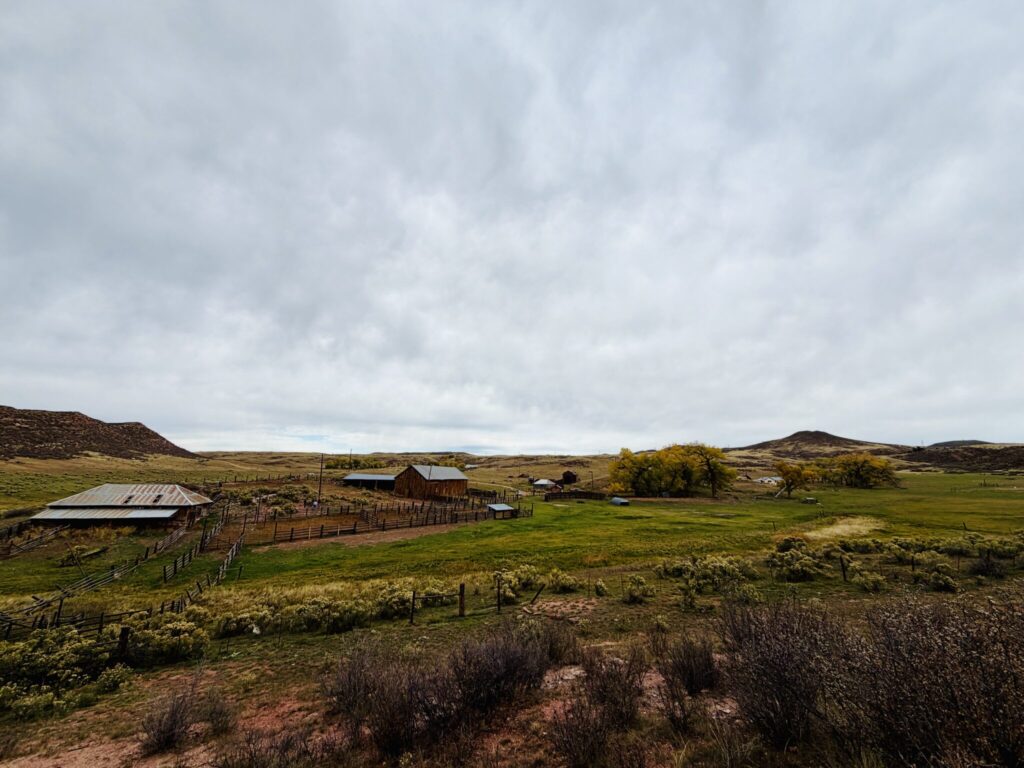
Colorado State University’s (CSU) prized bison conservation herd has a new home base. The university recently finalized an agreement to use Maxwell Ranch, a working cattle ranch in northern Colorado, as a second location for managing the Laramie Foothills Bison Conservation Herd. The herd is a collaborative program that has bred, raised and rehomed more than 200 bison to Native American Tribes and other conservation herds across the country.
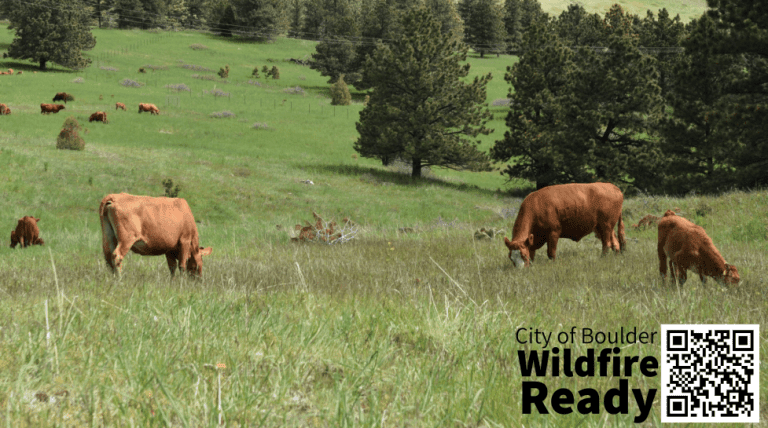
The new location will allow researchers to study important questions about the impacts of grazing bison and how bison and cattle interact on the same landscape, particularly as it relates to concerns over the potential for disease to be transmitted between animals. The location will also provide new teaching opportunities.
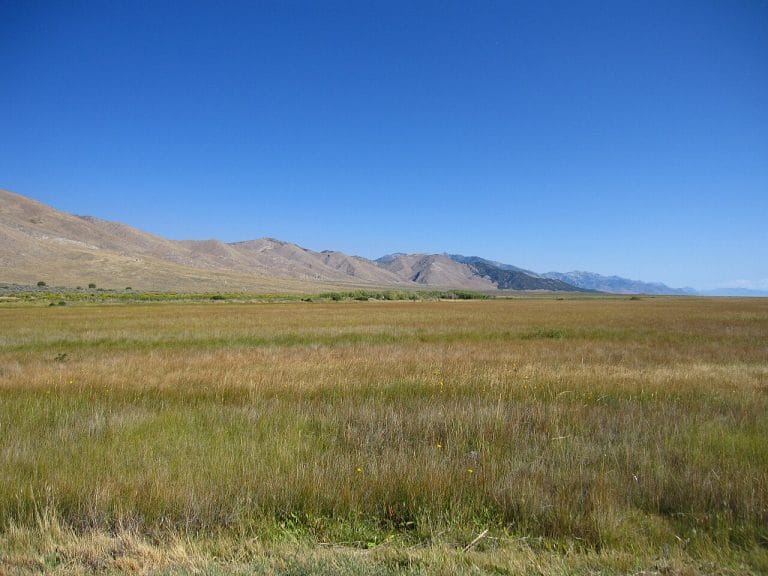
Maxwell Ranch is owned and managed by CSU Strata, a private, nonprofit foundation that operates separately from Colorado State University but supports its activities. The ranch was donated to Strata in the 1970s to benefit university teaching, research and beef cattle production.
“This is going to expand our teaching and research capacities onto a real working ranch,” said Jennifer Barfield, an associate professor in CSU’s Department of Biomedical Sciences who serves as the scientific lead on the bison conservation project. “We’ve approached this as an opportunity to build out a working model where you can have healthy bison and cattle on the landscape together.”
Researchers will now utilize Maxwell Ranch in addition to the herd’s original home, the Soapstone Prairie Natural Area north of Fort Collins, to manage the animals. Herd partners include CSU, the city of Fort Collins and Larimer County; university scientists manage the herd, while the city and county provide habitat. Although visitors can view the bison at Soapstone, Maxwell Ranch is not open to the public.
“We are delighted to support the research and service activities of Dr. Barfield and her team,” said Ajay Menon, president and CEO of CSU Strata. “We believe her work makes great contributions to the history and legacy of the American West.”
The agreement also involves building a new bison handling facility on the ranch. Initially, the structures will include pens and an alleyway that will lead into a chute where the animals can be safely handled if necessary.
“We’re pretty minimal on our handling approach,” Barfield said. “But we want to have something that we can feel really confident about using and know that any risk of injury to the animals would be extremely rare.”
Having an opportunity to investigate new animal health aspects of bison management is what led to this agreement, Barfield said. Although there are some places now where bison and cattle live on the landscape together, she said, there are still concerns among cattle ranchers who worry that adding bison to the land could cause conflict among the animals and introduce disease.
“I think if we can rigorously show that this works, having cattle and bison together, then someone could take pieces of what we’re doing and apply it to their situations where it makes sense,” Barfield said. “I think in some places this could really make a difference.”
CSU and CSU Strata signed the agreement in October. The agreement runs for 10 years and is renewable. The plan is to construct the handling facilities over the next year and then begin using the property. At that time, the new Maxwell Ranch facilities will replace existing bison handling facilities on CSU’s Foothills Campus. — CSU Extension