Livestock grazing permits in southwest Montana will remain in place despite a legal challenge from environmental groups, a federal judge ruled. However, the judge found that the Bureau of Land Management (BLM) failed to adequately disclose information about sage grouse populations and habitat conditions when approving grazing and restoration projects.
Chief U.S. District Judge Brian Morris of the U.S. District Court for the District of Montana issued the ruling in a lawsuit brought by the Alliance for the Wild Rockies, Native Ecosystems Council and Council on Wildlife and Fish.
The case involves BLM’s management of the Grasshopper Watershed west of Dillon, MT, where environmental groups challenged the agency’s environmental review and its decision to allow livestock grazing to continue.
Grazing permits and habitat
According to BLM’s Grasshopper Watershed Environmental Assessment, the watershed covers approximately 367,665 acres in Beaverhead County, including nearly 119,000 acres of BLM-managed land.
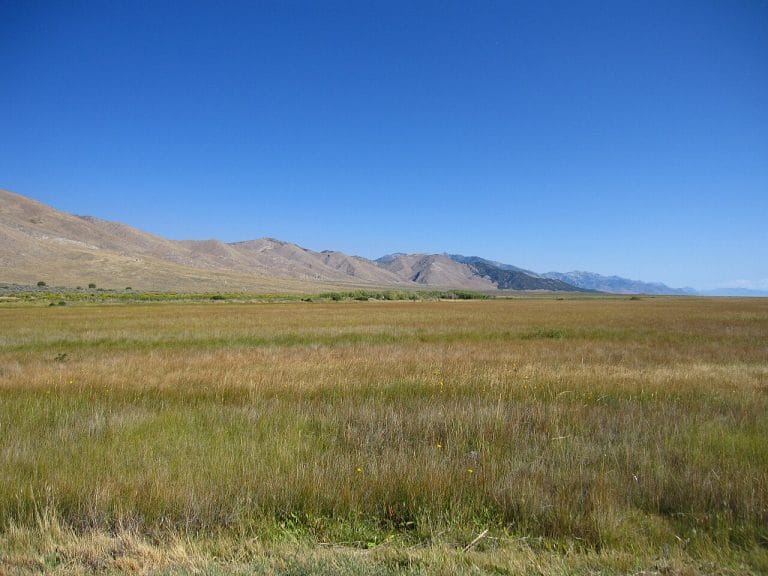
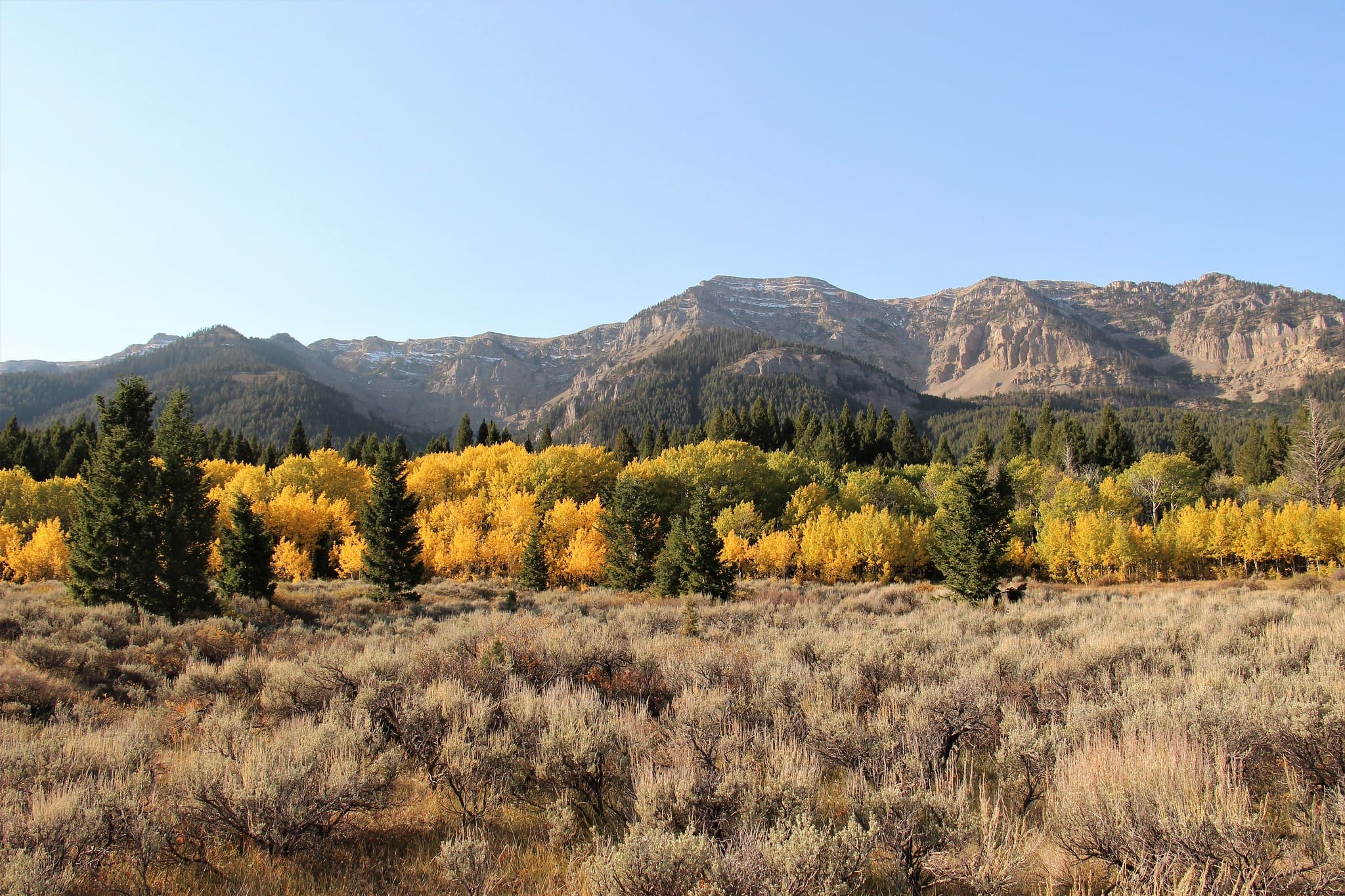
The area stretches from the Beaverhead River and Horse Prairie Creek north toward the Pioneer Mountains. Grasshopper Creek runs through the watershed, which includes sagebrush habitat, grasslands, forests and riparian areas.
The watershed contains 36 grazing allotments covering approximately 117,263 acres of BLM land.
BLM’s assessment found that livestock grazing contributed to poor rangeland conditions in three allotments. To address those concerns, the agency proposed changes to grazing management and improvements to water infrastructure.
BLM finalized its grazing decision in December 2024, renewing permits for all 36 allotments. Grazing would continue under existing management practices on 24 allotments, while the remaining 12 would have revised permit conditions to improve rangeland health.
In a Nov. 17, 2025, press release, the Alliance for the Wild Rockies argued that livestock grazing damages vegetation, disrupts nesting habitat and spreads invasive grasses. The group warned that new water developments and grazing infrastructure could concentrate cattle in sensitive areas. It also raised concerns that fences pose collision risks for sage grouse and provide perches for predators.
Court ruling
In his ruling, Morris agreed that BLM failed to disclose important sage grouse population information, including breeding-ground counts and data showing several years of below-average recruitment.
Morris also found that BLM improperly left forb height measurements out of its environmental assessment, even though the data helps evaluate sage grouse habitat. He ruled that omitting the measurements without explanation was arbitrary and capricious. He ordered BLM to either analyze the data or explain why it was not needed to assess habitat conditions.
However, he rejected the groups’ arguments concerning cumulative grazing impacts, climate change, pygmy rabbits and big game. He found that BLM had adequately considered those issues under the applicable environmental review requirements. Morris also rejected the groups’ argument that BLM should have prepared a more detailed environmental impact statement.
Morris found that the groups had not shown the projects were likely to cause significant environmental harm. He cited the area’s long history of grazing and the limited amount of new infrastructure proposed. Although BLM left out some required information, Morris said the missing data was important for public transparency but was unlikely to change the agency’s overall decision.
Morris ordered BLM to correct the environmental assessment but allowed its grazing decisions to remain in place. He found that the agency had thoroughly studied rangeland health and that the missing information was not significant enough to overturn its decisions.
The decision allows grazing permits to remain in effect while BLM provides additional sage grouse population data and addresses the missing habitat measurements. — Charles Wallace, WLJ contributing editor