

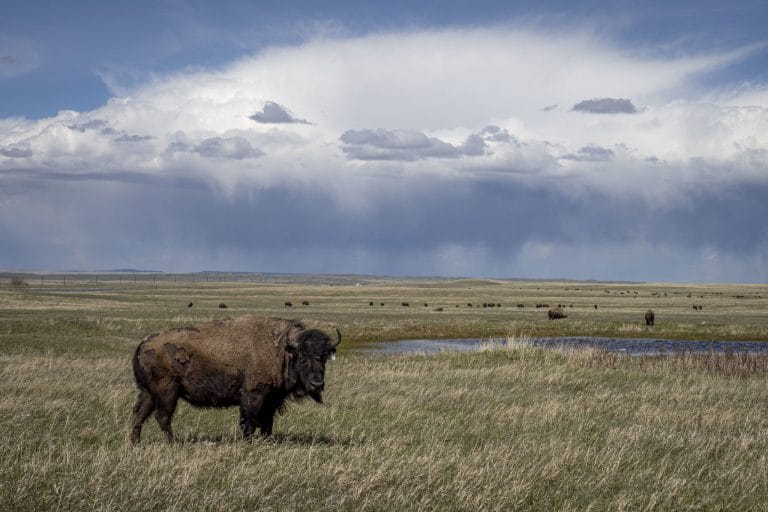
The Bureau of Land Management (BLM) on May 8 revoked grazing permits held by American Prairie on seven allotments in Phillips County, MT, finding the organization’s bison operation does not meet the federal requirement for a production-oriented livestock operation.
The decision reverses a 2022 authorization issued by the BLM that allowed American Prairie to graze bison on federal allotments, including Telegraph Creek, Box Elder, Flat Creek, Whiterock Coulee, French Coulee and Garey Coulee. The 2022 decision authorized both cattle and bison grazing permits on several allotments and cattle-only permits on others.
In a press release announcing the decision, BLM stated that after reviewing the administrative record, applicable law and American Prairie’s public materials and statements, the agency determined the organization manages its bison primarily for conservation and ecological restoration purposes rather than livestock production.
“Public lands are central to the strength and success of America’s ranching and livestock communities,” Acting BLM Director Bill Groffy said. “Consistent with the principles of the Taylor Grazing Act of 1934, the Department of the Interior is committed to responsible stewardship that keeps these lands productive for grazing, supports rural economies, helps feed communities at home and abroad, and preserves the ranching traditions that have defined the American West for generations.”
The final decision follows a lengthy administrative dispute that began after Montana officials, ranchers and agricultural organizations challenged the 2022 permit approval. According to the decision document, the permits were appealed to the Department of the Interior’s Office of Hearings and Appeals shortly after they were issued.
The case remained pending for several years before Interior Secretary Doug Burgum assumed jurisdiction in December 2025 and directed the BLM to reconsider the permits. The agency subsequently issued a proposed decision in January 2026 to terminate the bison authorizations and received nearly 200 protest letters from American Prairie, Tribal organizations, conservation groups and other interested parties.
At the center of the dispute was the interpretation of the Taylor Grazing Act and whether American Prairie’s bison qualified as “domestic livestock” managed for production purposes. The BLM concluded they did not.
In its final decision, the agency said bison can qualify as livestock in some situations, but the key issue is how the animals are managed. The BLM pointed to American Prairie’s repeated descriptions of its herd as part of a broader conservation effort to restore wild bison populations and natural ecological processes across the landscape.
Under the final decision, the BLM rescinded permits authorizing bison grazing on the affected allotments while issuing cattle-only permits where appropriate. The agency also set Sept. 30 as the deadline for removing bison from the relevant public lands.
The decision applies only to the seven allotments involved in the case and does not affect Tribal grazing authorizations, treaty rights or other bison operations. The BLM noted that it continues to permit more than 8,800 bison to be treated as domestic livestock on federally managed grazing allotments nationwide.
The agency also emphasized that the decision does not require American Prairie to remove bison from its private lands.
Reaction, appeal
Montana Gov. Greg Gianforte (R) praised the ruling, calling it a victory for ranchers and rural communities.
“This final decision is a victory for the rule of law and the generations of Montanans who have stewarded our lands with care,” Gianforte said. “For far too long, the Biden administration ignored the clear language of the Taylor Grazing Act in favor of an ideological experiment.”
Gianforte said the decision restores the intent of federal grazing law and protects Montana’s livestock industry.
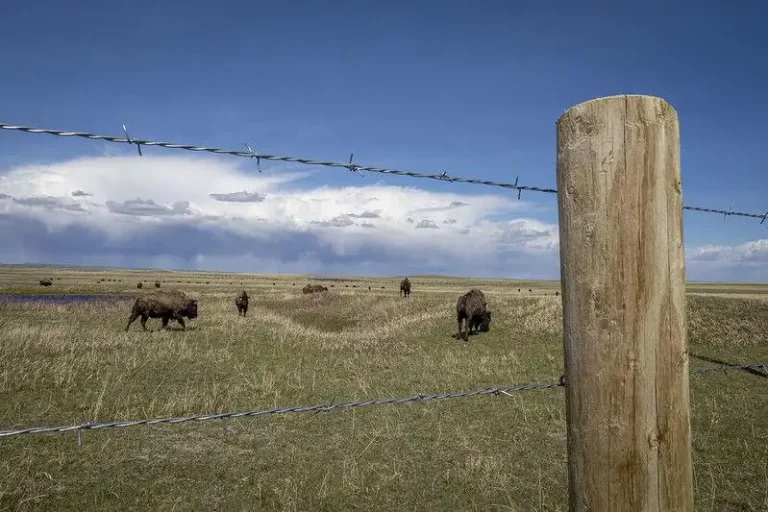
The governor and several state agencies had opposed the permits since 2021, arguing the authorization violated both the Taylor Grazing Act and the National Environmental Policy Act. State officials also raised concerns about economic impacts to local communities, fencing and containment issues, and the effect on Montana state trust lands fenced in common with BLM allotments.
The decision has drawn criticism from conservation and tribal organizations.
According to the final decision, Tribal governments and advocacy organizations argued the proposal undermined tribal bison restoration efforts and ignored cultural and treaty-related interests associated with bison management. Protesters also contended the BLM’s interpretation of the Taylor Grazing Act conflicted with decades of agency practice and broader public land management objectives.
American Prairie has previously stated it intends to appeal the ruling and pursue further legal action if necessary.
Under the decision’s appeal provisions, American Prairie or any adversely affected party may file an appeal with the Department of the Interior’s Office of Hearings and Appeals. Any notice of appeal must be filed within 30 days of the decision being received. Parties may also seek a stay pending the appeal review. — Charles Wallace, WLJ contributing editor


3 Comments