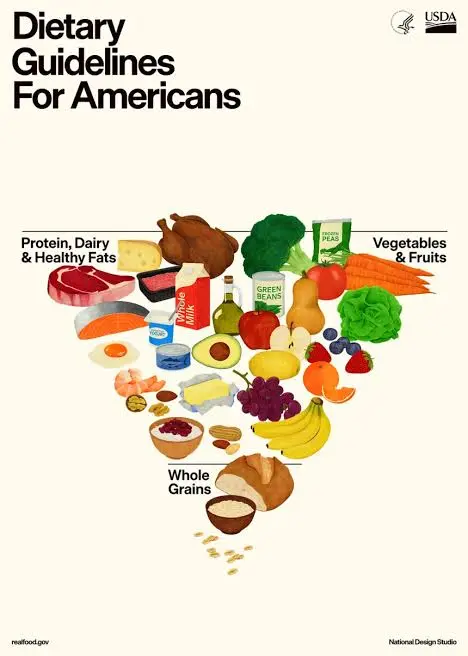
The Physicians Committee for Responsible Medicine has sued USDA and the Department of Health and Human Services (HHS) over how the agencies developed the 2025-2030 Dietary Guidelines for Americans, alleging they bypassed federal transparency requirements and relied on a panel with food-industry ties.
The complaint, filed in U.S. District Court for the District of Columbia, seeks declaratory and injunctive relief under the Administrative Procedure Act and Federal Advisory Committee Act (FACA). The Physicians Committee alleges the agencies used a “procedural bait and switch,” replacing recommendations developed through an established public process with work from what the lawsuit calls a “secret panel.”
“The government allowed the meat and dairy industries to ghostwrite the Dietary Guidelines,” Physicians Committee President Neal D. Barnard, MD, said in a statement. “They put money in industry’s pocket and cholesterol in Americans’ arteries.”
Lawsuit challenges review process
The Dietary Guidelines are issued every five years and influence federal food, nutrition and health programs. Federal law requires the guidelines to be based on the preponderance of current scientific and medical knowledge, the complaint said.
For the 2025-2030 Guidelines, USDA and HHS established a 20-member Dietary Guidelines Advisory Committee in 2023. According to court documents, the committee spent nearly two years reviewing the science through a public process that included seven open meetings. It released its final scientific report in December 2024 for additional public comment.
That committee recommended greater consumption of plant-based meals, placing beans and other plant proteins ahead of animal protein and making water rather than milk the preferred beverage, according to the Physicians Committee.
The lawsuit alleges USDA and HHS then assembled another nine-member group without public notice to reassess the advisory committee’s work. The complaint argues that the group functioned as a federal advisory committee and therefore should have been subject to FACA requirements governing public notice, meetings, records and participation.
Court documents allege the panel did not file a charter, provide notice of its meetings or give the public access to its meetings or records. The panel completed a 90-page report and 418-page appendix in three months, compared with about two years and eight months for the earlier public process.
The panel’s existence and report were disclosed Jan. 7, the same day the Dietary Guidelines were released. According to the complaint, the new panel and final guidelines rejected 30 of the advisory committee’s 56 recommendations.
Industry ties questioned
The lawsuit alleges that eight of the nine panel members had conflicts of interest involving livestock, dairy, egg and food interests.
Court documents identify financial or professional relationships involving organizations including the National Cattlemen’s Beef Association, National Dairy Council, National Pork Board, American Egg Board, Dairy Management Inc. and Atkins-related organizations and companies.
The complaint further alleges more than half of the panel members had relationships with organizations associated with USDA checkoff programs. FACA requires federal advisory committees to be “fairly balanced” in the viewpoints represented and not be inappropriately influenced by the appointing authority or a special interest.
The Physicians Committee argues those alleged conflicts influenced recommendations favoring meat and full-fat dairy and promoting low-carbohydrate diets for some people with chronic diseases. The group contends the changes could have broad consequences because federal agencies are required to promote the Dietary Guidelines when administering federal food, nutrition and health programs.
The Physicians Committee is asking the court to declare the nine-member panel subject to FACA, require USDA and HHS to release their records and meeting minutes, and require the agencies to withdraw the 2025-2030 Dietary Guidelines and develop replacement guidelines through a FACA-compliant public process. — Charles Wallace, WLJ contributing editor