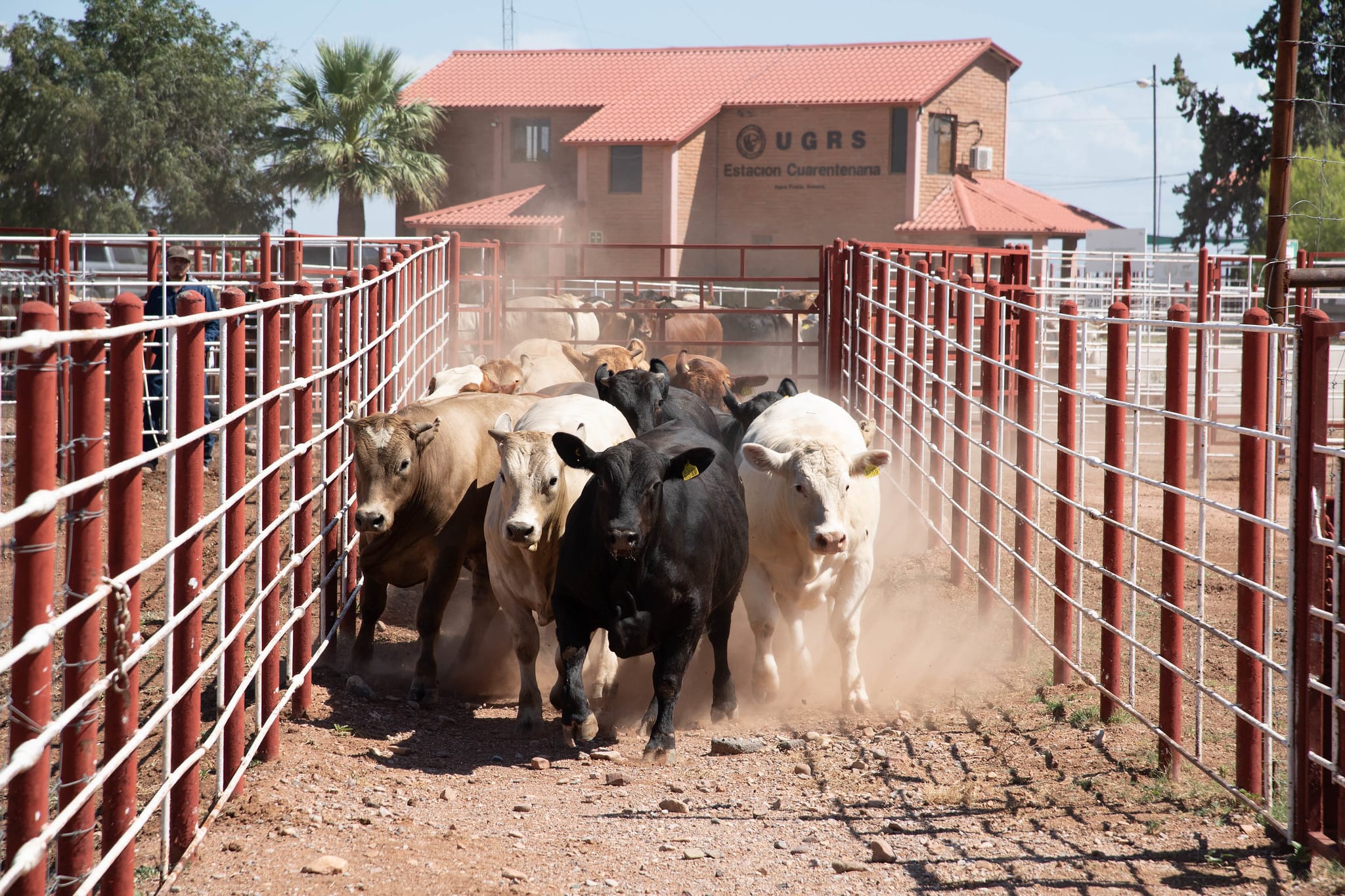
The U.S. reopened the border to Mexico live cattle imports Aug. 24 at the Douglas, AZ, port of entry. Since then, the department has outlined its plan on heightened protections against New World screwworm (NWS) while importing cattle.
USDA Acting U.S. Chief Veterinary Officer Alan Huddleston explained the protocol has three stages before cattle are authorized to be imported from Mexico.
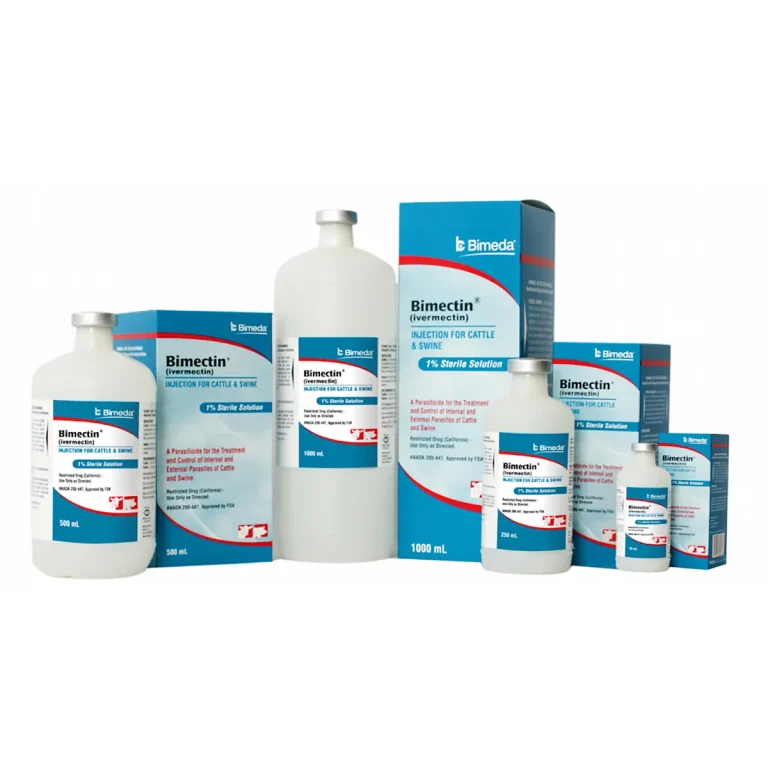
In the first stage, animals in Mexico are inspected by a veterinarian and treated with a tick treatment and a product that prevents and treats NWS infestations.
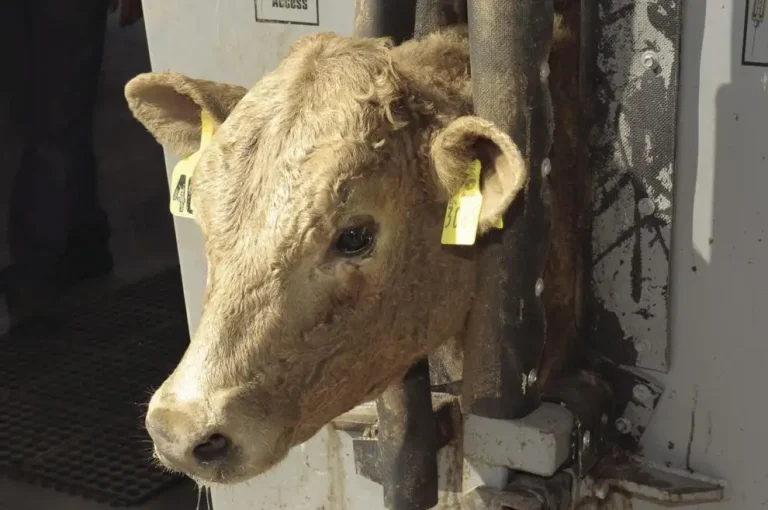
In the second stage, a veterinarian does a second inspection 24 hours before movement to ensure no signs of NWS.
Stage three involves cattle moved pre-import to USDA Animal and Plant Health Inspection Service (APHIS) facilities in Mexico, where cattle are inspected by APHIS technicians. Detector dogs are also used to scent any suspicious wounds or NWS larvae.
Finally, cattle swim through a vat of parasite treatment and are authorized to enter the port of Douglas. On Aug. 31, USDA announced the release of two NWS infested zones in Texas, which included Gillespie, Kerr, Kimble, La Salle and Webb counties. A day earlier, USDA announced the release of the only infested zone in New Mexico, Lea County.