The Center for Biological Diversity (CBD) has intensified its long-running campaign against livestock grazing on public lands in Arizona, launching three separate legal actions this spring aimed at restricting or halting cattle grazing in riparian areas that the group says harm endangered species and critical habitat.
Between April and June, the organization either filed lawsuits or issued notices of intent to sue federal agencies over grazing management in three regions: the Gila River system in southeastern Arizona, the Upper Verde River in central Arizona and the Las Cienegas National Conservation Area south of Tucson. In each case, CBD argued that federal agencies have failed to adequately protect endangered species under the Endangered Species Act (ESA) and have allowed cattle to damage sensitive streamside habitats.
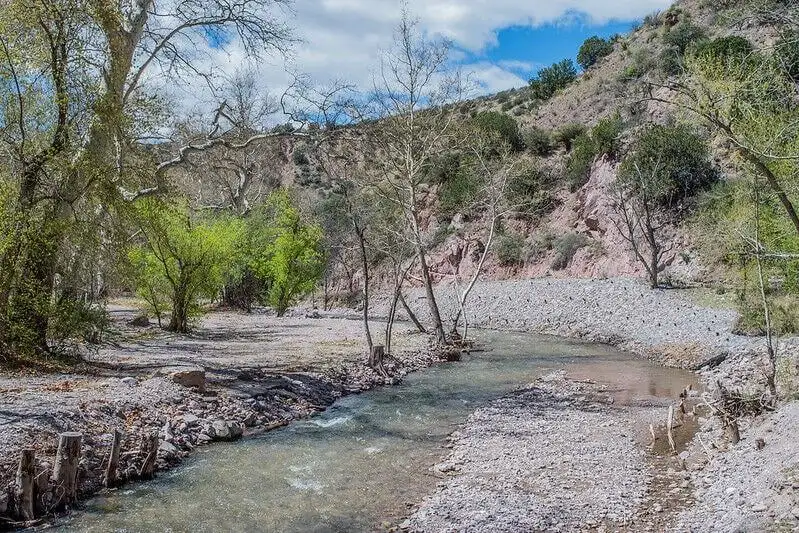
The organization contends cattle are repeatedly entering areas where grazing is prohibited, damaging riparian vegetation, trampling streambanks, degrading water quality and harming habitat for federally protected species. The group also argues the U.S. Fish and Wildlife Service (USFWS), Bureau of Land Management (BLM) and U.S. Forest Service (USFS) have failed to consult under the ESA properly or to reinitiate consultation despite new evidence of habitat impacts.
The latest filings continue a strategy the organization has pursued for years across Arizona, relying on field surveys, litigation and administrative challenges to pressure federal agencies to tighten grazing restrictions or remove livestock.
Gila River dispute
The first action came on April 23, when CBD issued a notice of intent to sue BLM and USFWS over grazing management in BLM’s Gila District, including the Gila Box Riparian National Conservation Area. According to the notice, the challenge focuses on roughly 70 miles of river designated as critical habitat for numerous endangered species.
CBD argues that six years of field surveys have documented chronic grazing damage throughout the district and claims livestock continue to impact habitat despite restrictions intended to protect sensitive areas. The notice names 11 protected species, including the yellow-billed cuckoo, southwestern willow flycatcher, spikedace, loach minnow, Gila chub, Gila topminnow and Chiricahua leopard frog.
The latest filing builds on a series of challenges CBD has brought against grazing in the area since 2021. The group argues federal agencies continue to rely on biological opinions that downplay the impacts of livestock grazing while failing to address what it says is ongoing unauthorized cattle use in sensitive habitat areas.
“Federal agencies have spent years pretending that cow-trashed streams aren’t a problem, leaving endangered species without a fighting chance at survival,” said Chris Bugbee, Southwest conservation advocate at CBD. “These animals and plants are barely hanging on. It’s time for the agencies that are supposed to protect them to finally do their job.”
Upper Verde River conflict
On April 29, CBD issued another notice of intent to sue, this time targeting grazing management along the Upper Verde River within Prescott National Forest.
The dispute involves six grazing allotments: China Dam, Horseshoe, Muldoon, Perkinsville, Sand Flat and West Bear/Del Rio. The organization alleges that grazing restrictions designed to exclude cattle from riparian habitat are not working and that federal agencies continue relying on biological opinions based on assumptions that livestock are effectively excluded from sensitive areas.
According to CBD, surveys conducted over several years have documented livestock damage in habitat designated for species including the western yellow-billed cuckoo, northern Mexican garter snake, spikedace and loach minnow. The organization says approximately 40% of nearly 34 stream miles surveyed in 2026 showed moderate or significant cattle-related damage despite being closed to grazing.
The filing also references a previous lawsuit filed in 2020 after the organization released a report documenting livestock impacts in the area. That litigation resulted in an agreement requiring monitoring and the removal of cattle from closed areas. CBD now contends conditions have worsened since that agreement expired in 2024.
The organization is seeking renewed consultation under the ESA and wants grazing authorizations suspended while new reviews are completed.
Las Cienegas lawsuit
The most recent legal action came on June 8, when CBD and the Maricopa Bird Alliance filed suit in federal court over grazing management within the Las Cienegas National Conservation Area in southern Arizona.
Congress established the conservation area in 2000 to protect riparian ecosystems and biodiversity while allowing grazing in appropriate locations. The area contains several rare habitat types, including cienegas, cottonwood-willow riparian forests, sacaton grasslands and mesquite bosques.
According to the complaint, CBD has repeatedly documented cattle within nearly 4,000 acres of riparian habitat that the BLM designated as off-limits to grazing in its 2003 management plan. The lawsuit argues BLM failed to reinitiate consultation under the ESA despite new information showing continued habitat degradation.
The complaint also challenges the BLM’s 2025 reissuance of grazing permits on the Empire-Cienega Allotment and alleges the agency has failed, for more than two decades, to complete fencing and grazing-management requirements called for in its own resource management plan.
Environmental organizations are asking the federal court to declare that the BLM and USFWS violated the ESA by failing to reinitiate consultation on the impacts of livestock grazing and by continuing to authorize grazing activities that allegedly harm protected species and their critical habitat.
They are seeking an injunction requiring the agencies to conduct new consultations, review the impacts of ongoing grazing, and implement additional protections for listed species while that process is completed. — Charles Wallace, WLJ contributing editor