The 2026 Livestock Tour presented by Western Livestock Journal captured the “legendary” landscapes of North Dakota. The week-long adventure, May 30 through June 6, was planned and managed by Samantha and Devin Murnin and visited 13 ranches with 115 attendees from 17 different states.
Night 1
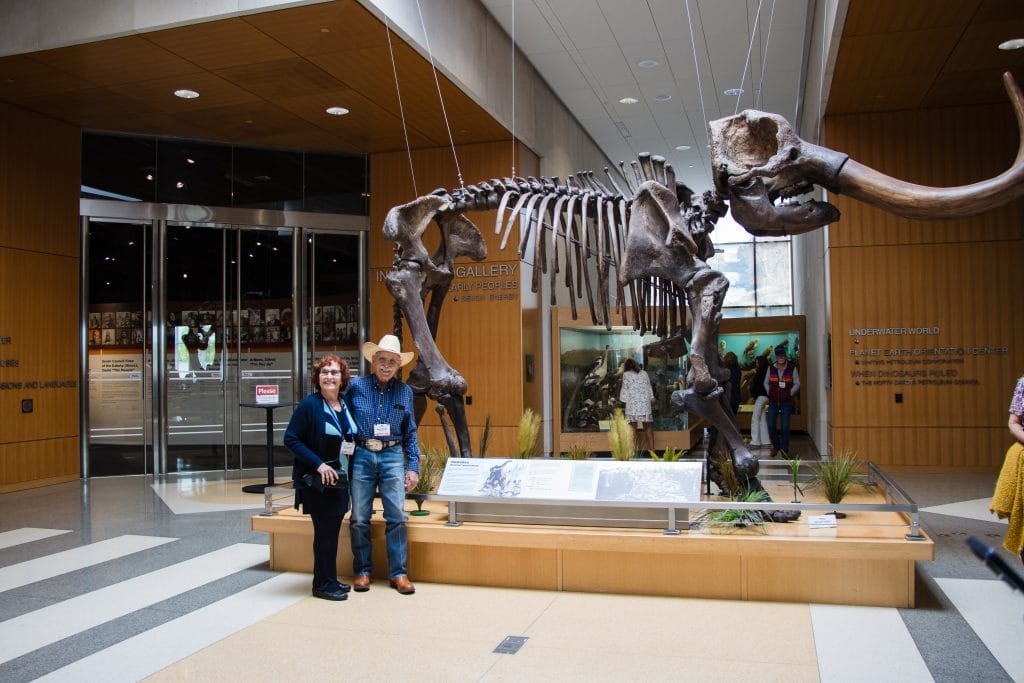
To kick off the tour, an opening dinner was served at the North Dakota Heritage Center and State Museum in Bismarck, ND. Prior to dinner, attendees were able to enjoy the exhibits offered in the museum.
The dinner gave everyone a chance to catch up with all their tour friends and hear about the week ahead. Julie Ellingson, vice president of North Dakota Stockmen’s Association, gave a presentation on the history of agriculture in North Dakota and some historical details about places that tour members would see on the trip.
The attendees also heard from the sponsor of the 2026 Livestock Tour, 701x Autonomous Rancher, a company that creates cattle tags with GPS tracking that also give insight into the cattle’s health and breeding. They provided all of the luggage tags for the attendees.
After dinner, everybody was ready to kick off the tour!
Day 1
The buses departed for Schaff Angus Valley Ranch the following morning.
The ranch has been in the registered Angus business since 1942 and is one of the oldest ongoing Angus herds in North America. Kelly Schaff, ranch owner, spoke to tour attendees about the operation’s history, philosophy and cattle. He discussed how they heavily focus on the genetics in their herd and how they made their genetics more reliable.
They use an extensive embryo transfer (ET) program and market bulls and females through their annual sale every January.
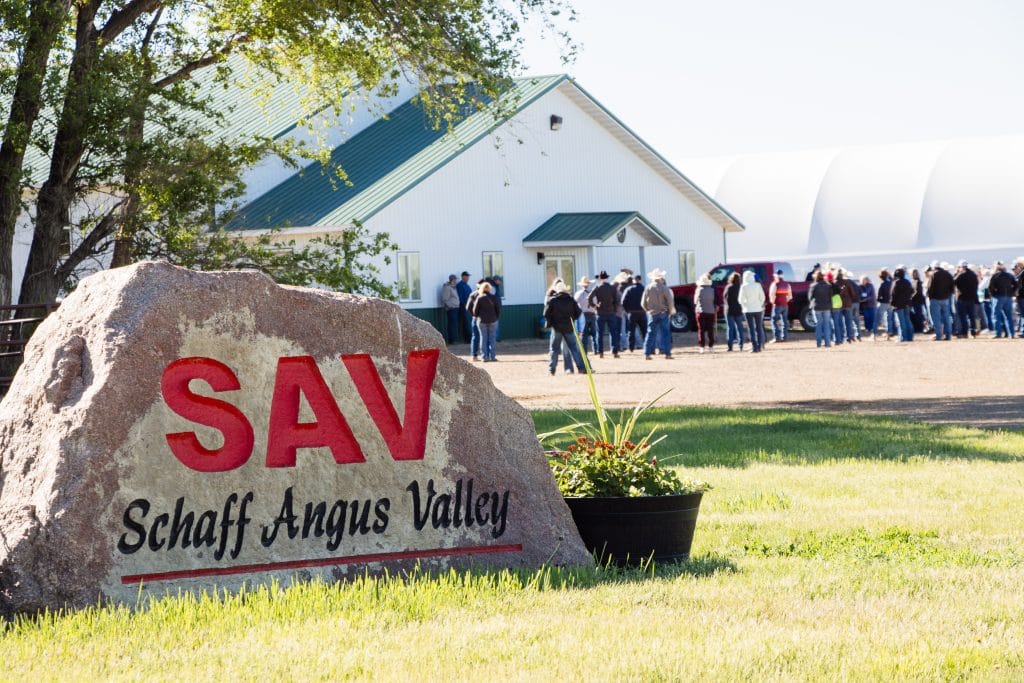
The tour attendees were able to see some of the ranch’s AI-bred heifers, several donor females and the recip herd, and their popular calving-ease bull, SAV Courage 3003. Fun fact, Schaff Angus Valley is the second most visited place in all of North Dakota.
The next stop was Froelich Ranch, a cattle and horse operation. On the cattle side, the tour attendees learned about the SimAngus commercial cow/calf herd and how they use native pasture and hay ground to feed, while also running some farm ground.
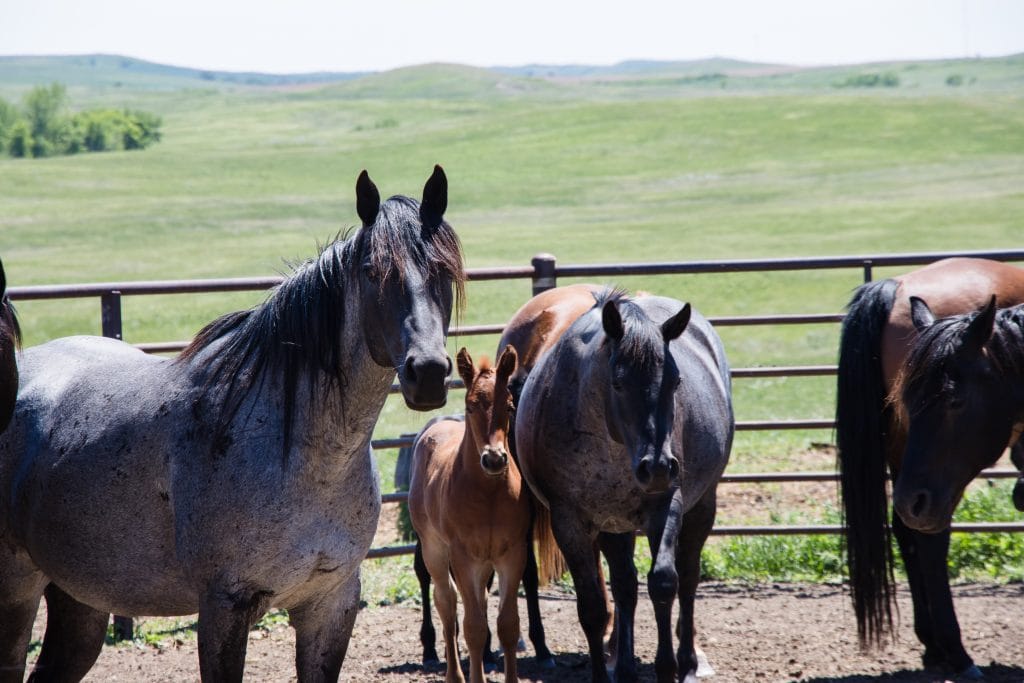
The ranch also has a Quarter Horse program that works to provide their customers with horses that are raised to work on ranches. Attendees were able to see the ranch’s beautiful blue roan stallion and cavvy of mares. Froelich Ranch will hold their 56th annual horse production sale this fall.
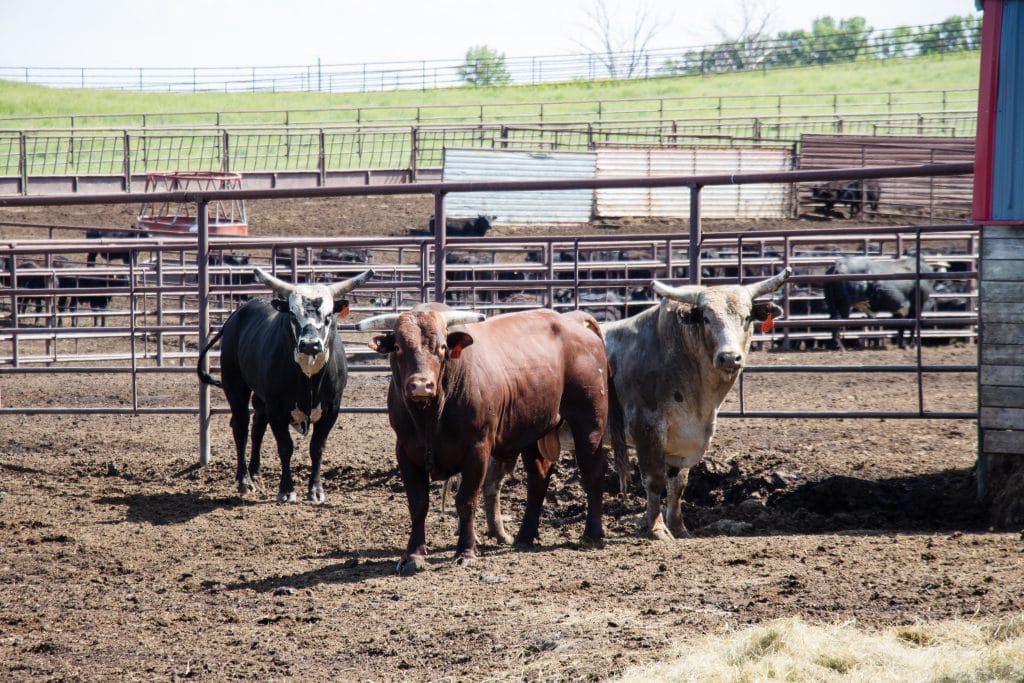
The tour rounded out the day at Chad Berger Bucking Bulls, where attendees learned about the rodeo stock and viewed some of their bulls.
The family explained their backstory of how they entered the business and told some fun stories about transporting bulls to places like Hawaii. They also talked about the rodeo season and how often they transport bulls—nearly every weekend.
This ranch has produced some successful bulls like Little Yellow Jacket and Smooth Operator. Chad Berger Bucking Bulls has also won 12 PBR Stock Contractor of the Year titles.
Day 2
The next day took the tour to the eastern part of North Dakota to visit Topp Herefords.
Located in the prairie pothole region of the state, the ranch was established in 1945 by Ryan Topp’s grandfather. This operation focuses on their commercial customers. Topp discussed how their customers utilize their bulls, with many customers purchasing bulls to produce black baldy cattle.
The Topps also provide their bull customers a buyback program for their replacement heifers and contracts on their feeder cattle. The attendees saw some of their cow herd and yearling bulls.

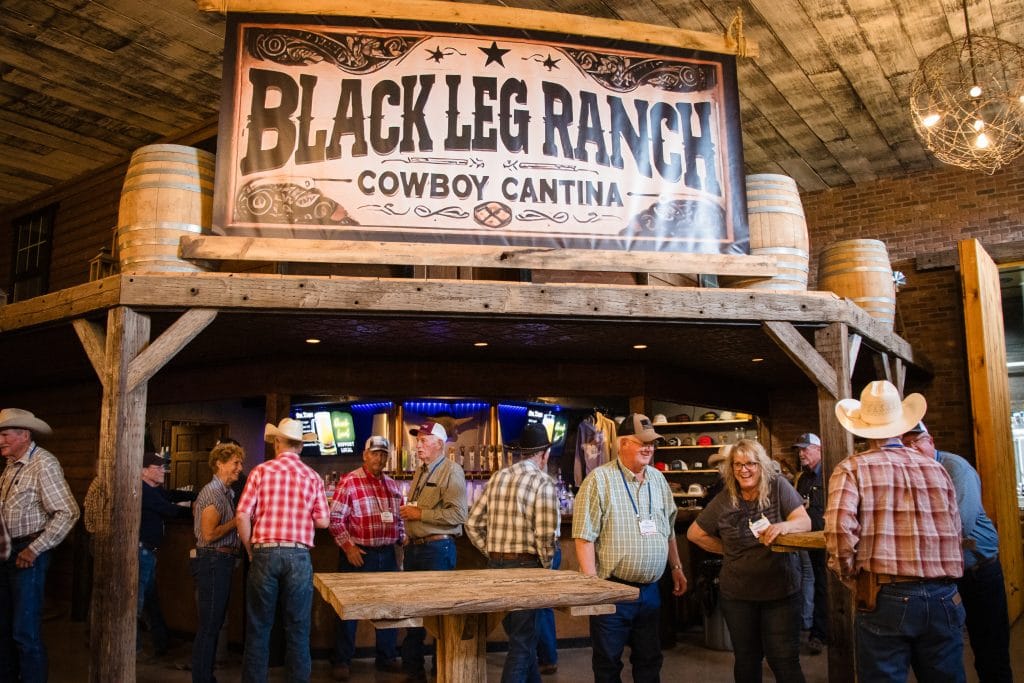
The second and last stop of the day was Black Leg Ranch, run by the Doan family.
They focus on holistic management of the grasslands and farmland to benefit the ground for years to come. The Doans run cattle and a small buffalo herd, as well as manage a wedding venue, a hunting/outfitting operation and a brewery.
The attendees were able to sample multiple brews that were made at the brewery.
This ranch does it all!
Day 3
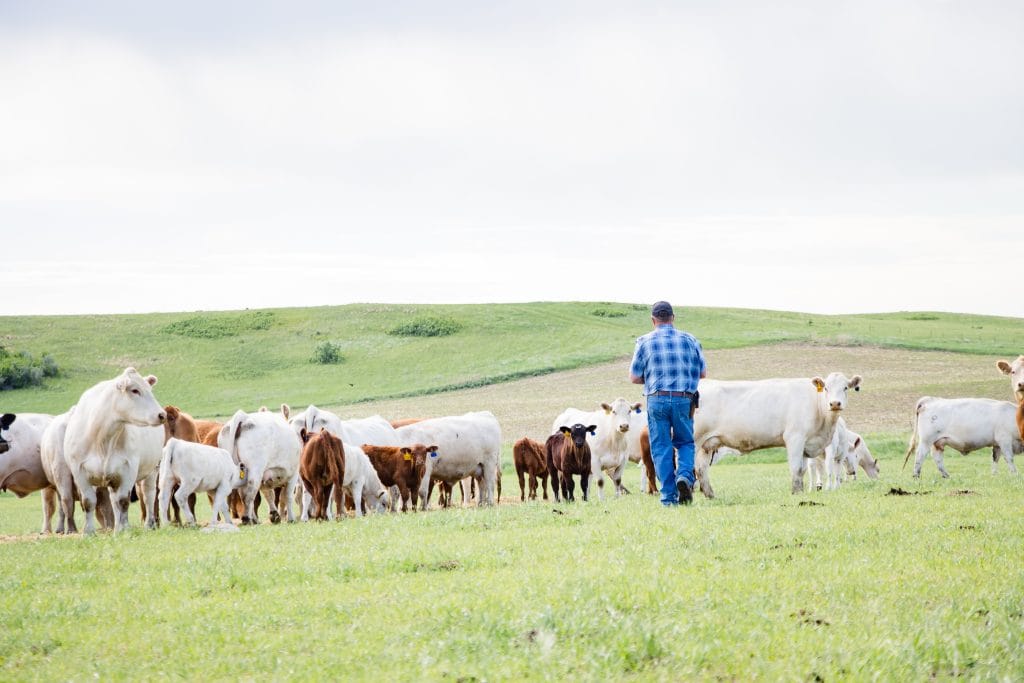
Doll Charolais and Simmental welcomed the tour on Day 3.
They started their Charolais operation in 1958, and in 1969, they added Simmental cattle.
The group heard about their operation and were able to see their feeder calves and cow herd. This family also farms to produce feed for their cattle, so the attendees were able to hear about the farming side.
A fun story was shared about a tall grain elevator at the ranch that their grandpa bought for $1 and put wheels on the bottom to move it to their place from town. While not currently in use, it made for a fun conversation piece.
The rest of the day was spent in the historical town of Medora.
Attendees were able to enjoy the North Dakota Cowboy Hall of Fame, where they also had lunch. They also had the afternoon to explore Medora and browse the little shops.
That evening, the group went to a pitchfork fondue dinner where they grilled steaks on pitchforks. Then it was off to see the Medora Musical, which was about America’s 250th anniversary this summer. This was a favorite for many attendees.

Day 4
Day 4 began at Brooks Chalky Butte Ranch, where the group heard from Steve Brooks, who served eight years on the Certified Angus Beef board.
His family runs 600 registered cows and 180 replacement heifers at their place, and also raises wheat, barley, field peas, oats, corn, safflower and flax.
The attendees were able to view the ranch’s heifers that had just been AI’d.
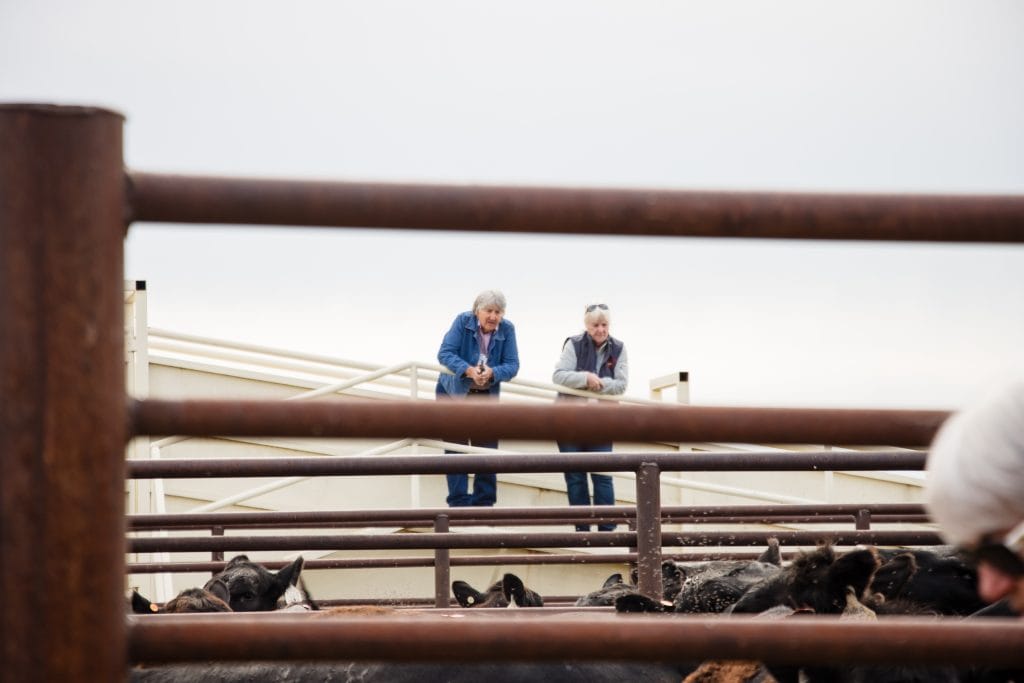
The tour then visited Stuber Ranch, which raises Herefords.
The family talked about their genetics and how fertility is of the utmost importance.
They also discussed their annual sale and how they have opted to sell their bulls on video displayed in the sale ring instead of running each animal through the ring. The group saw some of their cattle in the corrals and then headed to lunch.

The last stop of the day was Dakota Prairie Beef, which is where the Topps feed their cattle.
They took the group around the feedlot and showed them some of the Topps’ baldy heifers.

Day 5
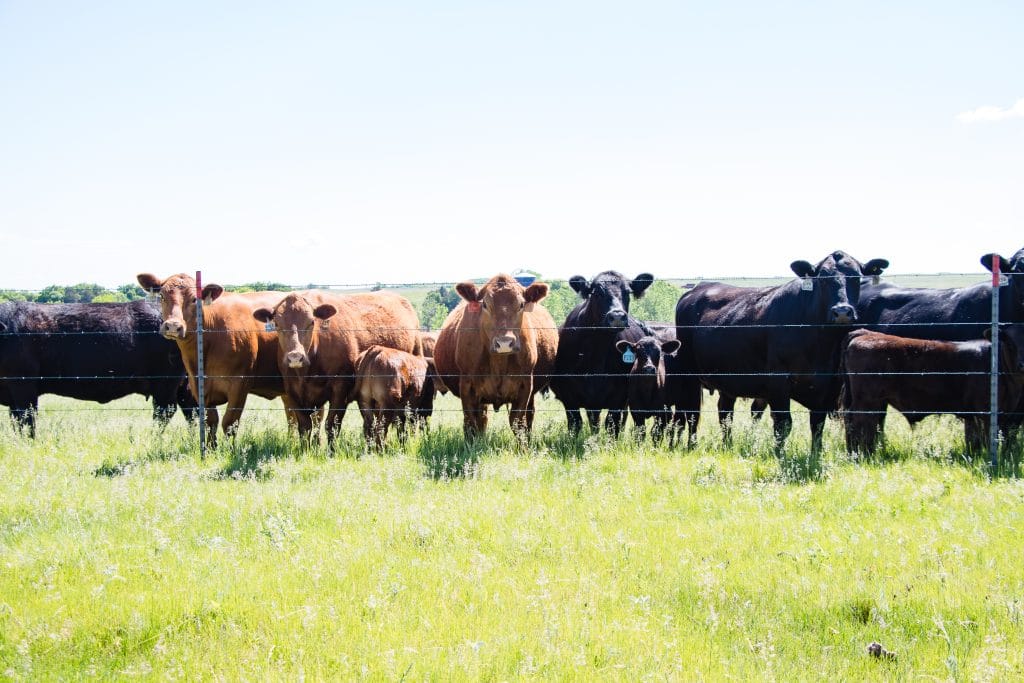
Keller Broken Heart Ranch was the first stop on Day 5.
The Keller family runs a Simmental operation, and remarked on both the terminal and maternal advantages of the breed.
They discussed their tough winters and how they grow their own feed because of the high demand during that season. The group enjoyed exploring their place and saw feeder calves, bulls and the cow/calf herd. The ranch offered great cattle and beautiful views.
The attendees ended the day at Ellingson Angus.
The entire family greeted the tour group when they arrived.
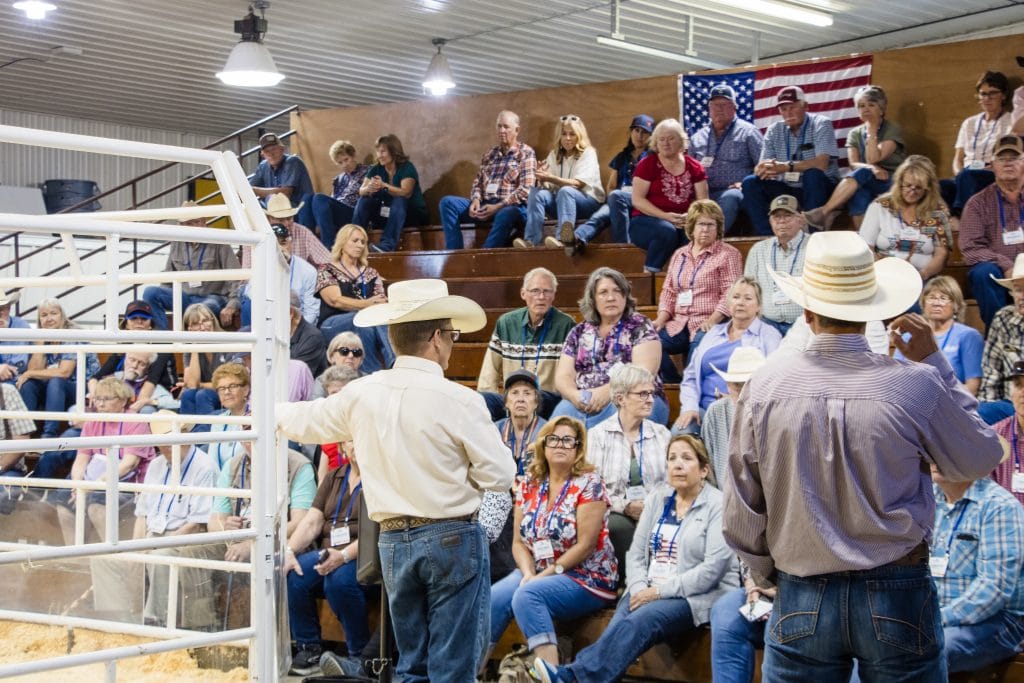
Chad Ellingson spoke to the group about the importance of their AI and ET program and the marketing of their semen. He also discussed how they manage their cattle and how important it is to have balanced-trait cattle. They have a bull and female sale every year, and also help market Ellingson-sired feeder calves.
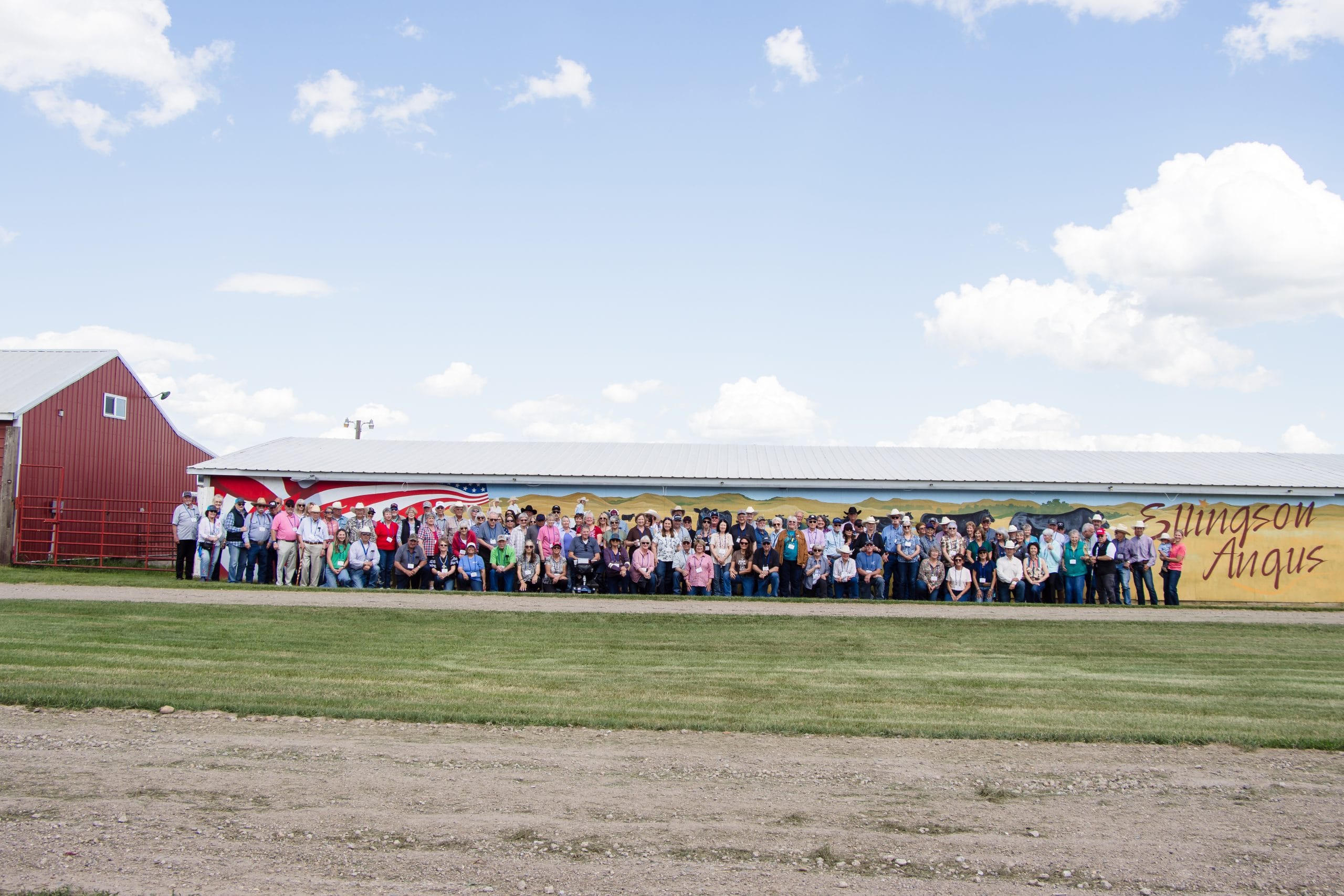
The group enjoyed seeing a handful of their donor cows and took a big group picture in front of their beautiful mural.
Day 6
CD Acres & Dewitz Feedlot kicked off the last day.
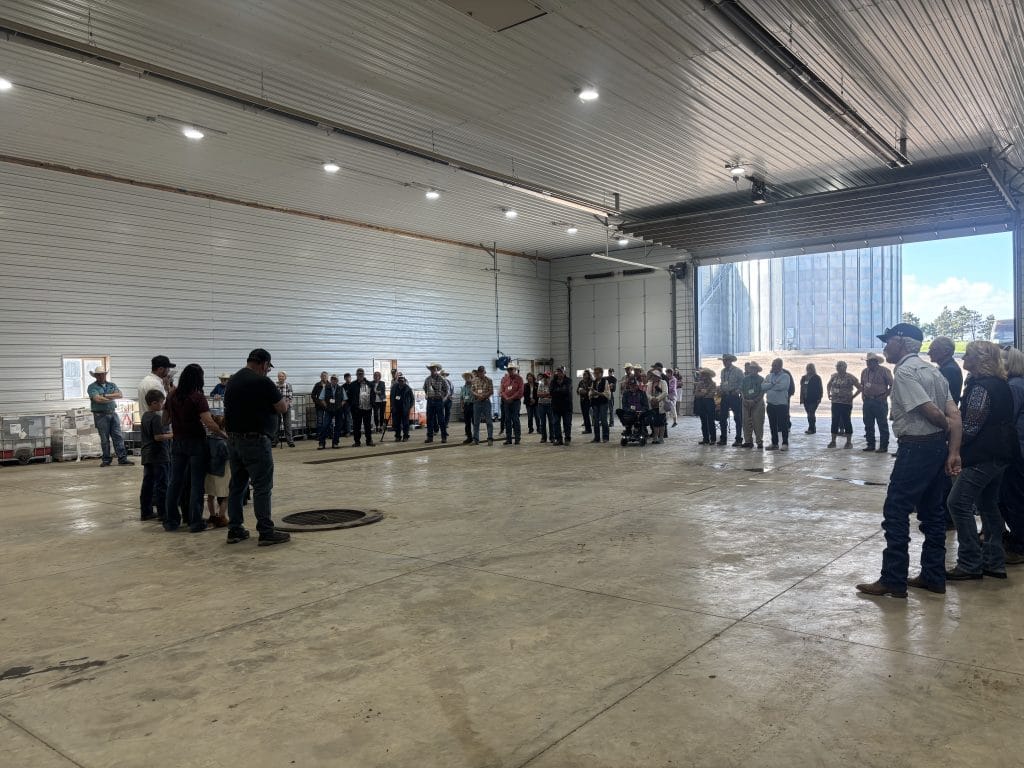
This was a different operation than what the group had seen. This family farms, owns a chemical business and has a cattle herd and feedlot. The attendees were able to see every step of this operation, beginning at the chemical business and working their way to the feedlot.
The tour group learned about the operation’s genetic framework and how herd health is the most important factor. Attendees enjoyed seeing their farm setup and equipment.
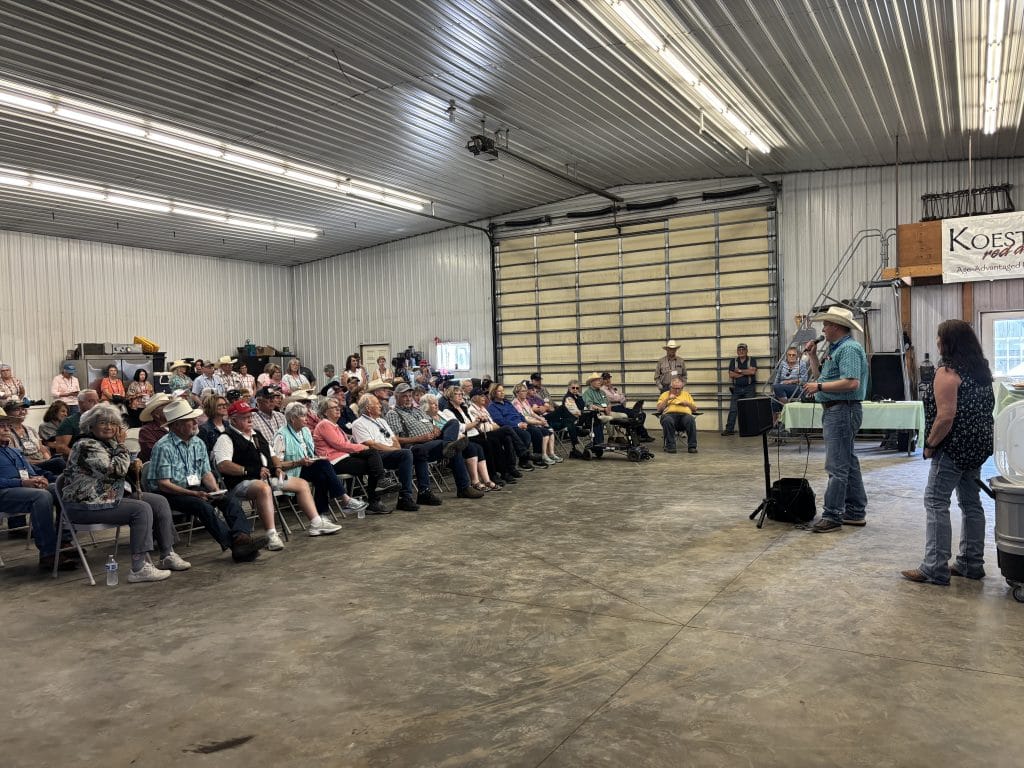
The finale for the 2026 Livestock Tour was at Koester Red Angus, where the group heard from Steve and Tracey Koester.
They talked about how their heifers are DNA tested, which gives their customers more confidence in their product. The attendees also heard more about 701x tags, which the Koesters use for their cattle.
The tour rounded out at the Koesters’ neighbor’s place, where the group toured his beautiful garden and impressive hunting memorabilia collection.
The “legendary” 2026 Livestock tour in North Dakota was a beautiful week filled with good-looking cattle and kind, welcoming people. This will certainly be a tour that all attendees remember.
Interested in joining the next Livestock Tour? These tours are perfect for people wanting to explore different operations, learn new things and visit different areas of the country. Keep an eye out to see where the Livestock Tour will be going next! — Charley Maranville, WLJ correspondent