
Nearly 60 years after New World screwworm (NWS, Cochliomyia hominivorax) was declared eradicated from the U.S., the parasite has once again reached U.S. soil. Although today’s outbreak differs from the challenges livestock producers faced decades ago, many of the same principles that eliminated the pest during the last century remain the foundation of the current response.
For many younger producers, NWS has existed only in textbooks or conversations with older generations. Before eradication, however, it was considered one of the livestock industry’s most destructive pests. In 2017, USDA estimated annual livestock losses in the U.S. exceeded $200 million as producers routinely battled infestations in cattle, sheep, goats, horses, swine and wildlife.
Fresh wounds from branding, castration, dehorning, ear tagging, calving and other routine management practices created opportunities for female flies to lay eggs, making screwworm an almost unavoidable part of livestock production across much of the southern U.S.
The search for a permanent solution began in the 1930s when USDA researchers Dr. Edward F. Knipling and Dr. Raymond C. Bushland proposed an idea many believed was impossible: eradicate an insect by releasing more insects. Their sterile insect technique was first proven successful during field trials on the island of Curaçao before expanding into eradication efforts in the U.S.
Dr. Bridget Baker, veterinarian and faculty at the University of Florida, where she teaches a course on Diseases of Wildlife, said the strategy worked because of one unique characteristic of the NWS fly.
“The sterile insect technique works because of a certain feature of the fly’s life cycle,” Baker told WLJ. “Adult flies live about 10 to 30 days, but the females only mate once during that time. This allows released sterile male flies to interrupt reproduction across populations.”

Florida became the first state declared free of NWS in 1959. The success of that program led to expansion throughout the Southeast and Southwest, culminating in nationwide eradication in 1966. Although isolated outbreaks occurred into the early 1980s, rapid surveillance and response prevented the parasite from becoming reestablished.
The USDA recognized that eliminating NWS from the U.S. would only provide temporary relief if the parasite remained established farther south. Eradication efforts continued through Mexico and Central America before shifting to long-term containment at the Darién Gap between Panama and Colombia.
The effort, often referred to as the “Great American Worm Wall,” relies on continuous sterile fly releases to prevent the parasite from naturally migrating north. Baker said approximately 100 million sterile flies have historically been released each week through the joint U.S.-Panama program to maintain that barrier.
2016 Florida outbreak
In July 2016, NWS was detected in endangered Key deer in the Florida Keys, marking the first confirmed U.S. outbreak in decades.
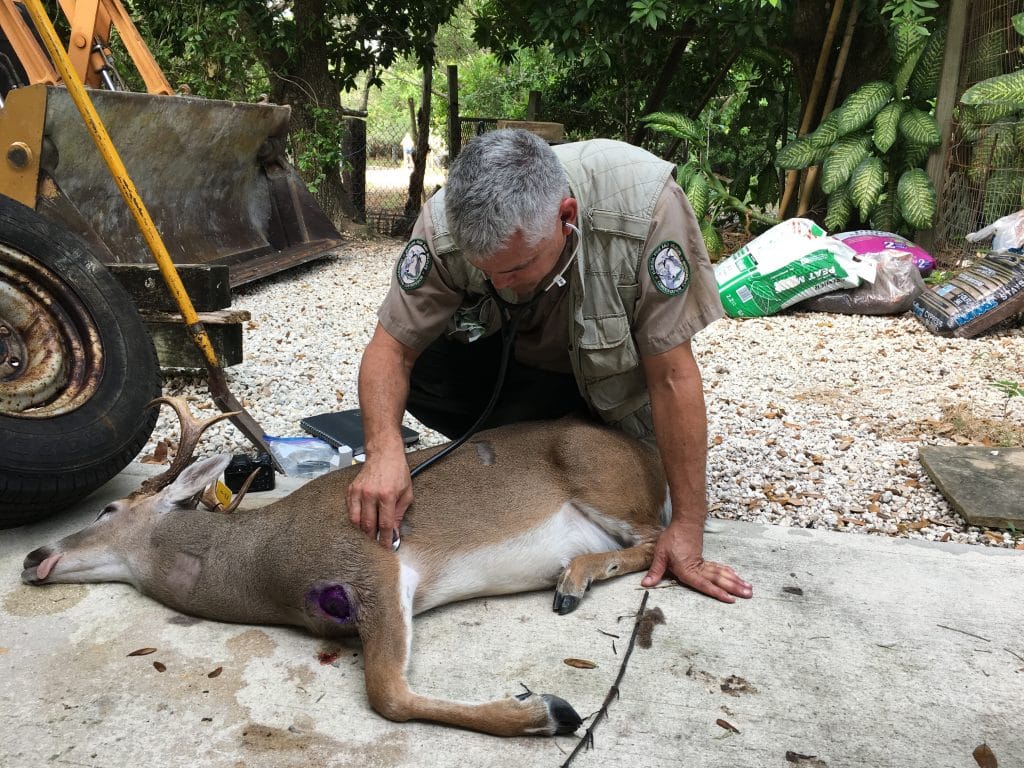
“It was first detected in Key deer, and it happened during their rut,” Baker said. “That’s when males are fighting and creating wounds. These flies take advantage of living flesh. If there’s a fresh wound, that’s where females lay their eggs.”
More than 130 endangered Key deer were affected, but a coordinated response involving the Florida Department of Agriculture and Consumer Services, USDA, the Florida Fish and Wildlife Conservation Commission, the U.S. Fish and Wildlife Service and local officials kept the outbreak confined to the Florida Keys. Surveillance, treatment and renewed sterile fly releases began immediately after confirmation, and by March 2017, Florida was again declared free of NWS.
Today’s outbreak
The current NWS outbreak has followed a different path. Rather than appearing unexpectedly, NWS steadily advanced north through Central America and Mexico, allowing USDA and animal health officials to prepare before the parasite reached the U.S. That preparation has included expanding sterile fly production, increasing surveillance and coordinating response efforts across multiple agencies.
Baker believes that preparation provides reason for optimism: “The silver lining is that we’ve eradicated screwworm in the U.S. before, and we have the capability of eradicating it again,” she said. “It’s just a matter of getting enough sterile flies created and released.”
USDA’s current strategy calls for expanding sterile fly production to approximately 500 million flies per week to support eradication efforts in affected areas.
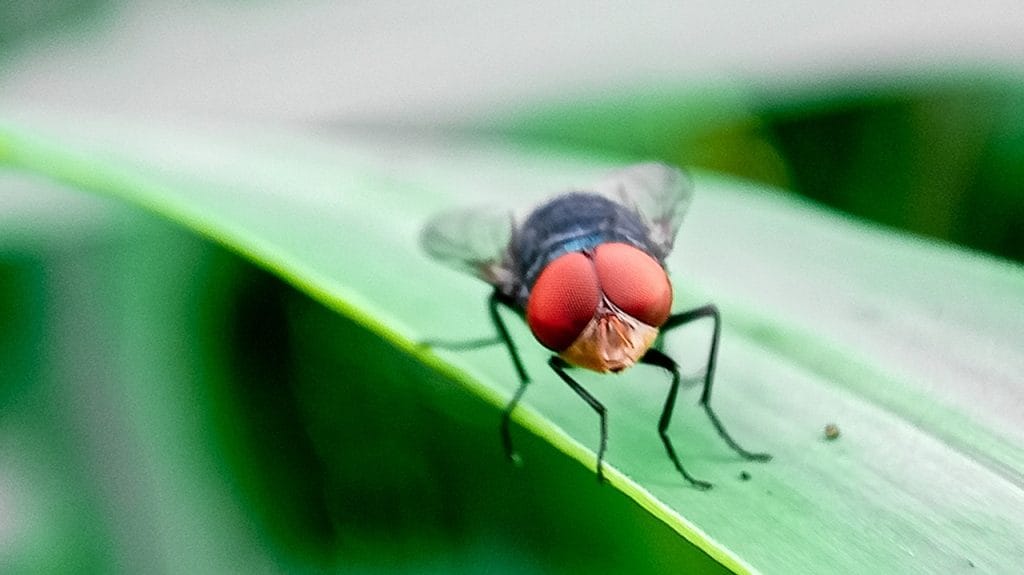
While sterile fly releases remain the cornerstone of eradication, Dr. Jacques Fuselier, technical services veterinarian with Merck Animal Health, said producers remain one of the most important components of the response.
Because female screwworm flies seek out fresh wounds, Fuselier encourages producers to routinely inspect newborn calves, branding wounds, castration sites, dehorning wounds, ear-tagging sites and any recent injuries. Newly purchased livestock should also be carefully examined before entering the herd.
One of the challenges with NWS, he explained, is that the damage beneath the skin is often much more extensive than what initially appears on the surface.
“The wound on the surface may look small, but once you get deeper into the tissues, it can be much larger,” he told WLJ.
He also stressed the importance of prompt treatment and close communication with a veterinarian. Baker agreed that early reporting remains one of the most important components of eradication. “There are no sterile fly releases without reporting,” she said.
Fuselier echoed that message, encouraging producers not to hesitate to report suspected cases or involve their veterinarian early. Surveillance, rapid treatment and timely reporting not only improve outcomes for affected animals but also help direct eradication efforts before additional generations of flies emerge.
History has already demonstrated that NWS can be eradicated from the U.S. The challenge facing the livestock industry today is not discovering a new solution but applying the same principles that proved successful decades ago: early detection, rapid reporting, coordinated surveillance, international cooperation and the continued use of sterile insect technology.
“The cost of doing nothing is high,” Baker said. “But there are lots of things we can do to minimize that impact and eradicate this disease again.”
WLJ: What is the biggest misconception producers have about NWS?
Baker: I think one of the biggest misconceptions is that there has to be a major wound for NWS to become a problem. It doesn’t. Females can lay eggs in very small wounds, even something the size of a tick bite. They can also use natural body openings or mucous membranes, like the prepuce of a horse, so it doesn’t necessarily take a large injury.
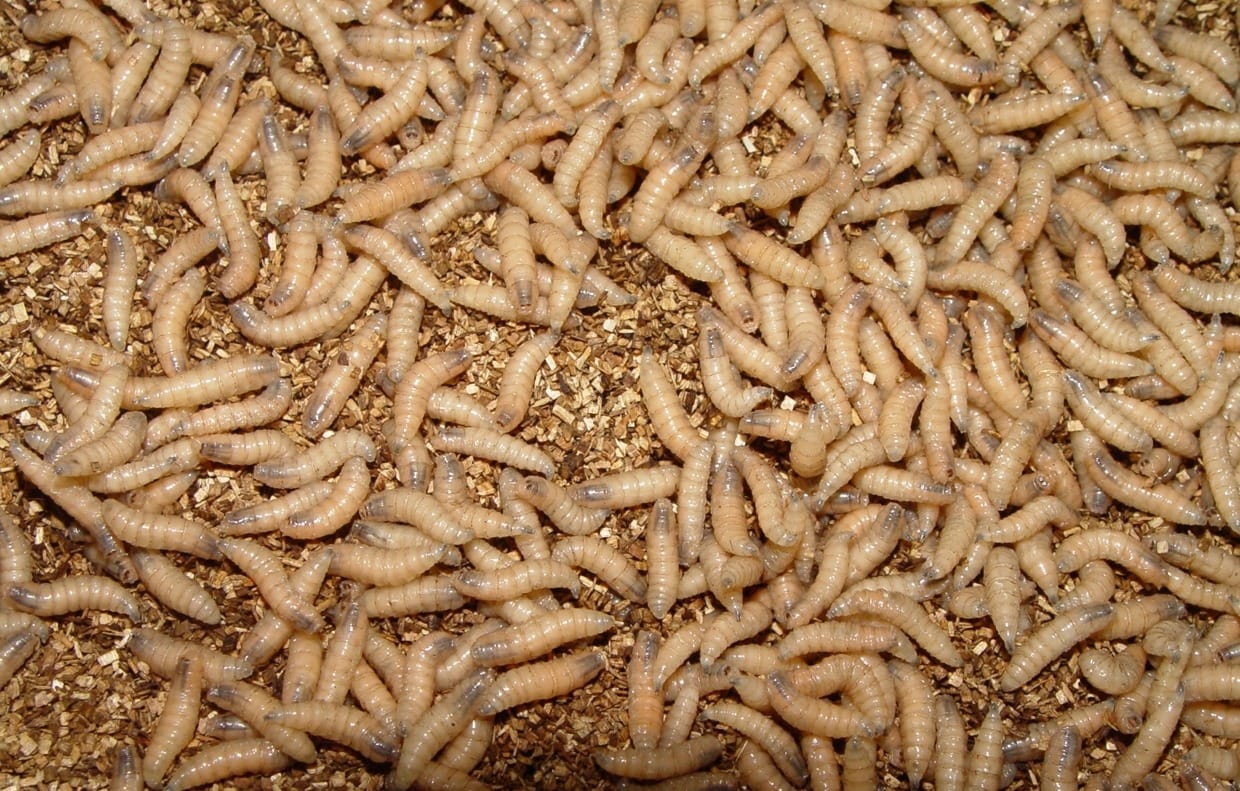
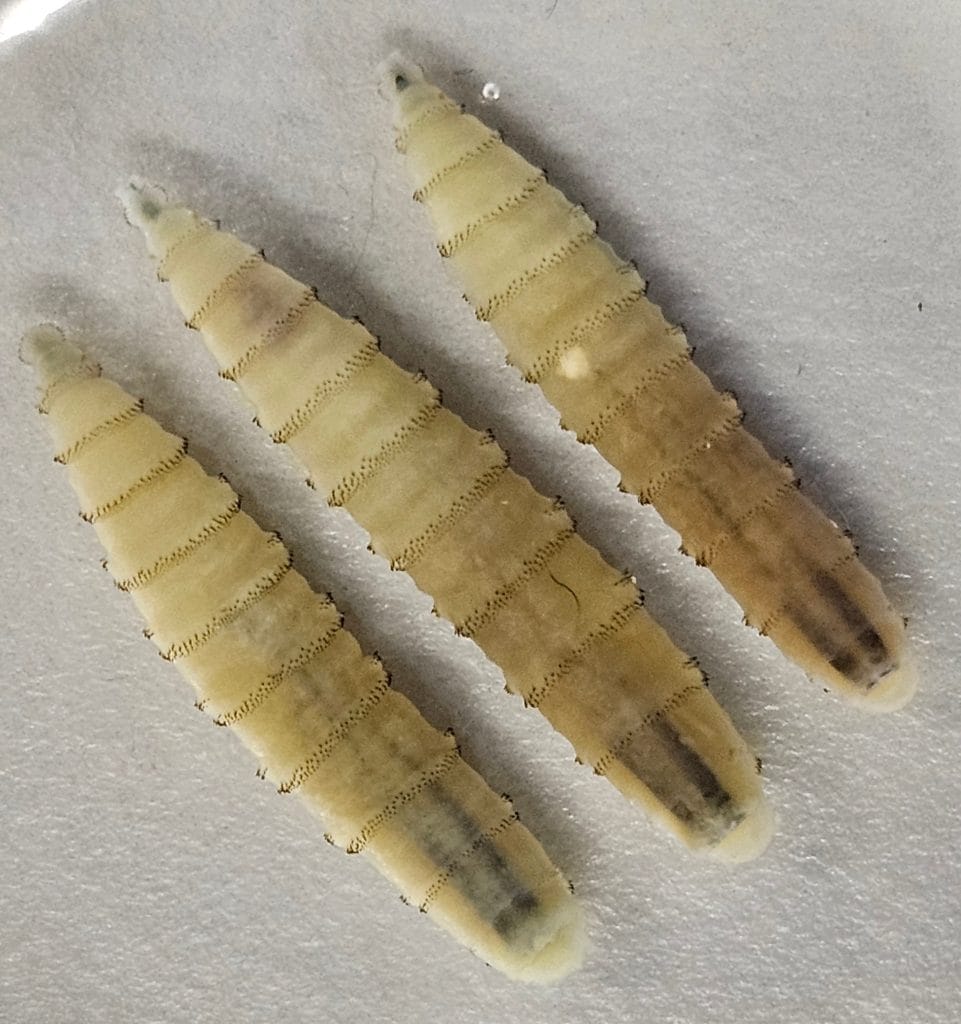
The other misconception is how quickly an infestation can develop. Eggs typically hatch within about 24 hours, and depending on temperature and humidity, that can happen even faster. The larvae complete their feeding stages in about five to seven days, so a wound can go from looking relatively minor to becoming a severe infestation very quickly. If you suspect NWS, don’t wait until the next day to call your veterinarian.
WLJ: Why was the 2016 Florida outbreak able to stay confined to the Keys?
Baker: It really came down to rapid coordination. As soon as NWS was confirmed, it was treated as an emergency. Multiple state and federal agencies immediately began surveillance, treatment of affected animals and sterile fly releases. Because the outbreak was detected early and remained geographically isolated, those efforts were able to keep it confined to the Florida Keys and ultimately eradicate it by March 2017.
WLJ: Can NWS be eradicated again?
Baker: I believe it can. We’ve done it before, so we know the science works. The challenge is producing enough sterile flies and continuing strong surveillance and reporting. It will also require cooperation among multiple countries because this isn’t just a U.S. issue. The more quickly cases are detected and reported, the more effective eradication efforts become.
WLJ: What should producers do if they suspect a case of NWS?
Fuselier: Producers should pay close attention to any wound, even if it appears minor. Newborn calves are a major concern because the umbilicus can attract flies. Branding sites, castration wounds, dehorning wounds, ear-tagging sites and other fresh injuries also need to be monitored closely.
Animals brought onto an operation should be inspected carefully before they are introduced to the herd. If there is drainage, an unusual odor, visible larvae, pain or a wound that seems worse than it should, producers should contact their veterinarian.
Small wounds can look fine but be much worse underneath. Producers should not wait to see whether a suspicious wound improves on its own. Early treatment, reporting and communication with a veterinarian are what help protect both the affected animal and neighboring operations. — Hannah Jackson, WLJ copy editor