
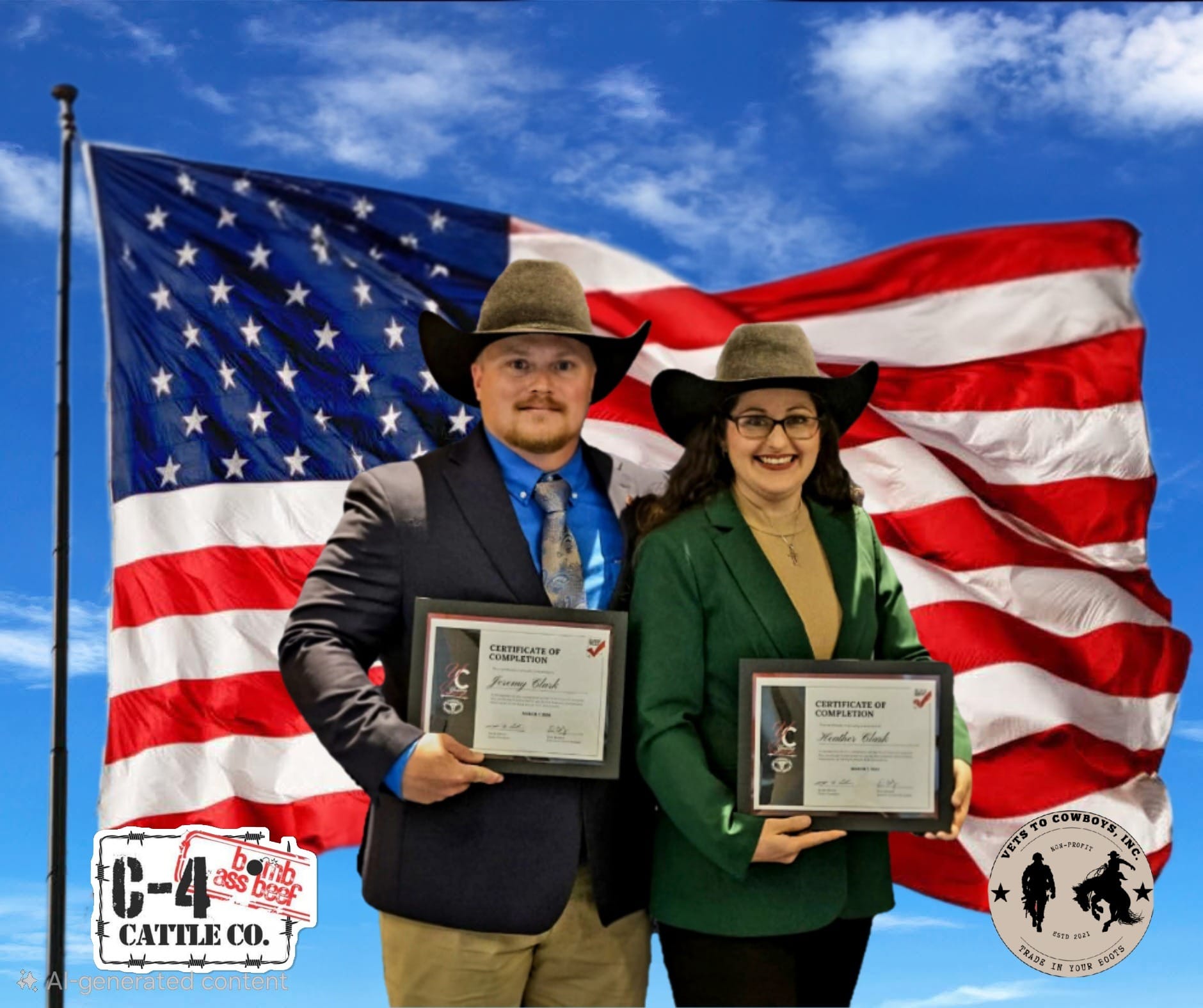
Jeremy Clark didn’t grow up on a ranch. He didn’t inherit land, cattle or a family legacy tied to agriculture. What he did inherit was something less visible: a sense of service.
Raised in south Alabama by a single mother, Clark remembers always being drawn to livestock, even if they remained just out of reach. He saw cattle in neighboring pastures and horses behind fences, but owning animals of his own wasn’t an option. That changed the day he turned 18.
Clark enlisted in the U.S. Army on his birthday and eventually earned a place in the 75th Ranger Regiment. Over nearly six years of active duty, he deployed four times, operating in some of the most demanding environments imaginable. He later continued his service in the National Guard before a series of injuries led to a medical retirement just shy of 18 years.
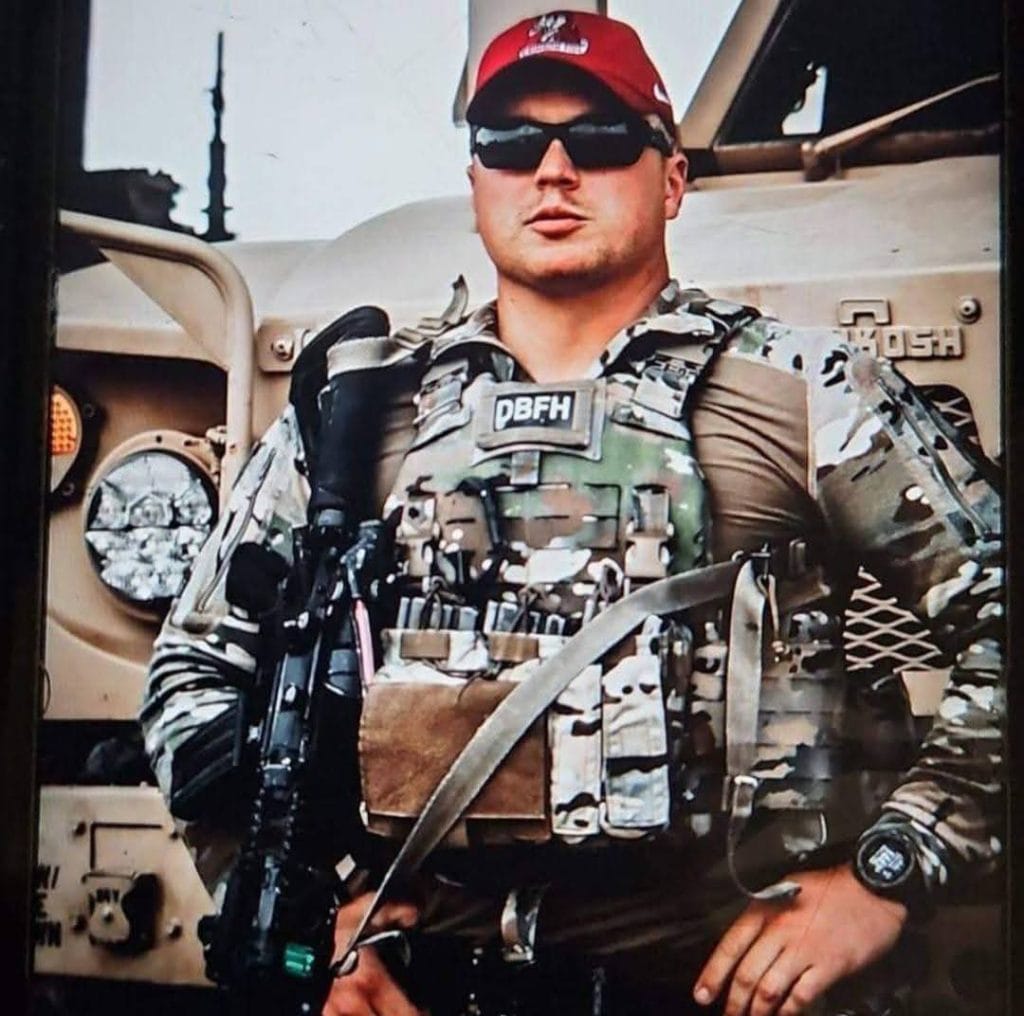

By then, the toll of that work had caught up with him.
“I was kind of broken, beat up,” Jeremy told WLJ.
A reset on life
While deployed to Syria, Clark and his wife, Heather, began discussing what life would be like when he came home. Their youngest son was dealing with serious health issues and could not tolerate store-bought meat.
“When I get home … we’ll get some land, and we will finally be able to get some cows,” Clark recalled from their conversations.
When he returned in late 2021, the family followed through with their aspirations. They sold their house and vehicles and moved into a camper. Their first four cows were then bought before the fences were even finished, and the operation began on just 15 acres.
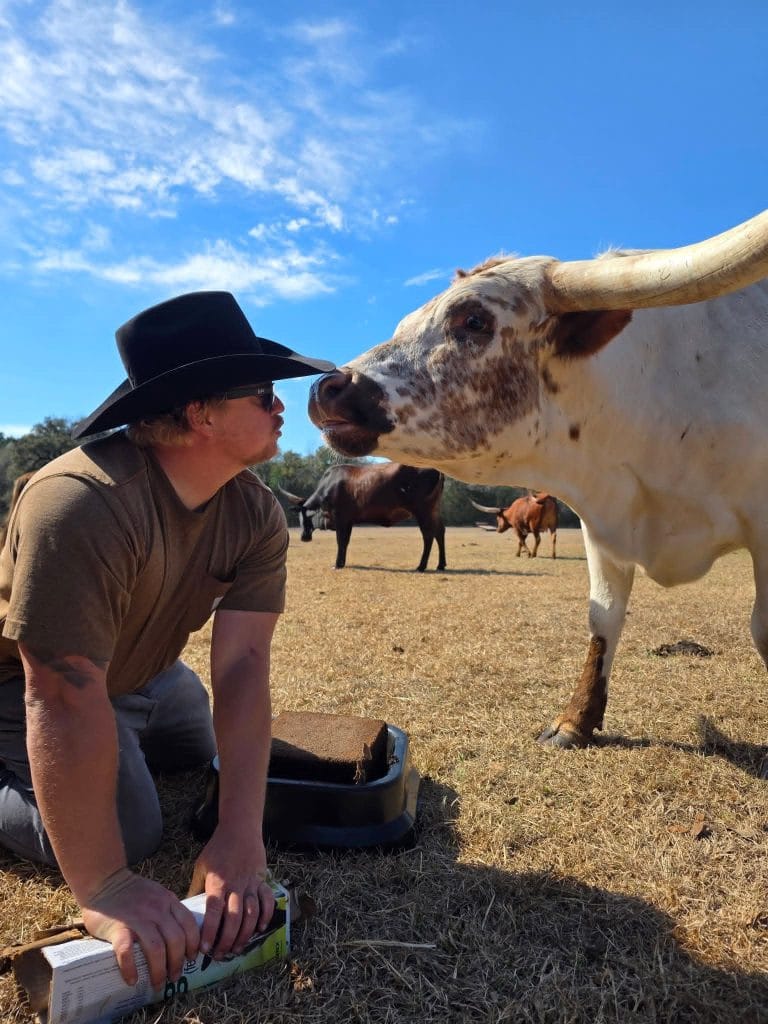
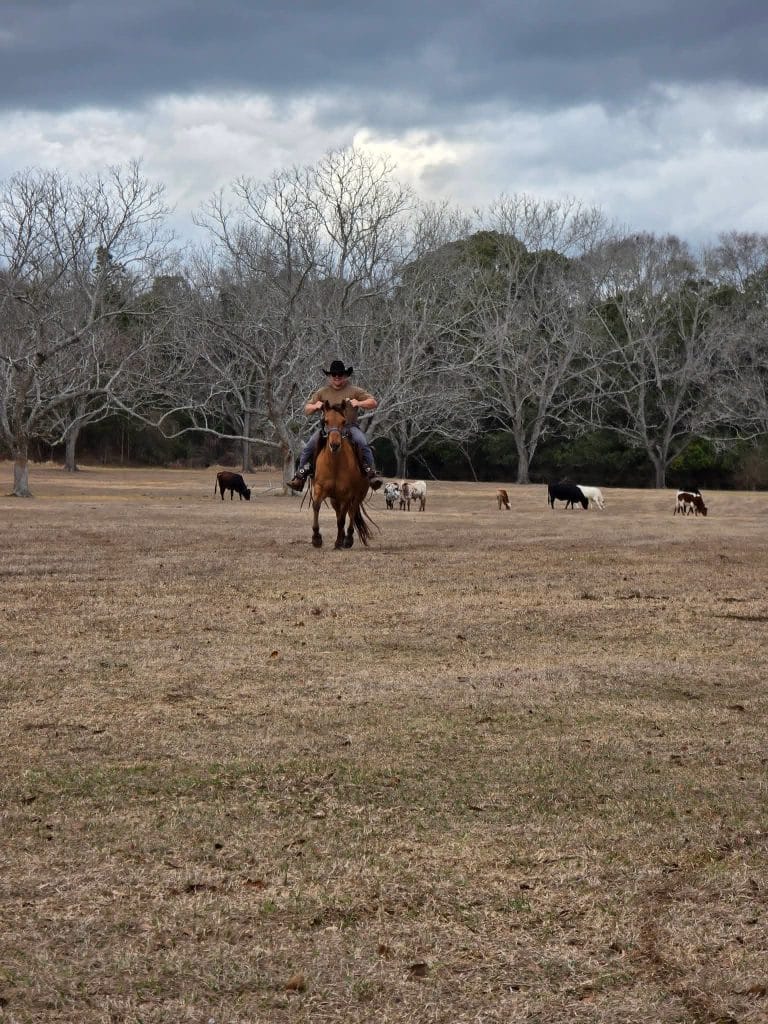
From there, things grew quickly. They added sheep, expanded their herd and began selling meat. Over time, that effort became C-4 Cattle Co., a family operation built out of necessity. The family had already been hunting, fishing and raising poultry, as that was what their son could tolerate to eat.
Today, they run close to 140 acres. Clark said Heather has been central to everything. With a background in zoology and veterinary work, she handles much of the animal health side while also managing the administrative and paperwork responsibilities that keep everything running smoothly.
“It wouldn’t be the same without my wife and kids,” Clark said. “My wife’s been a huge part of keeping everything on track and handling all the paperwork and admin side. Without her, we couldn’t do this.”
But the cattle business was only part of what they were building. It is a family-driven system that supports their children, shapes their daily life and now serves as the foundation for something bigger than their own ranch.
The birth of Vets to Cowboys
As Clark settled into ranch life, other veterans began reaching out. At first, they just wanted to visit.
“Guys were like, ‘Man, can I just come hang out? I want to be around the cows,’” he said.
Those visits turned into something more. At the same time, he kept hearing the same message at cattle meetings. The industry needed more producers. Farms were disappearing, and the average age of farmers kept rising. In Alabama alone, Clark said, thousands of farms had been lost in recent years.
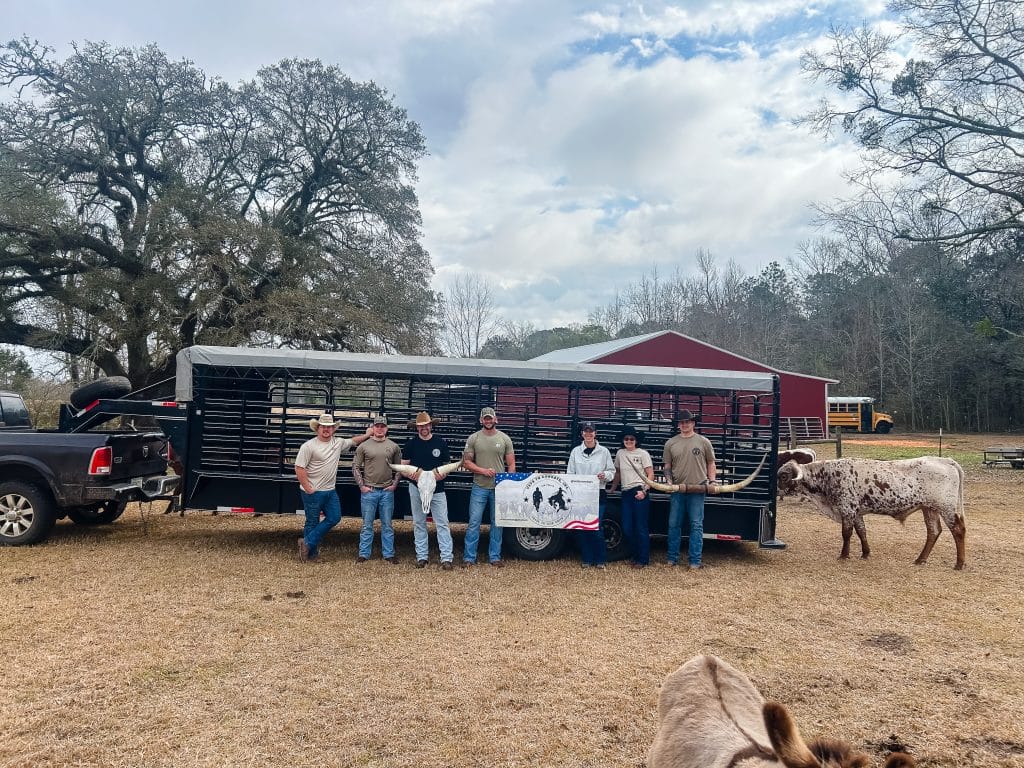
Clark began to see an opportunity and realized this was not just about land and money but also about knowledge. Clark saw that most agricultural programs are built for people who already have a foundation. They assume participants grew up around livestock or have access to generational knowledge.
That’s not the case for many veterans.
“The biggest gap people were facing was learning the things that the third and fourth generation already knows,” he said.
Simple, practical skills—how to load cattle, operate a chute, tag an animal or move livestock safely—often go untaught. Yet those are the skills that determine whether a new operation succeeds or fails.
Vets to Cowboys was built to fill that gap.
Clark started helping people learn how to set up small operations, walk through basic livestock handling and understand how agriculture works. The program focuses on hands-on learning, emphasizing the fundamentals that many take for granted. It also reframes agriculture as a viable career path for veterans—something Clark believes has been largely overlooked.
“There’s nobody out there saying, ‘Hey, come be a farmer,’” he said.

Four pillars of the program
Vets to Cowboys is structured around four core areas: mental health, food systems education, workforce development and farm establishment.
The mental health component is central. Clark has seen firsthand how agriculture—particularly working with livestock—can provide a sense of purpose and calm for veterans adjusting to civilian life. On a ranch, the work is steady and predictable. It brings structure without the same level of stress.
“They’ve been fighting for 20 years, and then it’s just over,” he said.
The second focus is food education. Participants learn about everything from Beef Quality Assurance to processing and distribution, gaining a clearer understanding of the food system from pasture to plate.
The third is workforce development. Veterans get experience with equipment, construction and agricultural skills that can translate into jobs.
The final piece is helping those who want to become producers themselves. Clark walks them through the steps of building a herd and running an operation.
Clark believes veterans are a natural fit for agriculture.
The discipline and responsibility required in the military carry over easily. Livestock still need to be cared for every day. The work does not stop because you do not feel like doing it.
“Cows have to get fed every day. That mission has to come before my individual needs,” he said.
The ability to adapt is just as important. Whether it is a broken tractor or bad weather, problems have to be solved quickly. Clark said that perspective can be especially valuable in agriculture, where uncertainty is constant.
Clark saw that firsthand during a rare snowstorm in Alabama. While some producers lost animals, he relied on the same mindset he used in the military. He checked livestock every two hours, built fires and adjusted feeding. He did not lose a single animal.
“My discipline, my drive … that directly related into me keeping my cows alive,” he said.
Outreach and impact
Despite its grassroots beginnings, Vets to Cowboys has gained significant traction. Clark and his team have leaned into outreach through social media, podcasts, local news and direct engagement with policymakers.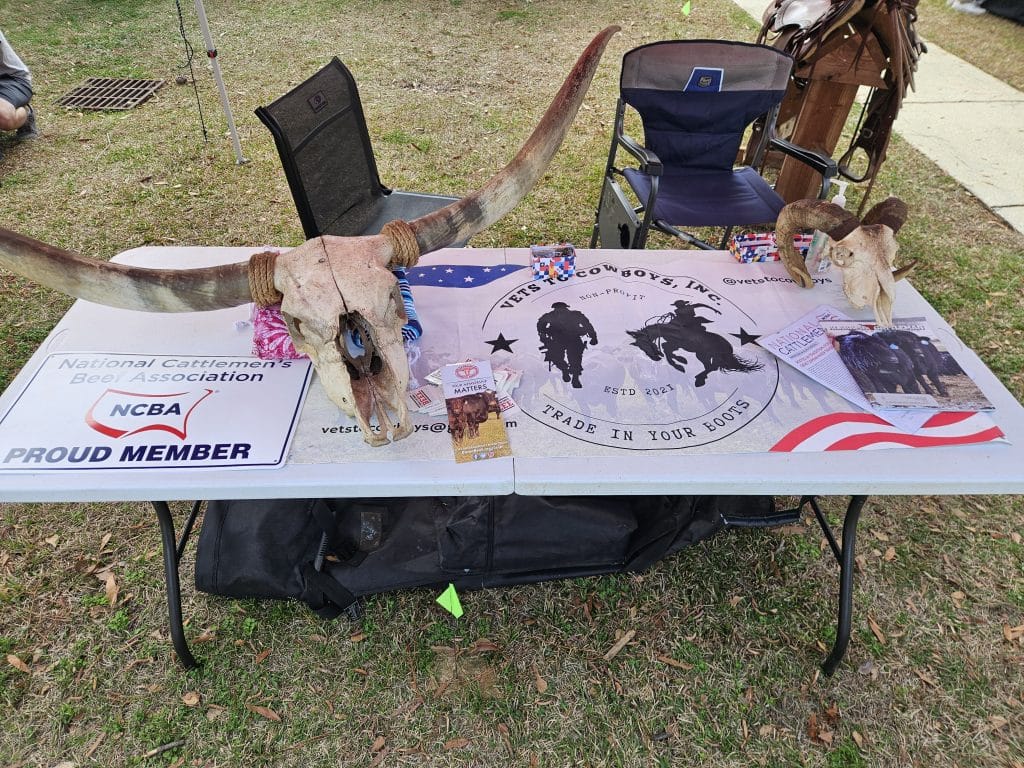
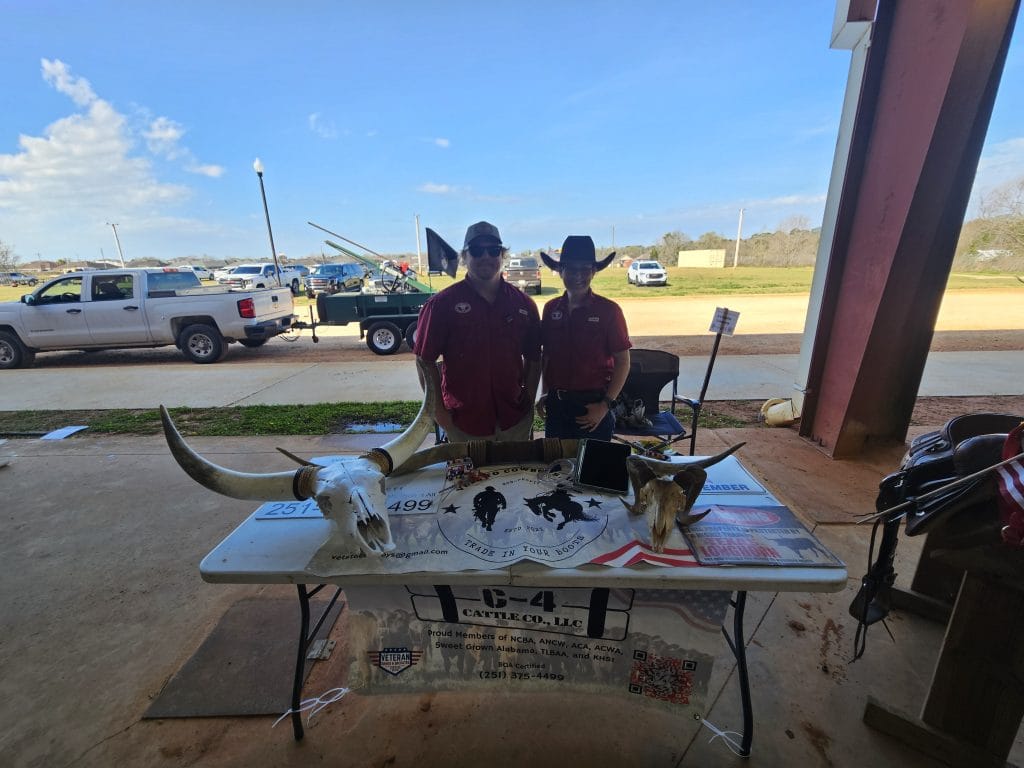
They’ve appeared on TV, connected with political leaders and shared their message wherever they can.
“We’re cold calling and sending our message out to anybody that’s willing to listen,” Clark said.
The impact of Vets to Cowboys is already tangible.
Clark points to one veteran, a retiree who moved to Alabama with 25 acres and a goal of raising cattle for his family. With Clark’s guidance, he built a herd and eventually sold calves to cover unexpected medical expenses.
When the check came in—more than $7,000—it wasn’t just income. It was validation. For Clark, that moment underscored what the program could achieve—not just for individuals, but for rural communities.
The goal is to grow beyond Alabama. Clark hopes others will build similar programs in their own states. Clark envisions a future where veterans are actively recruited into agriculture, where mentorship bridges the generational gap and where new producers help stabilize a shrinking industry.
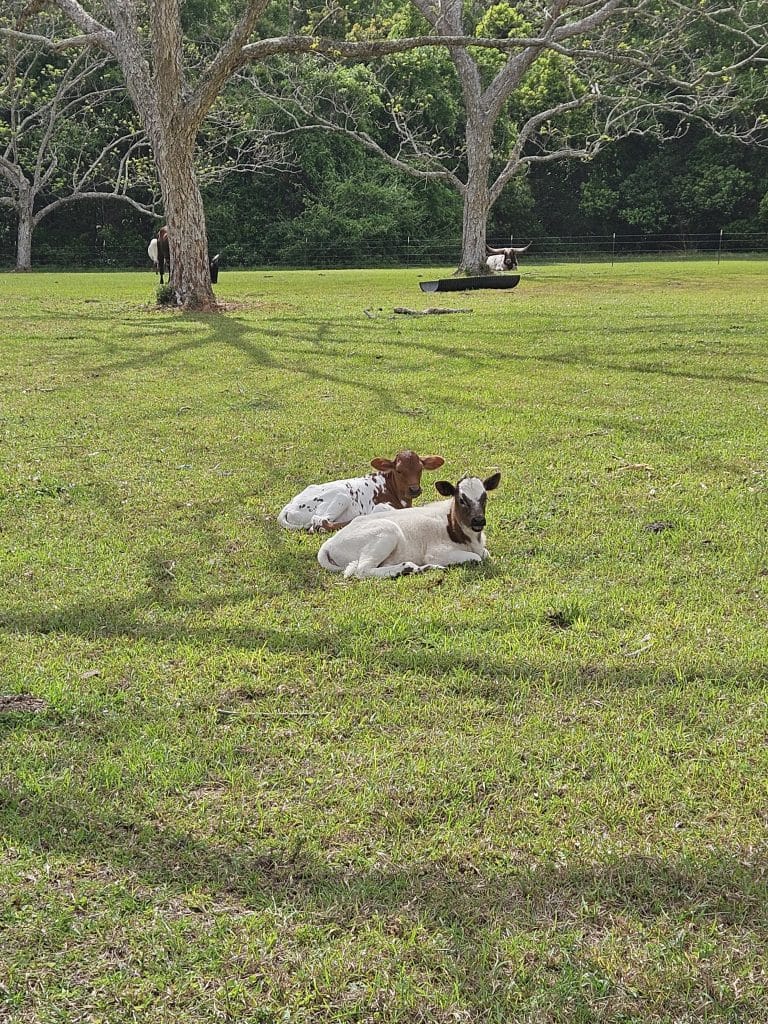
At the same time, he sees the program as a way to address broader challenges—from mental health to food security.
“We can help veterans, and we can help farmers,” he said.
Now, he’s working to make that path clearer for others. Because in his view, the next generation of cattle producers might not come from long-established ranch families. They might come from a different kind of background—one defined by service, sacrifice and the search for purpose after war.
For more information about the Vets to Cowboys program, visit bombassbeef.com/vetstocowboysinc or follow them on Facebook and Instagram.





2 Comments