“Remember when you were a child and they said you could be president, and you actually thought you could? When anything was possible?
Mark Moore has to chuckle as he says it, mostly because his dream wasn’t centered around the White House. His childhood plans always included the Lone Star Ranch. Mark knew he wanted to raise his family on the same land and uphold the legacy of the ranch.
“I steadfastly followed that dream that I had,” he explained to WLJ.
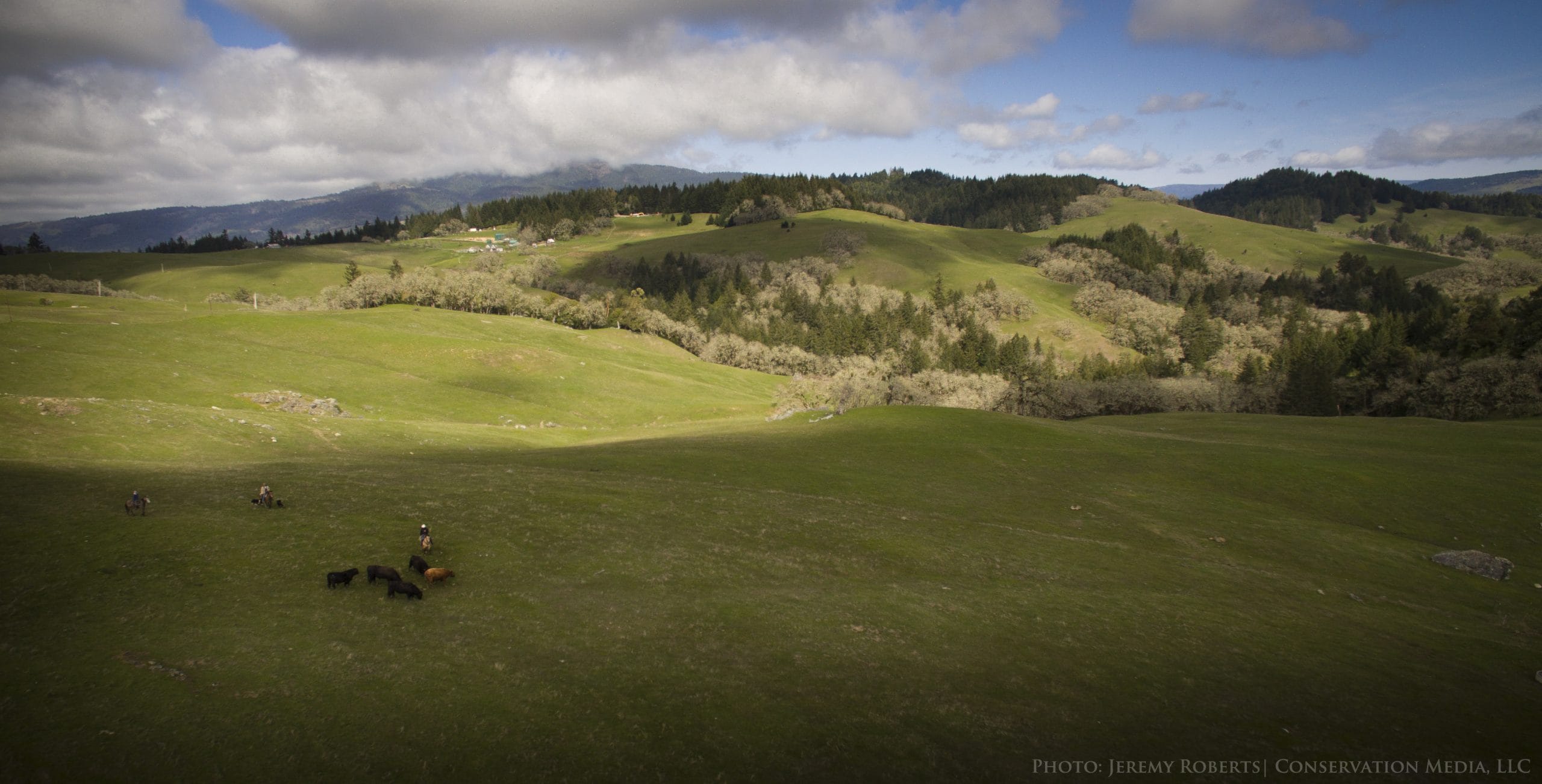
Mark, alongside his wife, Dina, is the fifth generation of his family on the land in Humboldt County, CA. The main expanse of the operation was bought in 1869, but today, Mark and Dina’s three children—Jake (Christie), Lauren (Cody) and Teal (Reid)—and eight grandchildren still call that original stretch of pastureland or nearby property home.
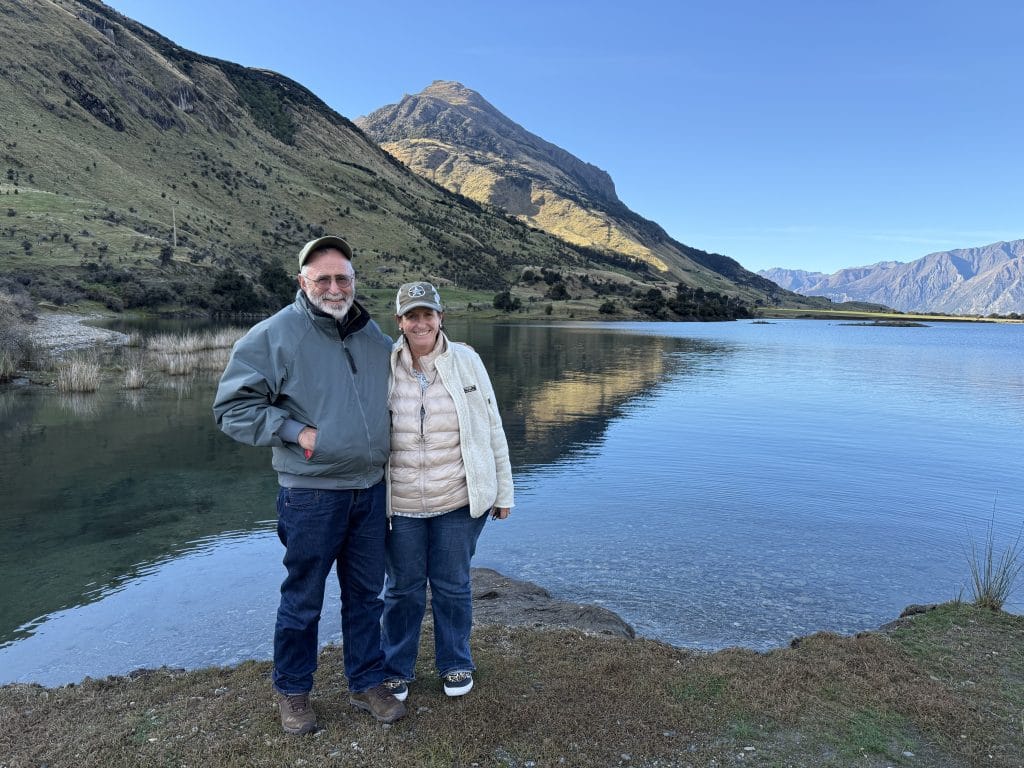
Though Mark jokes those grandbabies run a bit wild, there’s clear pride in his voice when he and Dina talk about the ranch. After 45 years of marriage, the duo has built a cattle herd of their own, but they’ve never thought their responsibilities as stewards stopped with the livestock.
“We’re incredibly fortunate to be able to live in a rural area that is bound closely to nature,” Dina said. “There’s a gift with that, but there’s also an enormous responsibility to balance our use of land with making sure we’re protecting ecosystems.”
Both sides of the partnership have a hefty life of past involvement in groups like the California Cattlemen’s and CattleWomen associations, Regional Water Quality Board, the local Resource Conservation District and local school boards, to name a few.
Planning for the future
Though the involvement almost feels second nature for the two, Mark said the desire to protect the ranching land goes deeper.
“I grew up with a family philosophy of passing the ranch on better than you found it,” he said.
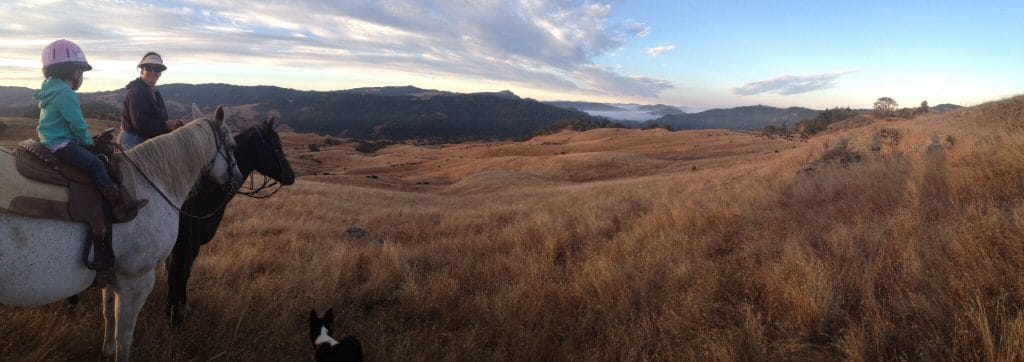
While at first glance that goal seems straight forward—keep the grass growing, promote diversity, promote healthy herds—Mark and Dina realized as their three children matured that there was a big hurdle to face.
With three kids who wanted to raise their children on the ranch, there wasn’t enough of the Lone Star Ranch to go around. And, even more worrisome, what would happen after Dina and Mark were gone?
Looking to utilize a conservation easement to remove the potential development value of their property and invest that money in another agricultural property, the couple turned to the California Rangeland Trust (CRT).
The trust itself was founded 28 years ago by the California Cattlemen’s Association, but as the organization stands in 2026, CEO Michael Delbar says it’s the largest statewide land trust around. CRT has partnered with more than 106 ranching families, covering upwards of 430,000 acres. Their goal?
“What we do as an organization is to keep the ranchers ranching,” Delbar told WLJ. “[The rural communities] are the backbone of the United States. We’ve got to do what we can to protect the culture, the communities, the food supply.”
As a cattleman himself, Delbar considers that mission beautiful in its simplicity. The philosophy is also what made the Moores so ready to partner with CRT.
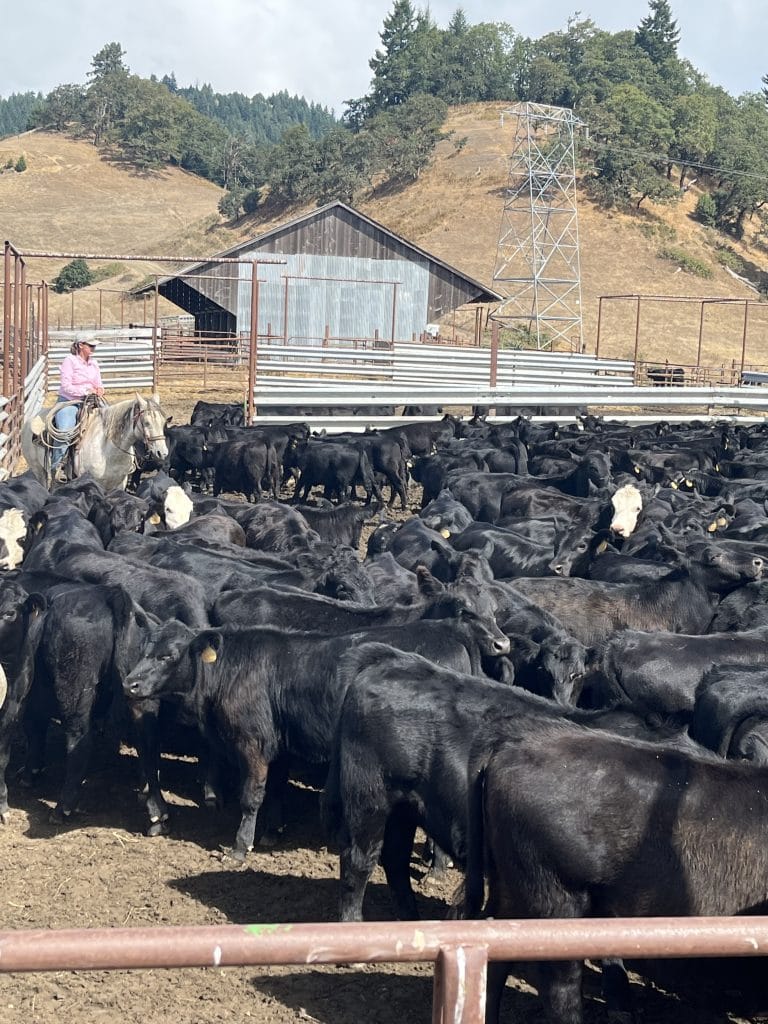
Mark’s mother had tasked him to carry on the vision of keeping the Lone Star Ranch intact no matter where the future led their family, and they brought that intent to the CRT. A conservation easement seemed to be the perfect fit.
How to get started
It starts with an application. Ranchers approach CRT, and once they’re accepted, it’s time to work with the trust to build a proposal to secure funding partners.
Delbar said the easiest way to understand an easement is to picture a bucket full of sticks. Each stick represented a set of property rights: water, mineral, subdivision, etc., and each of those rights come with a specific value, determined by an appraiser.
“We, as a land trust, acquire the development rights stick,” he said.
That’s the start of an agreement between the landowner and the trust, where the CRT works with the landowner to develop the terms of the easement. Landowners continue to have complete control over public access to their property after the completion of the easement.

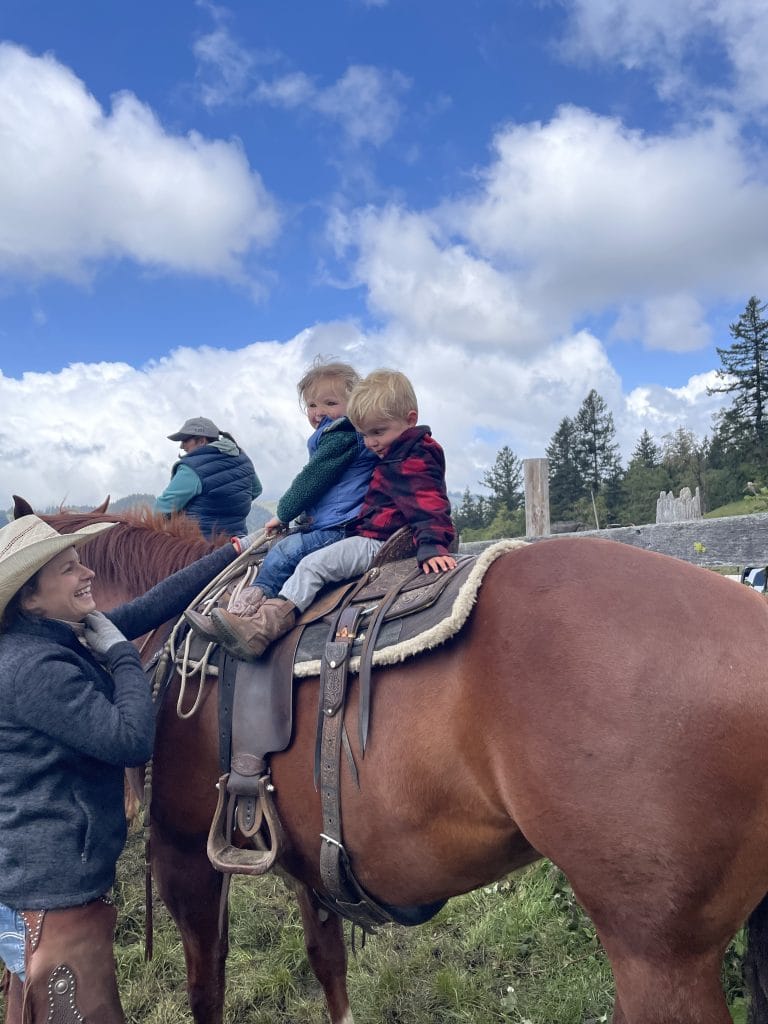
“An easement monetizes the unused development value of the land, allowing the landowner to be compensated for those development rights, while CRT, as the holder of the easement, permanently extinguishes them,” Delbar said. “The conservation easement ensures the ranch remains intact as a working landscape, while the property continues to be privately owned and managed by the ranching family.”
When it came to Dina and Mark’s hopes for the easement, they had two goals: take the money from the easement and complete a 1031 exchange to enable one of their children start their own ranching enterprise, and reduce the value of the Lone Star Ranch as part of their estate planning efforts.
Though the easement was a great solution and CRT proved to be a tremendous partner, Dina said it wasn’t an easy decision.
“It was hard,” she admitted, thinking back to signing day. “But there was no way we would be able to position ourselves to purchase a neighboring ranch for another of our children to be able to own a ranch in the future.”
She describes the process as both lengthy and unwieldy. Producers need to be prepared to share intimate details of their operation, invest a tremendous amount of time and money into the process, and prepare for hard conversations.
“It was critical having a team of consultants beyond CRT working on our behalf,” Dina added.
Delbar echoed the caution. “Conservation easements are a tool to consider,” Delbar said. “It’s not for everybody.”
When it comes to easements—like most things in life—there are good ones and there are bad ones, he added. His staff is proud to support farmers and ranchers in the process, offering solid support for the ag community, but he also urges producers to take their time and read any agreements carefully.
“Anytime in an easement the landowner is uncomfortable with it, don’t sign it,” Delbar said. “If they’re not comfortable with it today, they sure won’t be comfortable with it tomorrow.”
Securing a legacy
Despite the challenging conversations, Dina is also quick to say that succession planning has always been an important consideration for her and Mark.
“When you hand off a business or ranch, you can lose a part of yourself,” she admitted. “I think that’s really hard for people. I think that takes a bit of looking inward about what you really want and what your legacy is.”
Thankfully, that Moore legacy is one that’s easier to get behind.
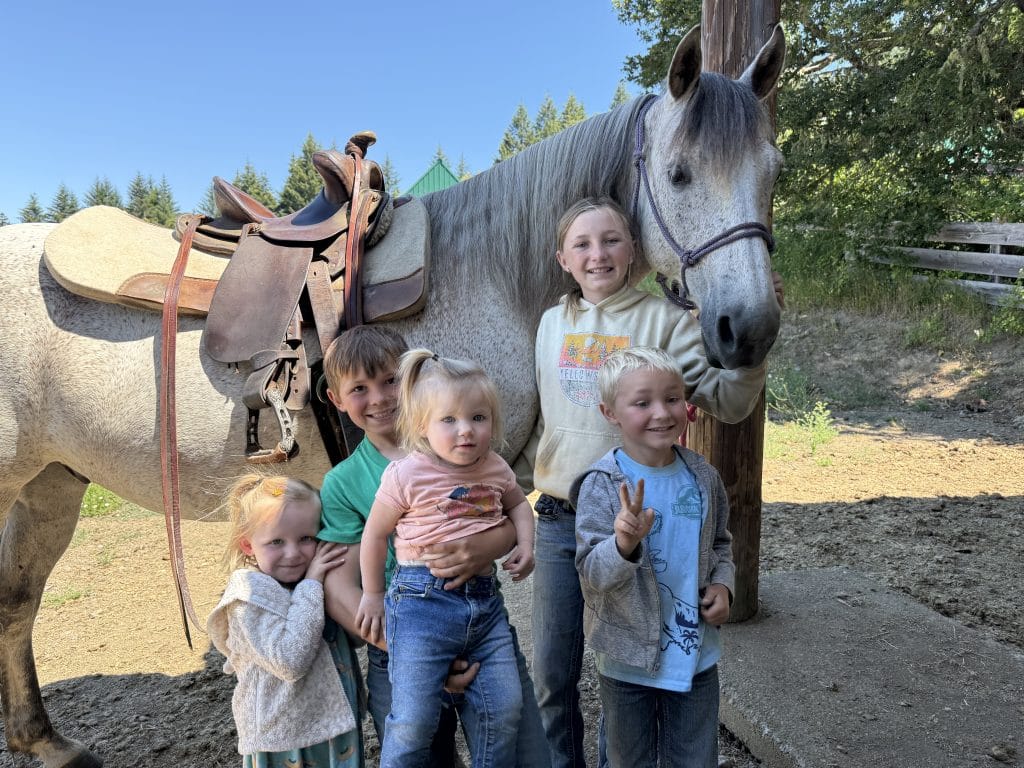
“What we would like to leave for the ranch is the legacy of a landscape that is healthier and more robust going forward, that is financially stable and secure,” Dina said, “and to be able to provide for our children with the opportunities that fulfill them and help them achieve the aspirations they have for their families.”
Though Dina and Mark have taken the steps necessary to make that a reality, the success with the easement and CRT doesn’t mean they’re anywhere near retirement.
“Resting isn’t really part of that equation,” Dina said with a laugh.
It sounds like Mark is going to keep chasing that childhood dream just a bit longer. — Megan Silveira, WLJ correspondent