The lessons learned through 4-H often extend far beyond the show ring. For Johan Grotegut, a young rancher from the Texas Panhandle, the organization has provided a foundation for leadership and a deeper understanding of the agricultural industry he hopes to help lead.
Grotegut’s grandparents emigrated from Germany in the 1950s, chasing what he describes as the quintessential American dream. Agriculture was already a prominent part of their identity, with a family history in crop production, dairy cattle and even Olympic-level jumping horses. After arriving in the U.S., farming and ranching in the Plains was a natural continuation of their roots.

Grotegut’s grandparents instilled their strong agricultural heritage in his father, who acquired his first piece of land when he was just 16 years old, and has since taken over the family operation while also practicing as a veterinarian. Grotegut’s mother, who also comes from a ranching family, manages the business side of the operation.
Now, Grotegut is helping to carry on the family’s agriculture legacy by staying as involved in the family operations and the industry as he can, which includes extensive involvement in the state’s 4-H program.
“My parents were the ones that started it all, and I owe a lot to them,” Grotegut told WLJ. “I learn a lot from the example of my parents.”
Built for the Panhandle
Today, the family continues to farm and ranch in Deaf Smith County, where the county seat of Hereford is widely known as the “Beef Capital of the World.” The title reflects the area’s robust and concentrated beef industry, where more than 1 million head of cattle are fed within a 50-mile radius of the city.
The Groteguts raise sorghum and wheat alongside a commercial cow-calf herd of black Angus-Hereford cross cattle and Rambouillet sheep. The cattle are managed through a rotational grazing system, with a small feedyard used primarily during drought or to support their seedstock program.
Their dual-purpose Rambouillet flock produces both market lambs and wool, which is shorn annually before being marketed through New Mexico. Like many Texas Panhandle producers, the family has also been forced to scale back herd numbers in recent years as drought has tightened forage supplies.
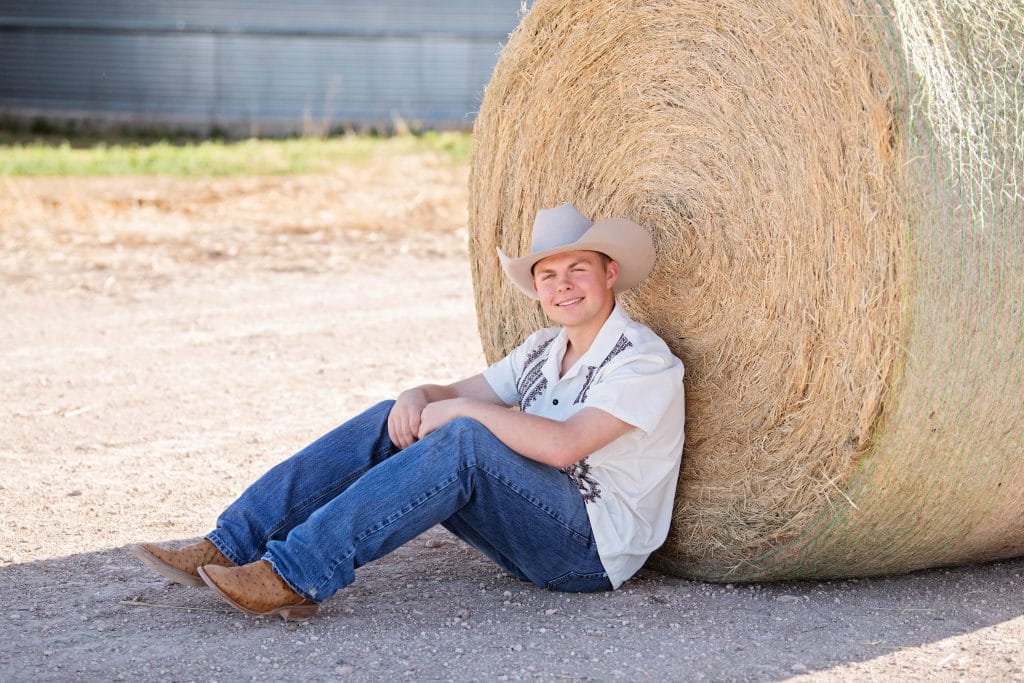
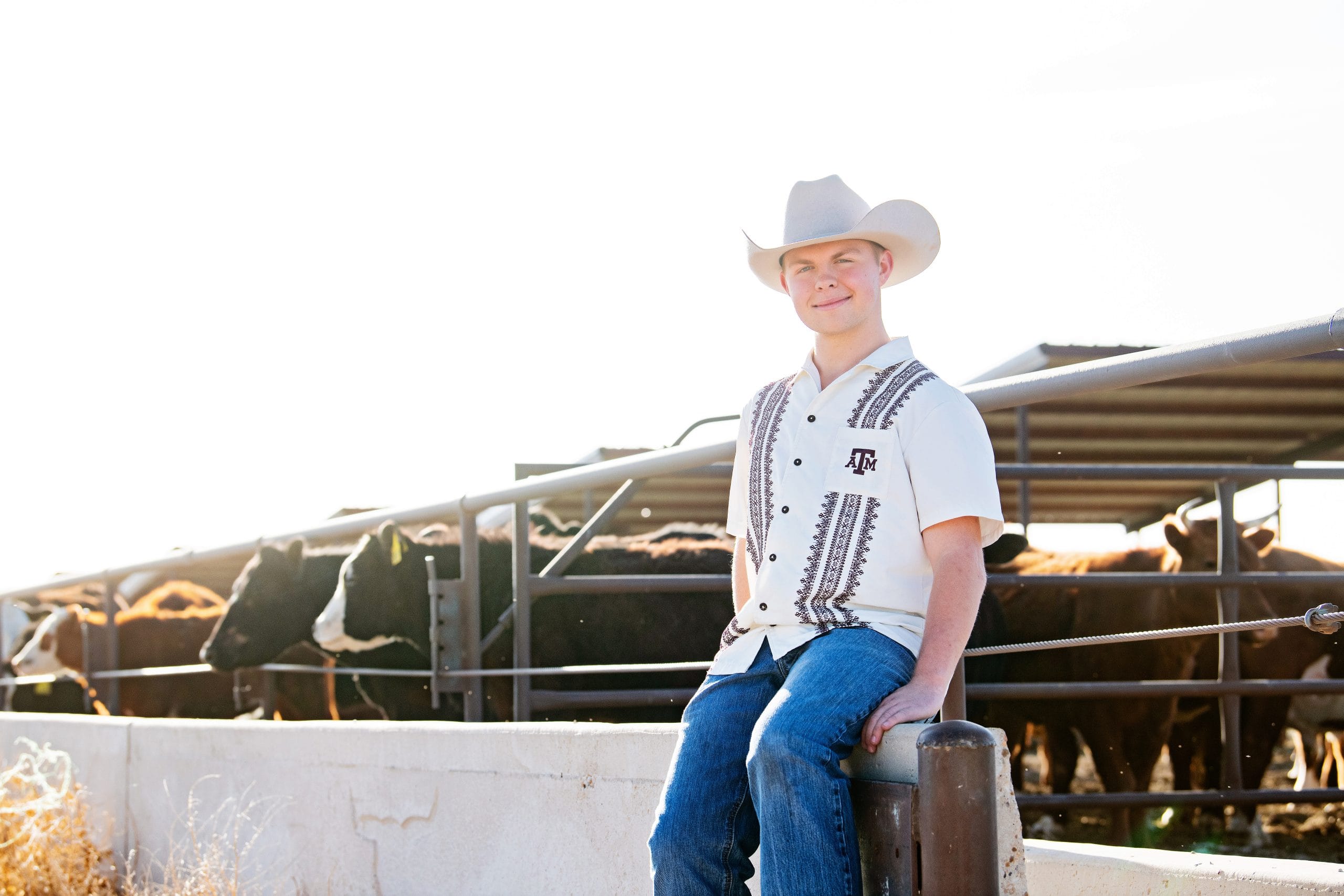
This fall, Grotegut and his twin brother will both begin studying animal science at Texas A&M University, with plans to return back to the family operation. Although the family’s cattle herd is managed collectively, Grotegut has already started investing in the sheep ranch himself. After purchasing his first sheep around the age of 10, he became a partner in the family’s sheep enterprise.
Head, heart, hands and health
Like many ranch kids, Grotegut’s introduction to 4-H came early. He joined as a Clover member in the first grade, spending his early years competing in county contests for livestock judging, public speaking and food challenges before eventually raising sheep projects once he was old enough.
As he entered high school, his involvement skyrocketed. What began with local-level contests evolved into leadership positions that took him all over Texas, then the country.
After serving as a district 4-H officer, Grotegut set his sights on Texas 4-H’s ambassador programs, hoping to become a livestock ambassador and advocate for the industry he had grown up in.
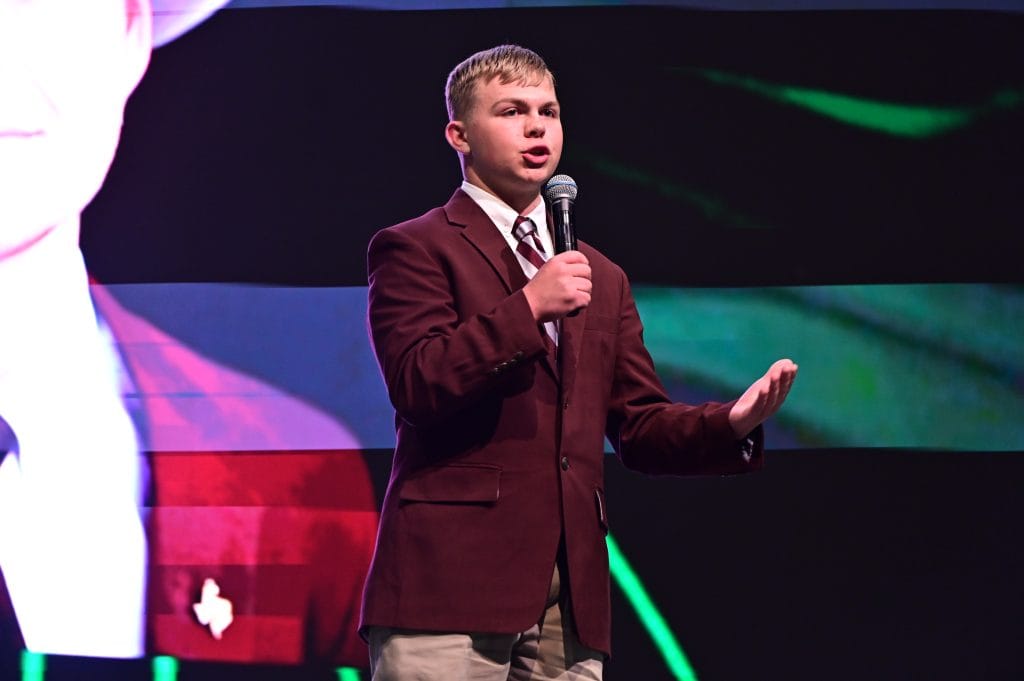
“Being a livestock ambassador was something I’ve wanted to do from a very young age,” he said. “Since forever, I’ve wanted to be able to travel around the state and learn about the industry and serve in different roles.”
While his first attempt into the program was unsuccessful, the setback only fueled his determination. The following year, he applied again—this time for both the livestock and water ambassador programs—and earned a spot in each.
“It’s been really cool getting to learn about agriculture from the livestock ambassador side,” he said. “But also learning about how we can better do a good job of conserving water and managing to get the most out of the water that we do have.”
Grotegut’s role as a livestock ambassador has taken him across Texas promoting the livestock industry through consumer events and agricultural outreach, whether at local grocery stores or regional stock shows. The ambassador position has also exposed him to regional agriculture systems, from different operations to agricultural policy issues. This summer, he will travel down the West Coast from Alaska to California to see the diversity of agriculture across a region far from home.
His role as a water ambassador has broadened his perspective beyond livestock production, focusing on Texas agriculture’s most pressing challenges: water conservation. Grotegut attended a tour last summer that covered the Texas Hill Country to the Big Bend region, exploring how communities manage one of the state’s most valuable natural resources.
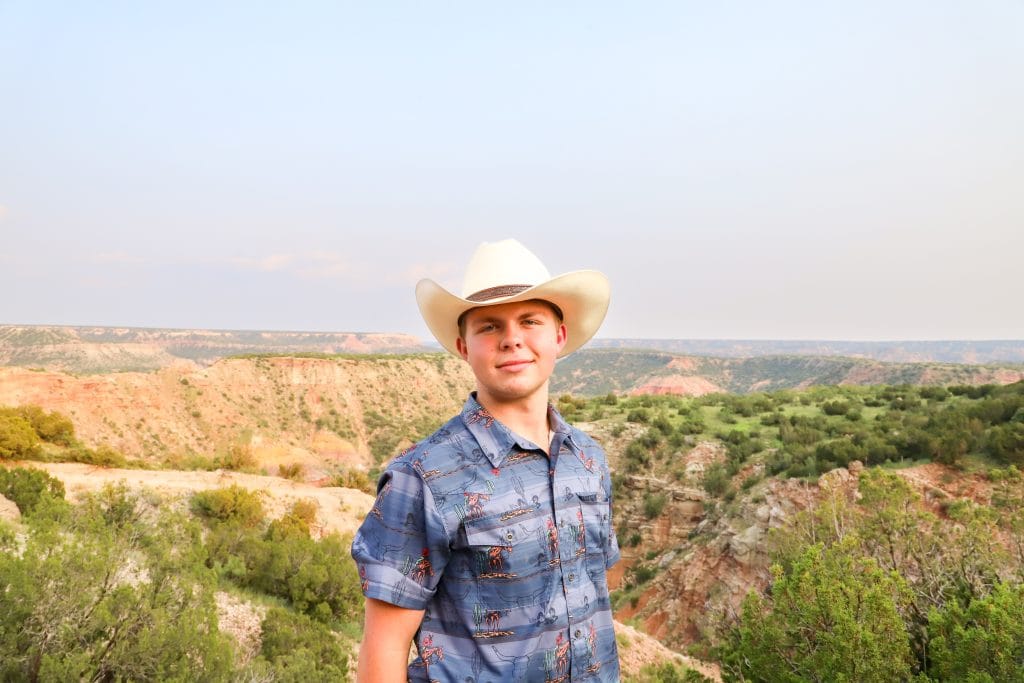
“My favorite part of that was getting to go to the Devils River,” he said. “There’s a stretch of the river that is really protected and not very many people get to visit. They took us out there, and we got to swim and jump off the rocks in the most pristine water you’ve ever seen.”
Learn by doing
Between the two ambassador programs, Grotegut has also completed dozens of hours of community service.
Beyond the ambassadorships, he also served on the Texas 4-H Council, one of the organization’s highest youth leadership roles. As a council member, he helped plan and facilitate statewide events, including Texas 4-H Roundup and Spark Camp, where younger members explore new project areas and develop leadership skills. He also represented the Texas 4-H program at events across the state, serving as an ambassador for an organization that had shaped much of his own upbringing.
Each experience, he said, has not only broadened his knowledge of the industry but has strengthened his leadership skills.
“4-H has done a lot of great things for me, but I think the No. 1 thing it has done for me is really get me involved in the community of agriculture,” Grotegut said. “It’s helped me start networking in ways that will prepare me for the industry going forward.”
He added, “Whether that’s meeting industry leaders or touring different ranches, I’ve gotten all of these different opportunities that have shown me what it takes to be successful.”
Although Grotegut has yet to begin his first semester at Texas A&M University, he believes his years in 4-H have already given him a head start.
“I think 4-H has made me more ready for college than the average person,” he said. “Which means that I’m more ready for my career than the average person.”
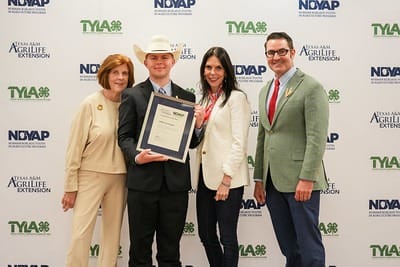
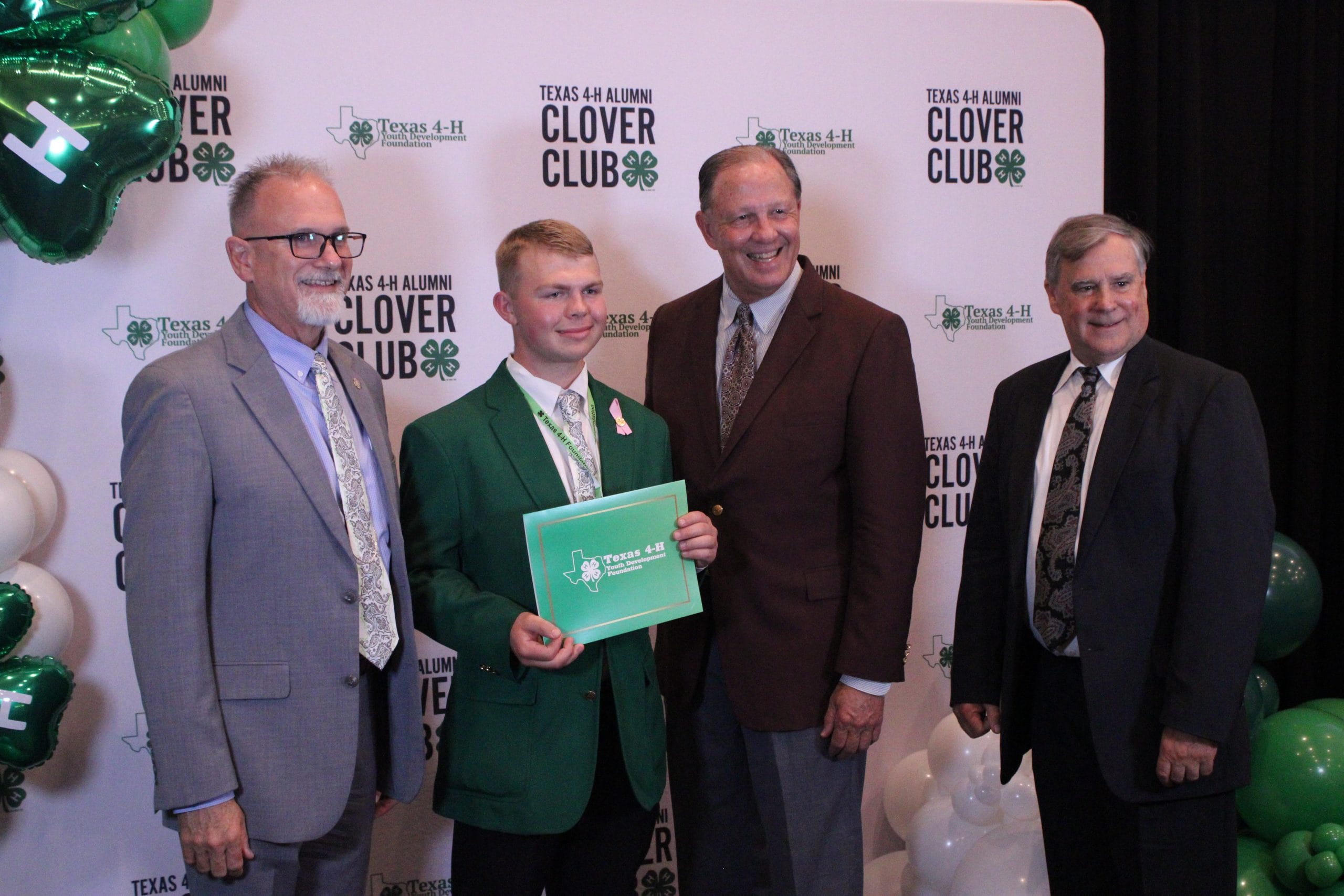
While 4-H has occupied much of his time outside the classroom, it wasn’t Grotegut’s only pursuit. For three years, he participated in Junior Reserve Officers’ Training Corps, but one of his favorite high school activities came through the University Interscholastic League’s Current Issues and Events competition.
The competition challenges participants to stay on top of the news, testing their knowledge of everything from agricultural policy to federal politics and international events. Grotegut helped his team earn three state runner-up finishes and also captured a state championship during his time in the competition, which also included him serving as team captain during his senior year.
Looking back on his experiences, Grotegut hopes other young people will see the value in stepping outside their comfort zones.
“It can be daunting at first,” he admitted. “There was a time when I was afraid to go talk to people. But it’s really from talking to people that you learn, you grow, you develop. You learn these skills of responsibility and you find new ways to be involved.”
He added, “Don’t be afraid to get out there and make connections and make some friends.”
As Grotegut looks toward his future, one thing remains certain: he wants agriculture to remain at the center of it. While he is still exploring the path that will take him there, he plans to pursue a professional degree—whether through veterinary medicine, medicine or law.
Ultimately, his goal is to return to the family operation and continue the legacy his grandparents started decades ago. But he also understands the landscape of agriculture is changing. With increasing development pressure and ongoing drought concerns, he knows the ranch he returns to may look different than the one he grew up on.
“If I have the opportunity to, that’s the goal,” Grotegut said. “I definitely want to come back.” — Anna Miller Fortozo, WLJ managing editor