As we approach the end of the year and fall work winds down, it is a good time to reflect and prepare. All have endured a long, hot, dry summer, and many of you have seen your operations and lives affected by wildfire. Fall moisture offers hope for improved conditions in the months ahead. Long-term weather outlooks look optimistic and can help guide our planning, but they offer probabilities rather than guarantees.
Ranching is a complex business, with many variables to consider and trade-offs to make. Running a ranch at full capacity spreads fixed costs across more cattle, but it can also leave little room to respond when forage production falls short. Weather has a major influence on the grass resource we depend on, and it is entirely beyond our control. What we can control is how we plan, prepare, execute and adjust.
Fire and drought—often occurring together—are stark reminders of nature’s influence on our business. Your ranch is your greatest investment. Think long term, protect its productive capacity and remember to feed the ranch.
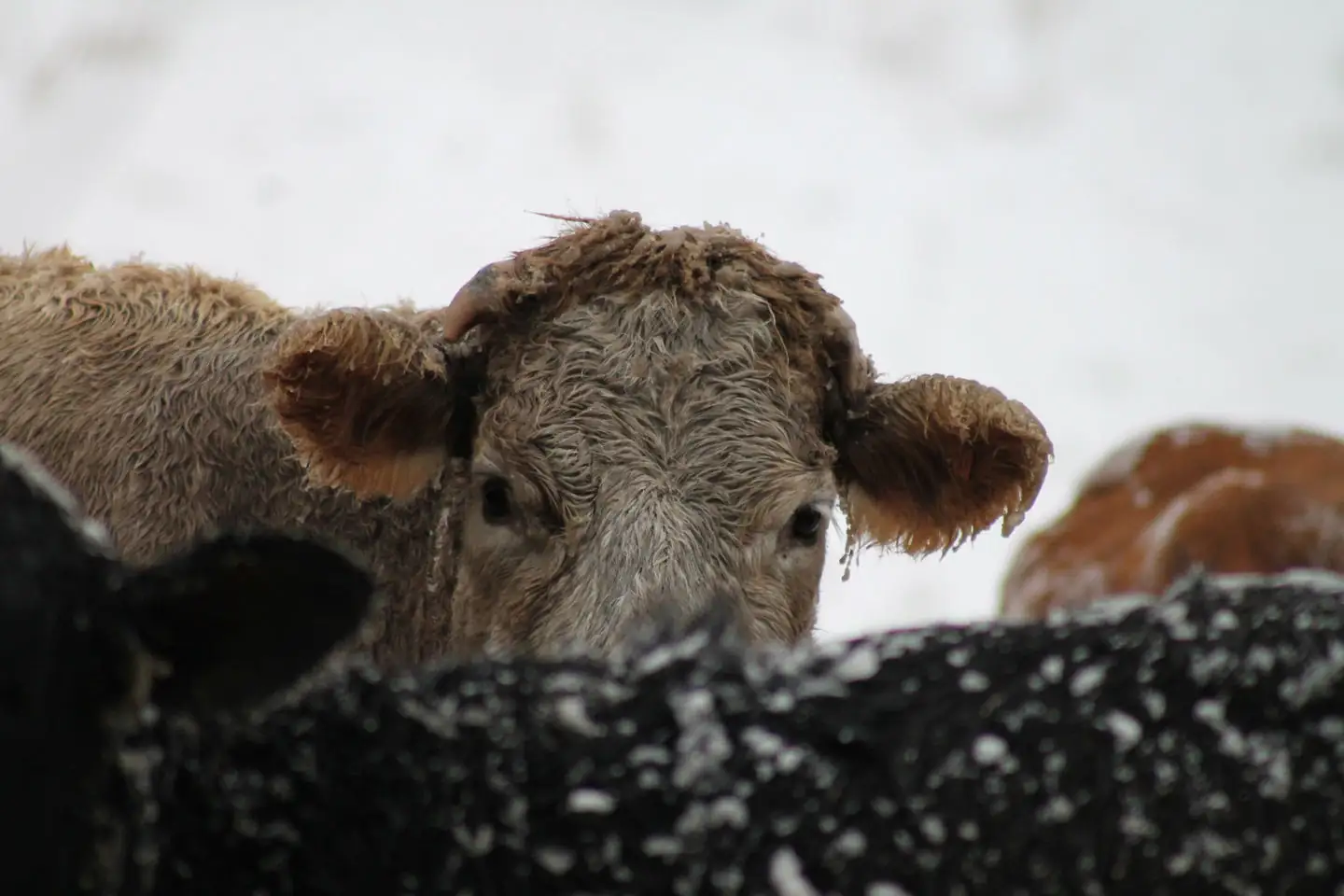
The next consideration is feeding your cows. The importance of body condition to cow performance cannot be overstated. Cows that calve below a body condition score of 5 on the nine-point scale are less likely to rebreed on time and are at greater risk of remaining open. Following this summer’s difficult conditions, your cows may be thinner than usual.
Once calves are weaned, the cow’s nutritional requirements decline dramatically. It may be tempting to let her fend for herself for a few months, but the period after weaning is one of the best opportunities to add condition to thin cows—before winter weather and advancing pregnancy increase their nutritional demands.
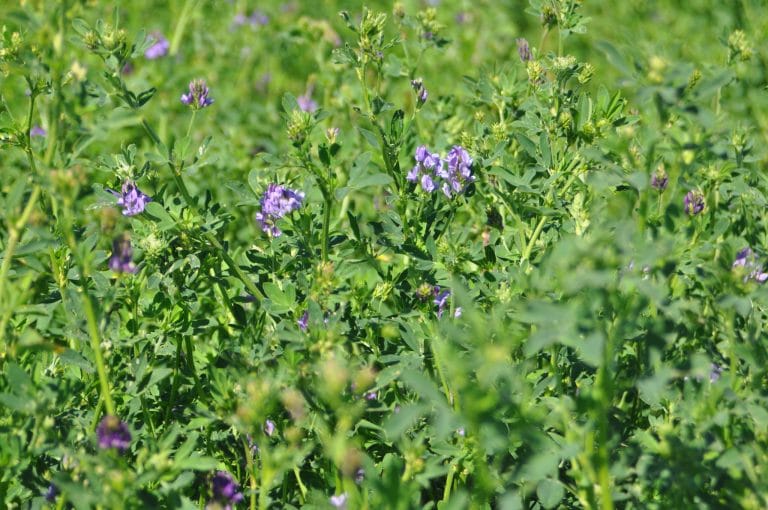
Alfalfa aftermath can be an excellent option when available, but grazing it requires attention to bloat risk. A killing frost generally means temperatures of 24 F or lower for at least four hours. A common guideline is to wait at least three to five days after frost before considering grazing, with substantial wilting and drying helping reduce the risk. Cool, damp conditions may require a longer wait. Frost does not eliminate bloat risk, so feed cows dry hay before turnout, wait until frost or dew has dried, and watch them closely.
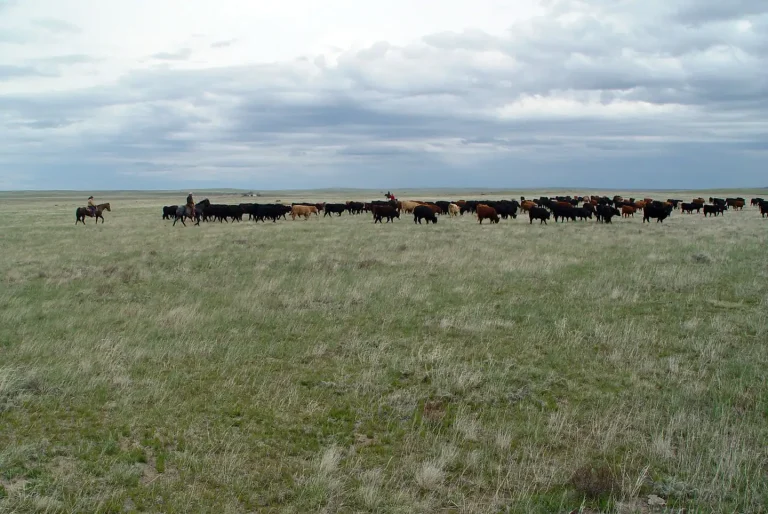
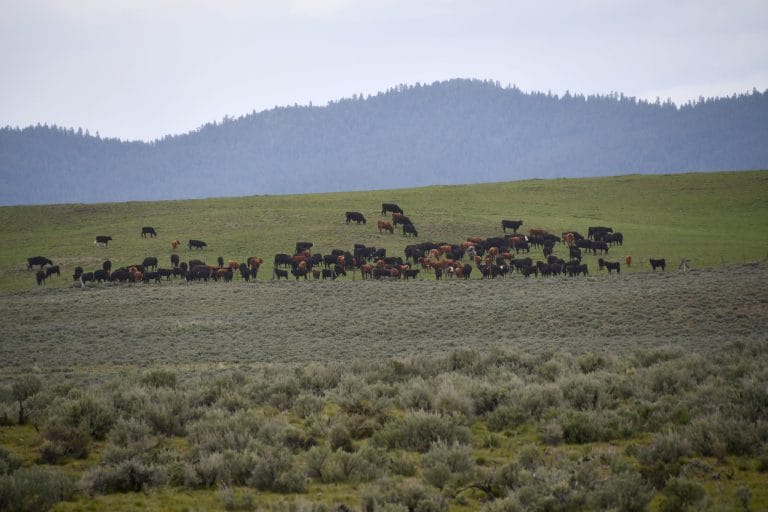
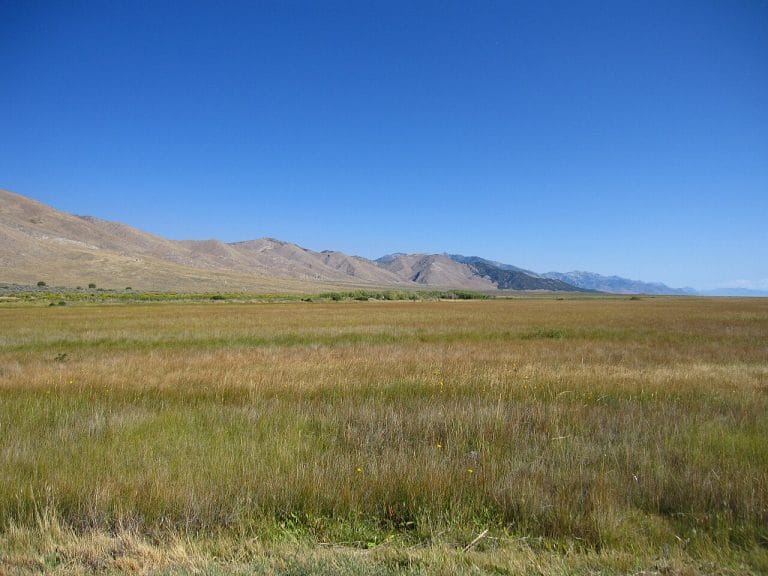
Dormant grass, supplemented with adequate protein, can provide enough energy to improve body condition when forage quantity is sufficient. Protein supplements range from tubs and blocks to alfalfa hay, with considerable differences in cost.
To compare supplements, divide the cost per pound of feed by its crude protein content expressed as a decimal. For example, a 30% crude protein lick tub contains 0.30 pounds of crude protein per pound of supplement. At $1,200 per ton, the supplement costs $0.60 per pound. Dividing $0.60 by 0.30 gives a cost of $2 per pound of crude protein. By comparison, alfalfa hay containing 18% crude protein and priced at $250 per ton costs approximately $0.69 per pound of crude protein. These examples assume the protein percentages are expressed on an as-fed basis.
Purchase price is only part of the equation. Labor, equipment, transportation and feeding losses also affect the total cost. When cattle are readily accessible, alfalfa used as a protein supplement can often be fed three times per week, provided the amount supplied meets their needs. On extensive range, however, regular feeding may be impractical, time-consuming, or disruptive to grazing patterns. In those situations, tubs or blocks may be the better choice despite their higher cost per pound of crude protein.
Fall is an excellent time to improve cow body condition before winter and spring calving. When cows have adequate low-quality forage and protein is the limiting nutrient, supplementation can be a cost-effective way to improve forage use, add condition, and prepare the herd for next year’s calf crop. — David Secrist, Ph.D., Extension beef specialist, Utah State University