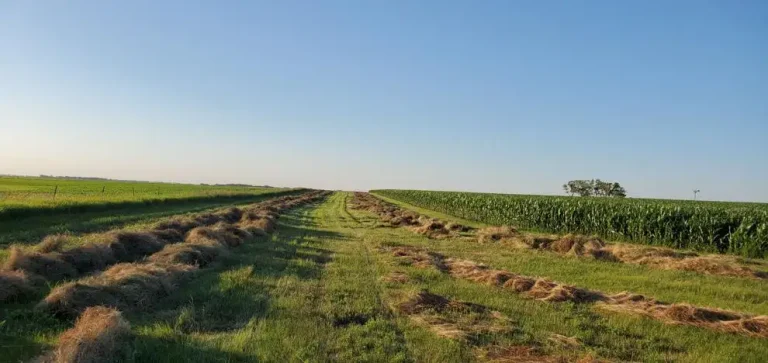
Dry weather has created hay shortages in many areas of North Dakota, with crops down to 50% of normal. Drought-damaged cereal crops that normally would be harvested for grain have been shifted to hay, which will help reduce the strain on hay demand.
The need for additional forage may alter fall forage management decisions, especially for alfalfa, affecting long-term persistence, according to North Dakota State University (NDSU) Extension specialists.
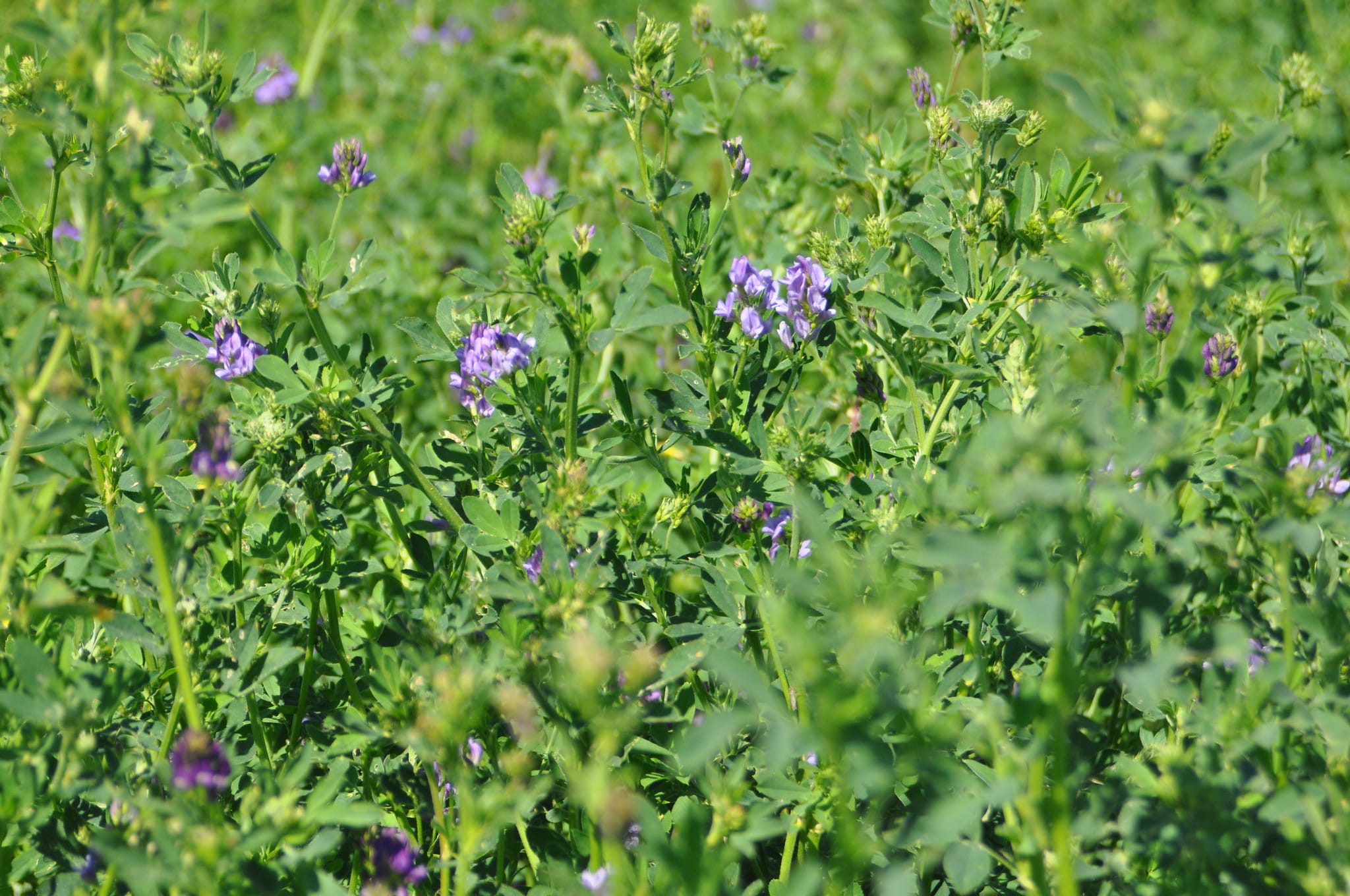
“The rule of thumb for late summer and early fall management of alfalfa is ‘no cut September,’” said James Rogers, NDSU Extension forage crops production specialist. “This allows alfalfa time to translocate nutrients from the top of the plant to the roots and crown for winter survival and spring growth.”
This storage process will continue as long as the plant is actively growing and ends at the first killing freeze (24 F). Ideally, the time period needed for alfalfa to store adequate nutrients is five to six weeks.
If alfalfa is harvested this late in the season, it does not have enough time before a killing frost to adequately replenish its stored energy reserves. This increases the chances of winter kill, slows spring growth and reduces long-term stand persistence.
Rogers says many other variables can work against alfalfa as well.
“Stands older than four years of age are more susceptible than newer stands,” Rogers said. “Soil fertility will play a role; stands that are low in potassium and phosphorus are more susceptible to winter kill. The alfalfa variety and winter survival rating also influence the timing of a final harvest.”
One option to consider if forage is needed for winter feeding is to delay harvest or grazing long enough for carbohydrate reserves to develop, but temperatures are low enough that any regrowth will not severely deplete them before a killing freeze. Little alfalfa regrowth will occur once temperatures consistently average 41 F, generally in mid-October.
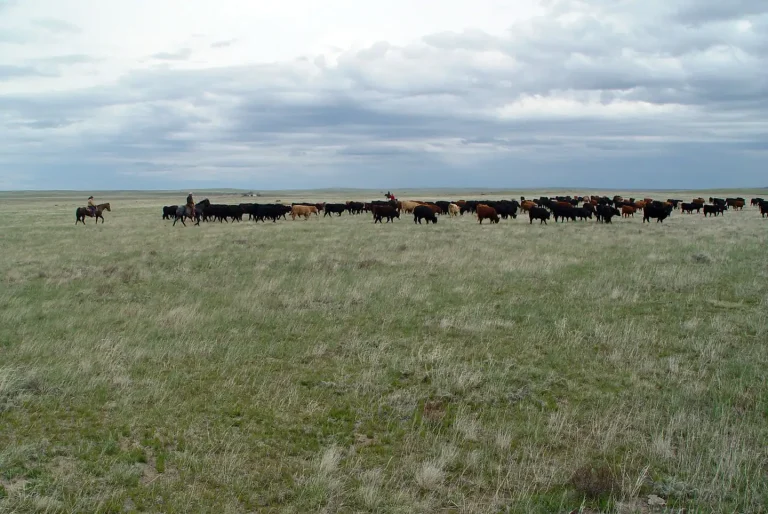
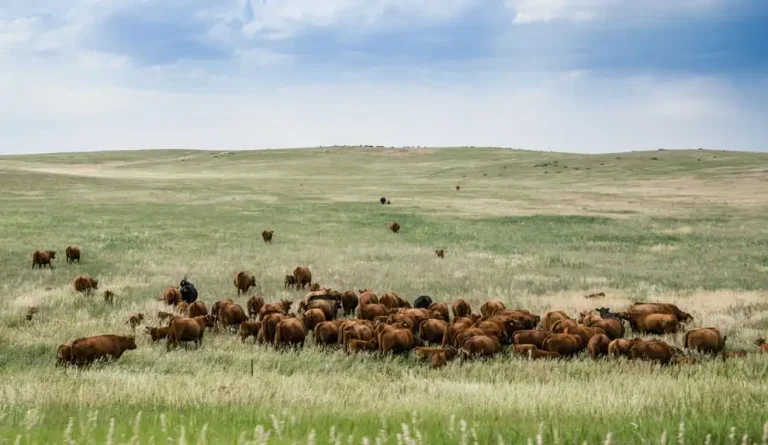
After a killing frost, the best option for harvesting residual alfalfa forage is with grazing.
“For grazing, wait until the alfalfa has dried for a minimum of 10 days to reduce potential bloat risk,” said Miranda Meehan, NDSU Extension livestock environmental stewardship specialist. “Bloat risk increases with frost because plant cells rupture, releasing soluble proteins.”
If considering grazing alfalfa, Meehan warns to be careful to avoid hoof damage to crowns caused by wet field conditions and pugging.
Harvesting alfalfa for hay post-frost is challenging. In general, weather conditions are not favorable for curing and baling. Excessive leaf shatter will also be an issue, reducing hay quality.
It is important not to graze alfalfa or alfalfa-grass stands short. If cut too short, the risk of winterkill increases, especially in stands older than four years. Rogers recommends leaving a minimum stubble height of 4 to 6 inches to assure proper snow catch and protection of the alfalfa crown.
“Late-season alfalfa can be a good source of late-season forage and increase grazing days or hay inventories on drought-impacted ranches,” Meehan said. “If timed properly, there should be no negative impacts on alfalfa stands.”
Management decisions made now will affect next year’s forage production. Giving up some late-season alfalfa forage production this fall can pay off next year. — NDSU Extension