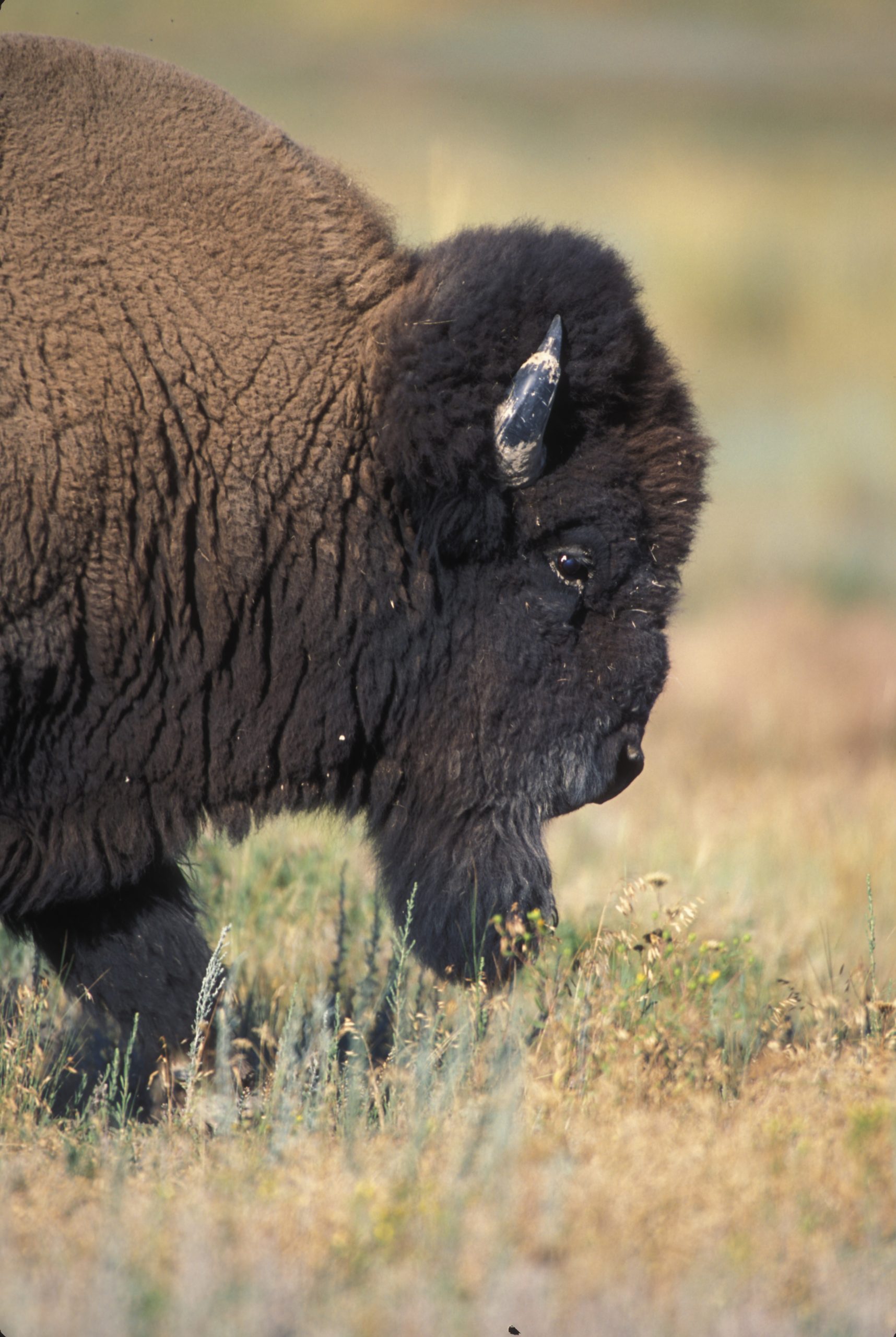
The state of Montana is asking the 9th Circuit Court of Appeals to reverse a lower court’s preliminary injunction that allows American Prairie to keep its bison on federal grazing allotments in Phillips County, MT.
In a Nov. 2 appeal, the state petitioned the court to confirm the scope of federal grazing permit laws and “prevent harm to Montana’s state trust lands” as a result of the preliminary injunction.
“The district court fundamentally misunderstood what Congress authorized in the Taylor Grazing Act,” Gov. Greg Gianforte (R) said. “The Bureau of Land Management made the correct and lawful decision to cancel these permits. Our administration will continue advocating for the generations of Montanans who have stewarded our lands with care.”
In September, a judge in the U.S. District Court for the District of Montana granted the conservation group a preliminary injunction to block the Bureau of Land Management (BLM) from enforcing its May decision requiring American Prairie to remove its bison from three grazing allotments.
The ruling by Judge Brian Morris allows the bison to remain on the Telegraph Creek, Box Elder and Whiterock allotments while the court considers the underlying legal challenge. Morris declined to extend the injunction to three other allotments where the group did not already graze bison.
Appeal
The state’s appeal includes Gianforte, the Montana Department of Natural Resources and Conservation, Montana Department of Agriculture, Montana Department of Livestock and Montana Department of Fish, Wildlife and Parks.
The state questioned whether federal laws authorize grazing permits for a bison herd managed as wildlife, whether the district court erred in finding irreparable harm from American Prairie’s claims and when the court weighed the equities, and whether the injunction is overbroad in reaching Whiterock Coulee.
Issuing grazing permits to a “non-production-oriented, wildlife management focused” conservation bison herd exceeds federal law, the state argued. This includes violations of the Taylor Grazing Act, the Federal Land Policy and Management Act and the Public Rangelands Improvement Act.
“American Prairie’s bison herd is not a commercial, production herd,” the state asserted. “This is clear from (its) mission, which is ‘to create the largest nature reserve in the continental United States, a refuge for people and wildlife preserved forever as part of American’s heritage.’”
The state further argued that a preliminary junction is an “extraordinary and drastic remedy” and that the district court’s determination that American Prairie will suffer harm is “unsupported, accepting broad and unsubstantiated claims of financial and genetic harm despite evidence to the contrary, and failing to compare the extend of any financial harm to (its) multi-million-dollar enterprise.”
The May decision reissued American Prairie cattle permits on the same allotments at the same stocking rates when the group reported more than $202 million in assets on its 2024 tax filing, the state said.
The state continued that the lower court’s conclusion that the balance of equities and public interest tips in favor of injunction is “similarly erroneous, rejecting clear evidence that, under injunction, bison will trespass on Montana’s Trust Lands and jeopardize the State’s fiduciary obligations.”
Even if an injunction was appropriate, the state furthered, the scope was overbroad and an abuse of discretion.
The injunction applied to three allotments, but the last uncontested status preceding controversy was when the group grazed on two allotments, the Box Elder and Telegraph allotments, the appeal read. Including the Whiterock Allotment exceeds the status quo prior to litigation, the state contended.
The appeal asks the court to reverse and vacate the preliminary injunction, or at least limit the injunction to the Box Elder and Telegraph allotments.
Background
American Prairie owns about 940 bison and 8,000 cattle that graze on leased and deeded lands in Montana’s northern plains.
In May, BLM determined the group manages its bison for conservation and ecological restoration rather than production purposes. The agency said the Taylor Grazing Act only allows grazing permits for livestock managed primarily for production and revoked American Prairie’s grazing permits. The group then had until the end of September to remove bison from the federal allotments, an order which was stayed by the preliminary injunction. — Anna Miller Fortozo, WLJ managing editor