House Republican leaders abandoned a larger proposal and instead opted to include President Donald Trump’s $11.1 billion farm aid request in the upcoming reconciliation package.
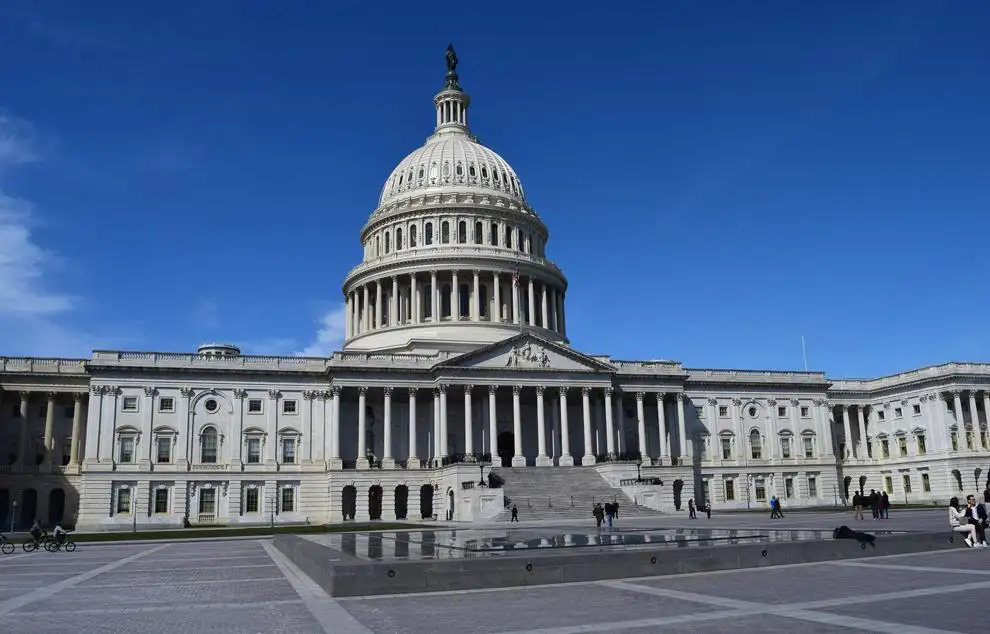
The budget resolution is expected to reach the House floor the week of July 20, giving Republican leadership additional time to secure support for the broader package, which includes farm aid, funding for the Pentagon and the SAVE Act.
House Agriculture Committee Chairman G.T. Thompson (R-PA-15) visited the White House with other committee chairs, shortly before lawmakers scaled the farm aid proposal back to Trump’s original request, Punchbowl News reported. Vice President JD Vance was also expected to help rally Republicans on Capitol Hill July 15 behind the legislation.
The size of the farm aid package is not expected to be a major obstacle for Republicans, who remain focused on advancing long-awaited farm policy while providing relief during a difficult farm economy.
“What’s good for farmers is good for America,” Rep. Zach Nunn (R-IA-03) told DTN.
What farm aid means today
“Elevated input costs and weak commodity prices are expected to pressure farmer margins, slowing purchasing decisions and potentially reducing product movement through agricultural retailers,” Jacqui Fatka wrote in a July Quarterly CoBank report.
Higher costs will force producers to scrutinize every purchase. But farmers who own land outright may be able to use that equity as collateral to finance operating expenses, while others face tighter cash flow, the report said.
Farm aid provides relief, with additional assistance often helping to cover outstanding payables.
USDA estimated in its May Farm Sector Income Forecast that government payments will account for 29% of net farm income in 2026.
If distributed in 2026, Trump’s proposed $11.1 billion farm aid package could increase that share to roughly 35% of projected net farm income.
Economists from the University of Illinois and Ohio State University released a new analysis examining the purpose and long-term value of the federal farm safety net.
As DTN Farm Business Editor Chris Clayton wrote: “Over time, government support has become capitalized into production costs, benefiting input suppliers, landowners, lenders and insurers alongside farmers.”
That raises the question posed by the researchers: Is this the intended outcome of the U.S. crop safety net? — Jake Zajkowski, DTN ag policy editor