

The Department of Justice (DOJ) officially confirmed it is investigating the nation’s largest meatpackers for possible antitrust violations.
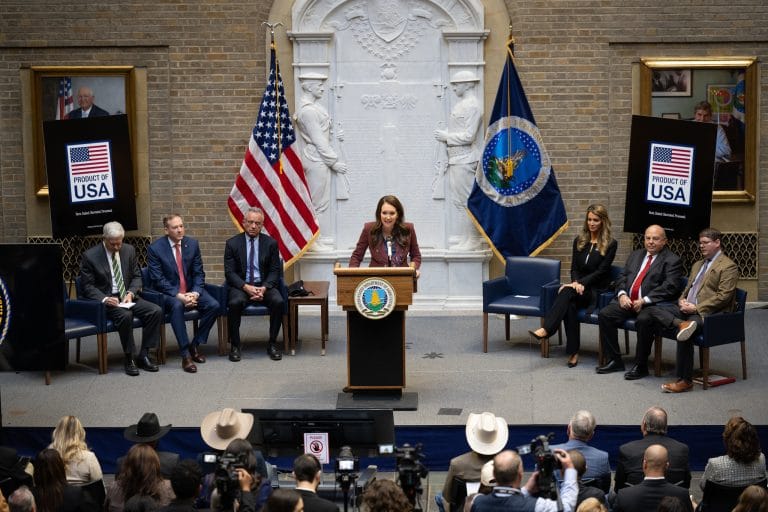
At a May 4 press conference, Acting Attorney General Todd Blanche said President Donald Trump asked the DOJ last November to investigate the costs and prices of beef, and as a result, the department has been actively investigating the cattle and beef industries. In December, Trump signed an executive order to investigate price-fixing in the food supply chain.
The purpose of the Monday press conference, Blanche said, was to talk about the investigation’s progress and to “hold meatpackers accountable,” though he did not specifically name companies. Through the DOJ’s investigation, the department has reviewed more than 3 million documents and contacted hundreds of ranchers, cattlemen and processors, Blanche said.
“Later this week, we will be announcing a historic settlement that will directly affect the prices of proteins like chicken, pork and turkey,” he said.
DOJ and USDA are working closely together to protect competition in agricultural inputs, but Blanche called on the public to share additional information about potential antitrust crimes such as price-fixing, bid rigging, market allocation or procurement fraud. Those who submit information through the DOJ’s Antitrust Division’s Whistleblower Rewards Program may be financially rewarded.
“Whether you’re a farmer, a purchaser, a processor—you can help protect food security in America by reporting these types of violations and potentially criminal conduct,” he said.
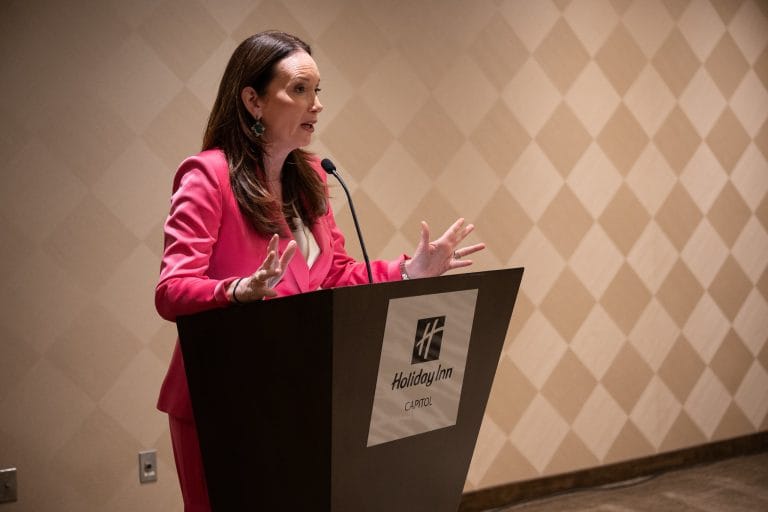
USDA Secretary Brooke Rollins also spoke at the news conference, highlighting challenges in the cattle industry, beginning by noting the lowest cattle herd inventory since the 1950s.
“We are making big changes to incentivizing the growth of our cattle herd and to get out of this current situation we’re in,” she said. However, she continued, consolidation in the meatpacking sector has led to four packers monopolizing about 85% of the processing market today.
“This has led to a frightening landscape for cattle ranchers,” Rollins said. “Industry consolidation reduces options for our ranchers looking to sell their cattle. It weakens their negotiating power and it risks reliance upon a single buyer.”
Rollins also addressed the foreign ownership of meatpackers. “More U.S.-owned packers in more American regions of the country provides more opportunities for our ranchers and stronger food security for our country,” she said. “This strengthens ranchers’ ability to market their cattle in a way that makes the most business sense to them. When small and midsize processors around the country succeed, the communities they serve and the ranchers they support will also succeed.”
White House senior trade adviser Peter Navarro also spoke at the conference, noting that Blanche’s allusion to an incoming settlement was about Agri Stats.
In 2023, the DOJ filed a civil antitrust lawsuit against Agri Stats, alleging anticompetitive practices in the chicken, pork and turkey industries. Agri Stats said the lawsuit threatens consumers because protein producers depend on Agri Stats’ reports to keep prices low.
“That case, I believe, is going to be settled well or at trial in a way which not only will take care of that problem, but implicate some of the bad actions that we’ve seen by the two American companies, Tyson and Cargill, and JBS on the Brazilian side along with National Beef,” Navarro said.
Shad Sullivan, Ranchers-Cattlemen Action Legal Fund, USA property rights chairman, represented the group at the press conference.
“Farmers, ranchers, and American consumers have suffered for too long at the hands of consolidated power,” Sullivan said. “Unrestrained market control by these powerful corporations has increased input costs for producers, decreased profitability, and forced many to become price takers. While at the same time, this market control drives up costs for consumers.”
At the closing of the press conference, officials were asked why a 2020 meatpacker investigation was closed last year, and what was different about the new investigation.
“These investigations, at the risk of saying the obvious, are difficult,” Blanche said. “I’m not going to explain or justify why a different administration shut down a different investigation, but this investigation, like we talked about, is being done, I assure you, for the right reasons.”
The upcoming Agri Stats settlement, Blanche continued, is going to “unleash a set of forces that are going to ripple through this industry rapidly and in a way which is going to allow us to get the bottom of this.”
Blanche said there is not a timeline for charges or a civil suit in the meatpacker investigation. — Anna Miller Fortozo, WLJ managing editor



1 Comment