For decades, the U.S. beef industry fought an uphill battle to increase consumer demand. Today, that story has changed.
Consumers continue buying beef despite historically high prices, creating one of the strongest demand environments the industry has experienced in decades, according to Dave Weaber, senior research analyst for animal protein at Terrain.
Weaber presented “New Heights in Beef Demand: Consumer Investment in the Beef Value Chain” during the 2026 Beef Improvement Federation (BIF) Symposium in Boise, ID, in June.
“I believe what’s going on in our business is transformational from an economic standpoint,” Weaber said. “The industry spent the last 50 years treading water.”
While tight cattle supplies and the smallest U.S. cow herd in decades have contributed to stronger cattle prices, Weaber said the larger story is consumers’ continued willingness to spend money on beef.
A changing consumer
One of the most important shifts in the beef industry has been consumers’ willingness to pay more for a consistently enjoyable eating experience. Weaber credited decades of genetic improvement, better management and industry efforts such as the National Beef Quality Audit with helping producers better understand what consumers value, especially taste and tenderness.
In the early 1990s, consumers were much more likely to encounter an inconsistent or disappointing beef-eating experience. Since then, the industry has increased the%age of cattle grading Choice and Prime while dramatically reducing the amount of Select beef in the marketplace.
Weaber said the COVID-19 pandemic also unexpectedly strengthened beef demand by changing how consumers prepared food at home.
“One good thing that came out of that was we taught consumers to cook really nice steaks at home,” he said. “I think we’re still reaping the benefits.”
Quality continues to pay
Consumer spending has increased across several beef categories, including Prime, branded and Choice products. Weaber said Prime beef is now available in more retail locations than it was in the past, and consumers continue purchasing more of it despite premium prices.
“The more we make, the higher the price goes,” he said. “That’s confounding for an economist.”
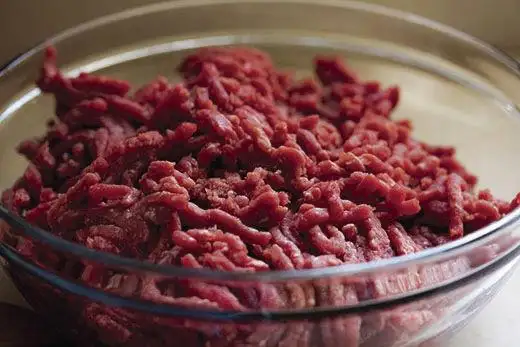
Weaber reported that Choice spending was up more than 16% year to date after posting double-digit gains during each of the previous three years. Ground beef remains another major driver of demand. Spending on trim and grind was up 23% year to date, following strong growth in previous years.
According to Weaber, roughly 80% of grocery customers who purchase beef buy ground beef. About half of those shoppers purchase only ground beef, rather than also buying steaks or roasts.
“They’re very consistent,” he said. “If they’re a one-pound-a-week buyer, they buy one pound.”
That consistency demonstrates the important role ground beef plays as a staple product and as beef’s primary competitor with pork and chicken in the retail meat case.
Weaber also challenged the idea that lower retail beef prices would automatically benefit cattle producers.
“The money in our business comes from one place,” he said. “If the retailer can’t raise price and you ask him to lower it, what are you eventually asking for? Lower calf prices.”
Strong consumer spending provides the revenue that ultimately moves back through retailers, packers, feedyards and cow-calf operations.
Weaber estimated recent growth in inflation-adjusted consumer beef spending translated into roughly $1,200 per head in additional value. In some cases, cow-calf producers have captured even more through historically strong calf prices.
Despite strong demand, the beef industry continues facing economic pressure. Packers have experienced extended periods of financial losses, feedyard breakevens are rising and processing capacity is adjusting to tighter cattle supplies.
Heavier carcass weights could also create challenges if packers begin applying larger discounts because of excess fat, labor requirements or reduced yield. Rebuilding the cow herd will add another complication. Retaining heifers reduces the number of cattle available for beef production before larger calf crops eventually reach the market.
“If we’re going to make this cow herd bigger, we’re going to make beef production smaller for the next 24 months,” Weaber said. “That’s an economic biological fact.”
For producers, the message is both encouraging and cautionary. Consumers continue demonstrating that they value beef and are willing to invest in quality. That demand has created opportunities across the beef value chain, but Weaber said producers should not become complacent. Higher revenues do not eliminate the need for careful financial management.
“If you don’t know your costs, that’s your first job,” he said.
The opportunity is to maintain consumer trust while managing costs, improving efficiency and producing cattle that deliver the eating experience consumers expect.
Access the 2026 BIF Symposium presentation archive, which is continuously updated, at bifsymposium.com. — Kaitlin Donovan for BIF