

Environmental groups are challenging federal agencies for the authorization of livestock grazing on public lands in Arizona and Wyoming.
A pair of environmental organizations filed suit at the end of July against the agencies for livestock grazing management in Arizona’s Gila Box Riparian National Conservation Area. Separately, a coalition of environmental groups in early August also announced their intent to sue federal agencies for authorizing grazing in Wyoming’s Bridger Teton National Forest.
Arizona lawsuit
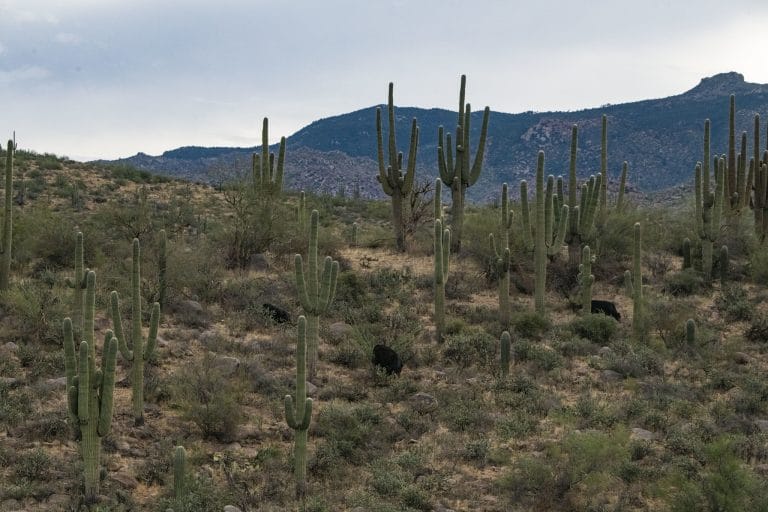
The Center for Biological Diversity (CBD) announced its intent to sue the Bureau of Land Management (BLM) and the U.S. Fish and Wildlife Service (USFWS) earlier this spring. In its July 31 lawsuit, joined with Maricopa Bird Alliance, the group said it is suing to end “years of damage from unlawful cattle damage” to endangered species habitat within southeastern Arizona.
“This lawsuit is the direct result of years of federal neglect that have allowed illegal cattle grazing to trash southeastern Arizona’s desert streams and devastate endangered species,” said Chris Bugbee, CBD Southwest conservation advocate.
The lawsuit challenges BLM’s reliance on USFWS’ 2024 biological opinion to authorize livestock grazing within the Gila District, including near the 23,000-acre Gila Box Riparian National Conservation Area. The groups allege that livestock have grazed outside authorized areas, causing damage to riparian areas.
The litigation claims that CBD has documented damage from cattle to critical and occupied habitat for endangered species, including yellow-billed cuckoos, southwestern willow flycatchers, spikedace, loach minnows, razorback suckers, Gila chub, Gila topminnows, Chiricahua leopard frogs, northern Mexican and narrow-headed garter snakes, and acuña cactus.
“Of all riparian critical habitat surveyed, 85% (2070.9 miles—roughly the distance between Detroit and San Francisco) were damaged by livestock grazing,” according to the complaint.
The lawsuit is the latest in a series of legal challenges dating back to 2021, when groups first filed suit over the area. Environmentalists have argued that federal agencies rely on biological opinions that downplay the impacts of livestock grazing.
Wyoming lawsuits
On Aug. 6, four environmental groups submitted 60-day notice that they planned to sue USFWS and the U.S. Forest Service for authorizing cattle grazing on the Elk Ridge Complex in Wyoming’s Bridger-Teton National Forest.
Yellowstone to Uintas Connection, Sage Steppe Wild, Alliance for the Wild Rockies and Native Ecosystems Council allege in court documents that the agencies are in violation of the Endangered Species Act (ESA) for authorizing cattle from the Upper Green River allotment to enter the vacant Elk Ridge Complex. The 30,000-acre Elk Ridge Complex is partly within the Gros Venture Wilderness of the Greater Yellowstone Ecosystem.
Plaintiffs argue that allowing cattle to graze the area could repeat past conflicts between livestock and grizzly bears and increase risks to the bear population.
“Authorization of livestock grazing without adequate ESA consultation increases the risk of livestock depredation, management removal of grizzly bears, displacement of bears, human–bear conflicts, and other adverse effects,” the complaint read.
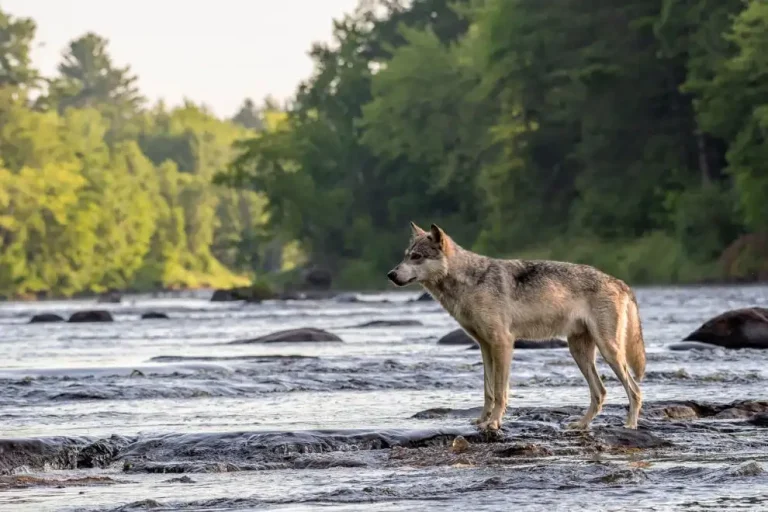
The Elk Ridge Complex has been vacant for about a decade following the removal of domestic sheep after significant grizzly bear and wolf predation, according to court documents. The 2026 Upper Green River Annual Operating Instructions allows cattle to graze the Elk Ridge Complex from Aug. 15 through Oct. 15 to assist with livestock distribution and restoration of areas burned by wildfire.
The suit seeks the suspension of cattle grazing on the Elk Ridge Complex, the disclosure of documents used to make the grazing authorization, and new consultations regarding livestock impacts to grizzly bears in the area, such as authorized take.
On Aug. 12, Western Watersheds Project (WWP) filed a lawsuit of its own, seeking a temporary restraining order against the grazing authorization.
“Putting up to 325 cows into a place where the native wildlife—from elk and mule deer to wolves and grizzly bears—have had the freedom to roam in undisturbed habitats for the last decade is a recipe for renewed conflict,” said Erik Molvar, WWP executive director. “The Forest Service is all but shoving cattle down grizzlies’ throats, and we know what happens when there is livestock conflict: The bears will die.”
The litigation effort was launched with a grant from Large Carnivore Fund, a 501(c)(3) wildlife conservation nonprofit based in the greater Yellowstone ecosystem, WWP acknowledged. — Anna Miller Fortozo, WLJ managing editor



2 Comments