
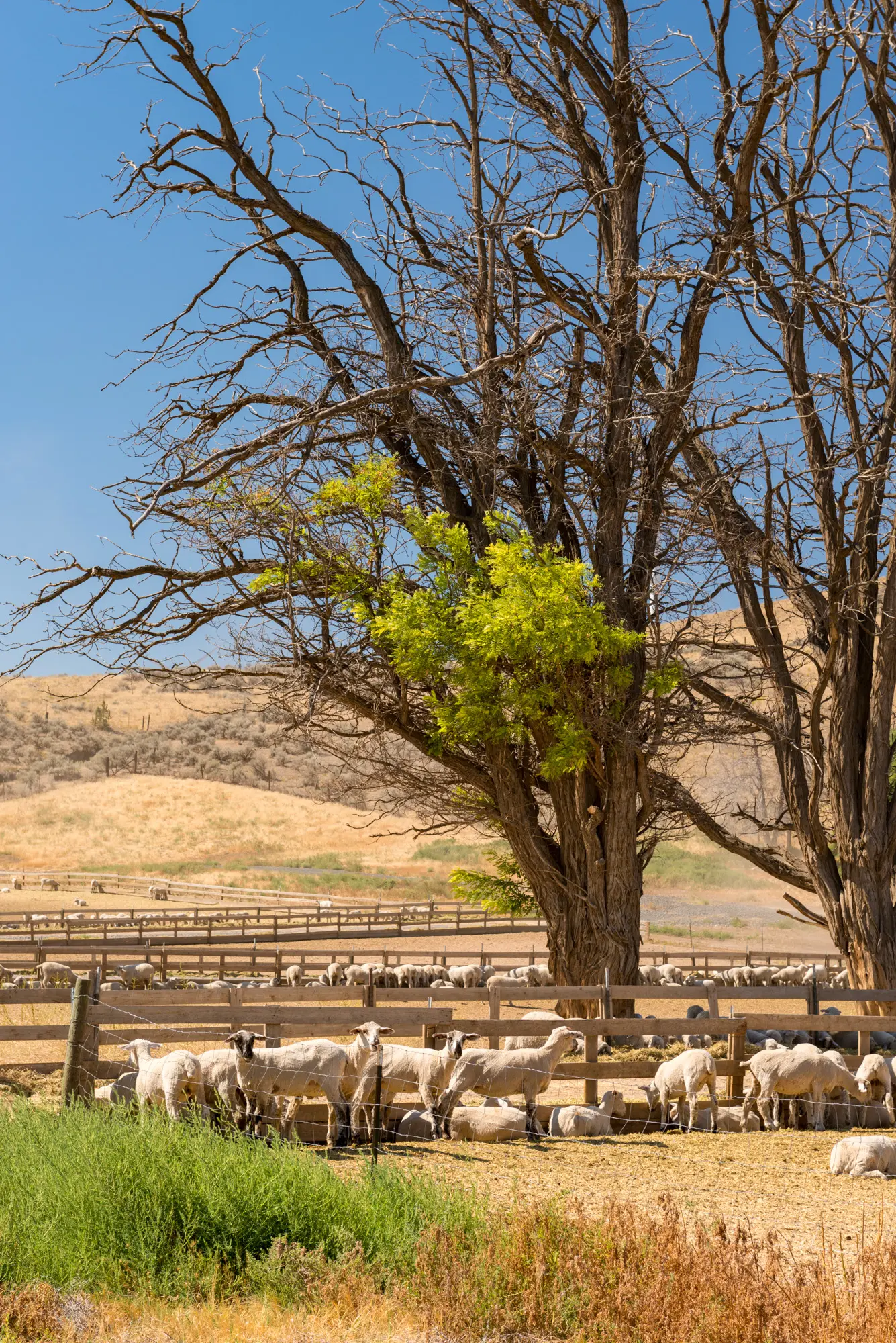
The U.S. sheep industry moved a step closer to securing trade relief after the Office of the U.S. Trade Representative (USTR) formally requested that the U.S. International Trade Commission (ITC) investigate whether rising lamb imports have caused serious injury to domestic producers.
In a July 13 letter to ITC Chairman David S. Johanson, USTR Ambassador Jamieson Greer requested a global safeguard investigation under Sections 201 and 202 of the Trade Act of 1974, asking the commission to determine whether imported fresh, chilled and frozen lamb meat has entered the U.S. in such increased quantities that it has substantially contributed to financial harm within the domestic sheep industry. The request covers imports from all countries and does not impose tariffs or other trade restrictions.
The move follows an October 2025 petition filed by the American Sheep Industry Association (ASI) representing its 42 state affiliates and more than 100,000 sheep farms and ranches. The organization contends that a surge in imported lamb has taken market share from U.S. producers, driven down prices and weakened the financial health of domestic sheep operations.
“This milestone was no accident,” said ASI President Ben Lehfeldt. “It has been through the hard work of ASI state member leaders, ASI Legislative Action Council, ASI staff, and sheep producers throughout the country that we reach this point.”
Imports dominate market
According to ASI, U.S. lamb imports increased from 213.6 million pounds in 2020 to 309.3 million pounds in 2024, an increase of nearly 45%. By last year, imported lamb accounted for about 70% of the U.S. market. ASI said imported product sold for an average of 10.8% less than domestic lamb, with some price differences approaching 19.5%.
ASI contends those pricing disparities have displaced domestic production, reduced profitability and placed many American sheep operations under financial strain. ASI Executive Director Mike Michener said the investigation recognizes broader concerns beyond individual producers.
“A healthy U.S. sheep industry supports rural communities, strengthens domestic supply chains, and helps ensure the United States retains the capacity to produce high-quality American lamb here at home,” Michener said. “This action also helps protect America’s domestic food supply at a time of growing global uncertainty.”
If the ITC determines imports are a substantial cause of serious injury, it can recommend remedies to President Donald Trump, including tariffs, tariff-rate quotas or other temporary import restrictions intended to give the domestic industry time to adjust.
The commission will collect written submissions, hold a public hearing and issue its determination within the statutory timeline, generally 120 days after receiving the request.
Trading partners respond
The investigation has drawn immediate responses from Australia and New Zealand’s sheep industries, which together supply most imported lamb consumed in the U.S.
The Australian Meat Industry Council (AMIC) said it would work with exporters, processors and the Australian government to defend Australia’s position during the investigation.
AMIC CEO Tim Ryan said Australian exporters have spent decades building relationships with U.S. customers while supplying lamb that helps fill year-round demand beyond what domestic producers can provide. He said imported lamb plays an important role in maintaining a consistent supply for American consumers and noted the investigation covers imports from all countries, not just Australia.
Sheep Producers Australia and Meat & Livestock Australia offered a similar view, saying Australian lamb complements rather than competes directly with U.S. production. The organizations also pointed to their long-term investments in marketing programs designed to increase lamb consumption in the U.S., arguing that stronger consumer demand benefits both American sheep producers and Australian exporters.
Beef + Lamb New Zealand similarly said it has retained legal counsel in Washington, D.C. and is coordinating with the New Zealand government and meat industry representatives in preparation for the investigation. The organization maintains there is no legitimate basis for safeguard action, arguing New Zealand exports fill supply gaps rather than compete directly with domestic production.
According to Politico, Greer recently met with Utah sheep producers during a roundtable at Skyline Sheep Company after directing the ITC investigation.
Utah producer Carson Jorgensen, who helped organize a letter urging USTR to pursue the case earlier this year, said Greer emphasized rebuilding American manufacturing and protecting domestic agriculture while addressing trade deficits. Jorgensen also noted Greer has consistently expressed support for using tariffs when appropriate. — Charles Wallace, WLJ contributing editor




2 Comments