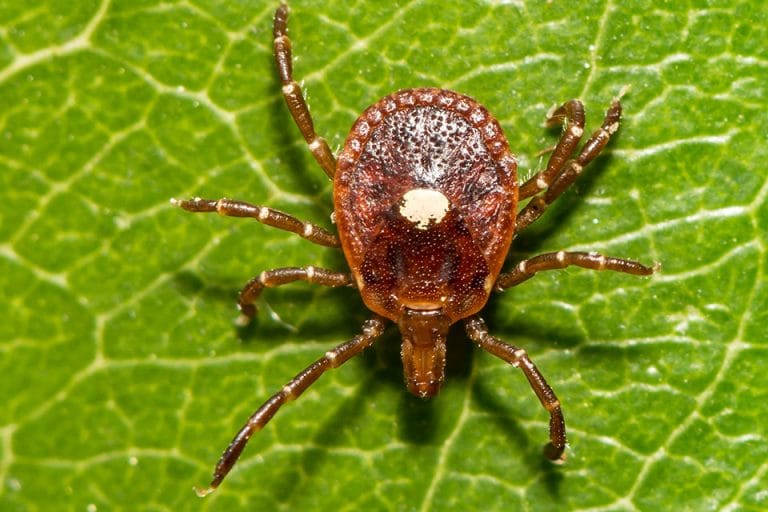
Farmers and ranchers in a Journal of Agromedicine study said it took nearly three medical visits, on average, to find out they had alpha-gal syndrome, an allergy to mammalian products that can develop after a tick bite.
The study drew responses from 201 producers in 26 states, with Missouri and Oklahoma accounting for the most responses. Nearly all (95%) said they checked regularly for tick bites, and 68% knew a bite could lead to a food allergy. Fewer than half (46.8%) had heard of alpha-gal syndrome before they were diagnosed. More than 85% reported symptoms daily or weekly, most often abdominal cramps, diarrhea, itchy skin and nausea.
The researchers called for greater awareness among farmers, ranchers and rural health care providers.