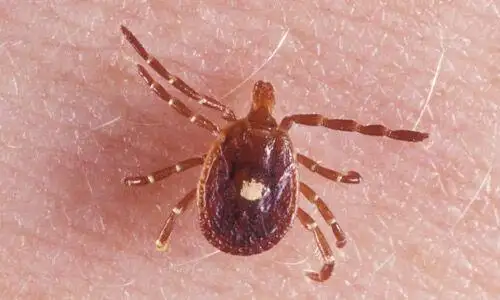
As tick activity rises in spring, University Products urges veterinarians to prioritize early vaccination against bovine anaplasmosis to protect cattle health, reduce disease severity and prevent economic losses in beef and dairy herds. With the disease becoming more prevalent in many regions, timely administration of the anaplasmosis vaccine is essential to protecting herd health and maintaining cattle productivity.
Anaplasmosis is a tick-borne bacterial disease that poses a serious threat to cattle health, causing anemia, weight loss, reduced milk production, and, in severe cases, death. Beyond animal welfare concerns, the disease carries significant economic consequences for ranchers and the livestock industry. Early spring represents the optimal window for vaccination, allowing cattle to develop protective immunity before exposure risks peak.
“Spring is a critical time for preventive care in livestock management,” said Dr. Ashlanne Luther, veterinarian and technical advisor for University Products. “Our anaplasmosis vaccine is designed to provide strong immune protection, helping reduce disease severity and support overall herd health. We strongly encourage veterinarians to include this vaccination as part of their spring herd health protocols.”
The anaplasmosis vaccine requires two doses during the first year, followed by a single annual booster in subsequent years. The second dose should be administered four weeks after the first. Protective immunity typically develops within seven to 10 days following the second vaccination. By following this vaccination protocol, veterinarians can significantly reduce the incidence and impact of anaplasmosis, resulting in healthier herds and improved farm profitability.
Veterinarians play a vital role in educating producers about the importance of timely vaccination. The anaplasmosis vaccine is a key component of a comprehensive preventive health strategy.
“We are committed to supporting veterinarians with products that meet the highest standards of quality and performance,” Luther added. “Our mission is to work alongside animal health professionals to promote preventive solutions that enhance both animal welfare and the economic sustainability of livestock operations.”
In addition to offering a proven vaccine, University Products provides extensive resources to assist veterinarians and producers in managing anaplasmosis risk. These include detailed product literature, vaccination schedules and access to expert support. Through proactive planning and early vaccination, veterinarians can help protect cattle during the critical spring season and throughout the year.
University Products encourages veterinarians to review the latest guidelines on bovine anaplasmosis vaccination and to contact the company for additional information or to place an order. Early preparation and timely vaccination remain central to effective livestock health management and disease prevention. — University Products