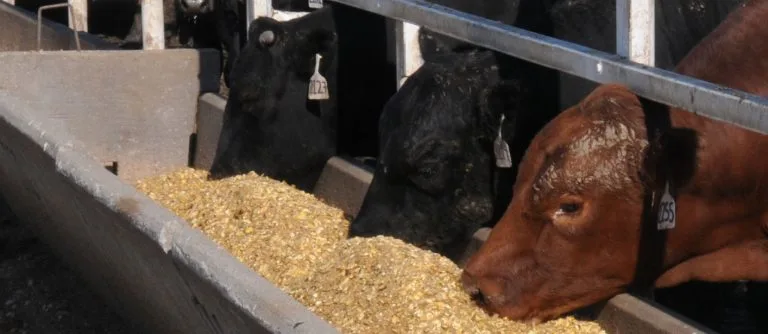
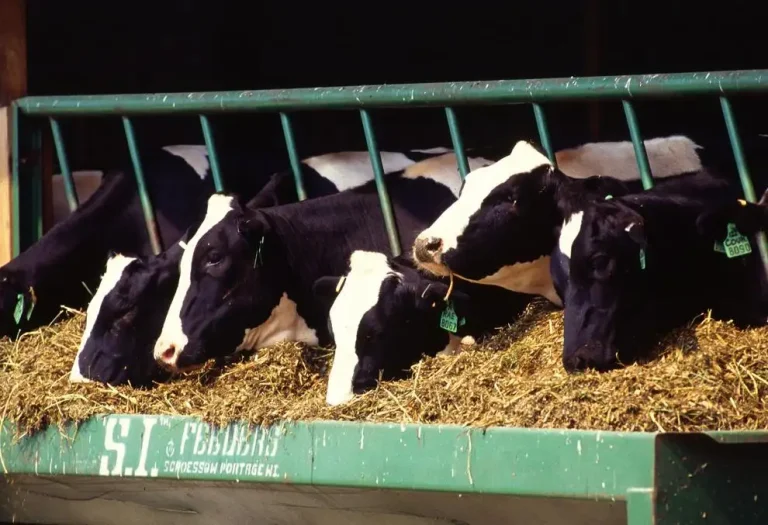
Two components are necessary for cyclical herd rebuilding: decreased beef cow culling and increased heifer retention. Decreased cow culling is mostly about slowing herd liquidation and stabilizing cow inventory at the cyclical low. From that point, increased heifer retention provides the means to expand beef cow inventories. The first part of that process is in place. Beef cow culling dropped from a record high of 13.19% in 2022 to a projected record low of 7.35% in 2026. Current projections are for 2026 beef cow slaughter to be down over 48% from the 2022 levels.
However, the heifer retention component has been very slow to develop. Both the January and July 2026 Cattle reports showed a slight increase in beef replacement heifers … but not enough to suggest herd growth. In fact, four years of decreased cow culling means that more old cows in the herd will have to be replaced relatively soon.
It appears that a minimum of 200,000 head of beef replacement heifers are likely to be needed in the next year just to maintain the current herd. The January data showed an increase of 41,700 head and the July report showed a 100,000 head increase in beef replacement heifers. Neither is enough to indicate herd rebuilding.
Between the semi-annual inventory data, the best indication of heifer dynamics is weekly and monthly slaughter data. Through the first three quarters of 2026, heifer slaughter is down over 11% year over year; down more than twice as much as steer slaughter is down. Figure 1 shows that heifer slaughter is decreasing faster recently. The sharp drop in monthly heifer slaughter (orange line) in the last couple of months may be a stronger indication of heifer retention.
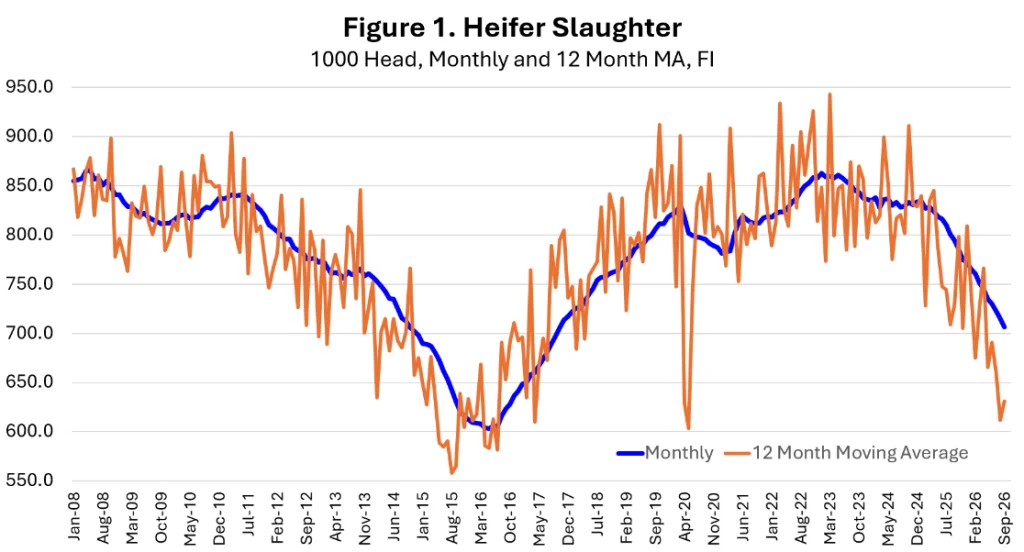
Both beef and dairy heifers are included in heifer slaughter data. The decrease in heifer slaughter could reflect heifer retention in either or both sectors. The July inventory data showed an increase in both beef and dairy replacement heifers. There are indications that both sectors are trying to retain replacement heifers, and both could be contributing to decreased heifer slaughter.
Additionally, heifer slaughter is down, in part simply because there are less cattle being slaughtered and less cattle to slaughter.
Figure 2 provides a relative comparison of heifer slaughter as a percent of total fed cattle slaughter. A decrease in this percentage indicates that heifer slaughter is decreasing faster than the general decrease in cattle slaughter. On average, heifer slaughter has been 37.8% of fed slaughter for the past 12 months, down from the peak of 40.1% in late 2023.

All in all, there are indications of a modest increase in heifer retention in 2026, perhaps accelerating late in the year. Nevertheless, prospects for herd growth going into 2027 remain limited with growth beyond 2027 yet to be confirmed. — Derrell S. Peel, Oklahoma State University Extension livestock marketing specialist