
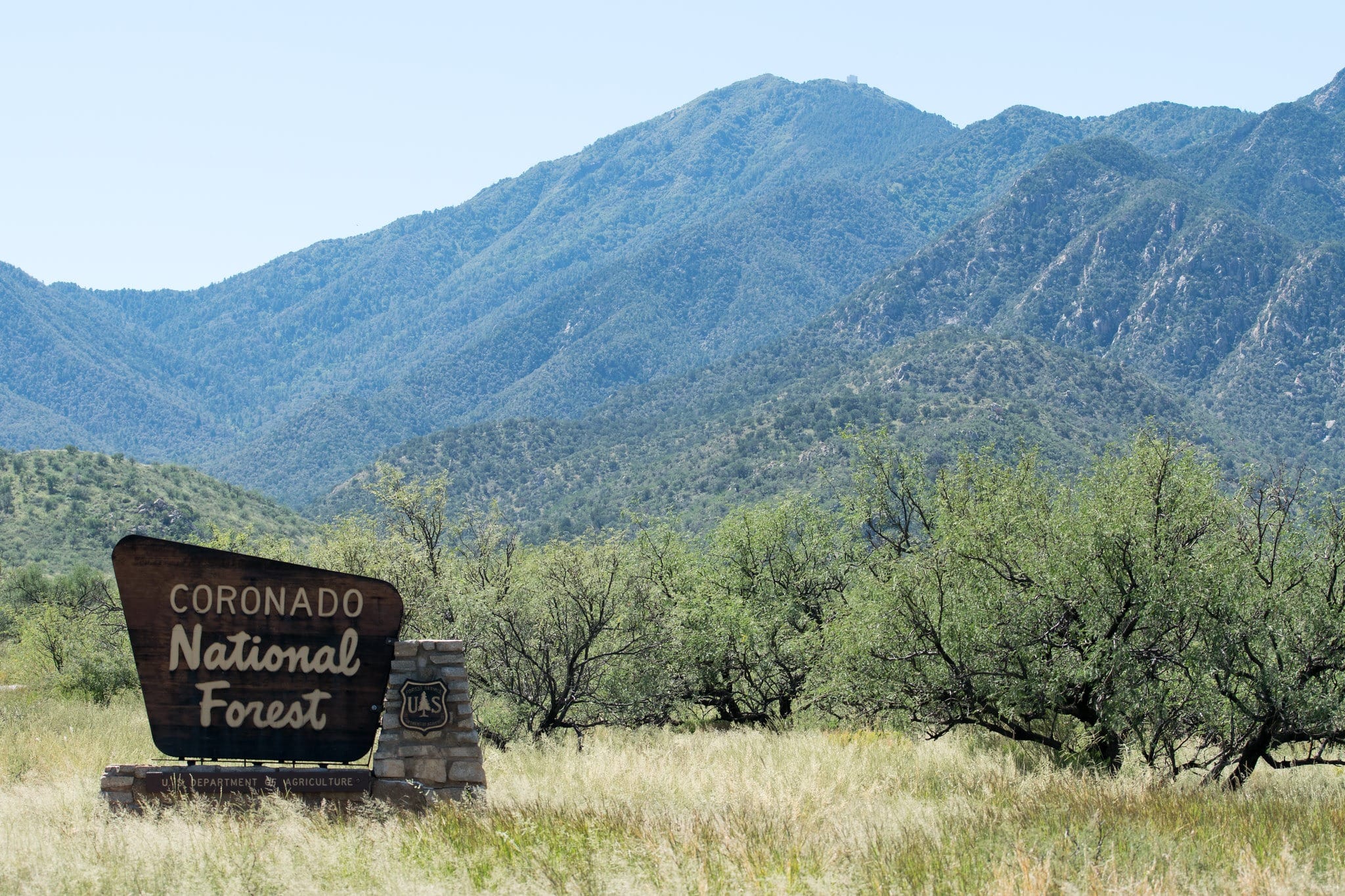
A federal judge has ruled that federal agencies failed to establish adequate standards for measuring harm to two threatened species from livestock grazing in Arizona’s Coronado National Forest, while allowing most of the government’s broader grazing analysis to stand.
U.S. District Judge Angela M. Martinez granted part of a challenge brought by the Center for Biological Diversity and Maricopa Audubon Society, now known as Maricopa Bird Alliance, over a 2021 U.S. Fish and Wildlife Service (USFWS) biological opinion used by the U.S. Forest Service (USFS) to authorize grazing in the Coronado National Forest.
The ruling focused on the biological opinion’s incidental take statements for the threatened Sonora chub and Chiricahua leopard frog. Martinez found the standards failed to provide clear limits for determining when harm to the species would require the agencies to reinitiate consultation under the Endangered Species Act (ESA).
However, the decision was narrower than the environmental groups had sought. The court rejected their other claims, including challenges to USFWS’ conclusions that grazing was not likely to jeopardize the chub, frog or threatened yellow-billed cuckoo or adversely affect their critical habitat. The judge also rejected claims that the agencies improperly declined to reopen consultation based on evidence submitted after the biological opinion.
Background
The Coronado National Forest grazing program includes 177 allotments covering about 1.47 million acres, or roughly 90% of the forest. According to court documents, in 2019, USFS determined the grazing program was likely to adversely affect eight federally listed species, prompting formal consultation with USFWS.
Following two years of consultation, USFWS issued its biological opinion in September 2021, concluding grazing would not jeopardize the continued existence or critical habitat of the Sonora chub, Chiricahua leopard frog or yellow-billed cuckoo. At the same time, USFWS determined grazing was likely to result in incidental take of the chub and frog.
The environmental groups filed a lawsuit in 2023 challenging the biological opinions, arguing USFWS and USFS relied too heavily on forage utilization standards that measure the grazing program rather than the conditions needed by protected species.
They asked the court to halt livestock grazing, vacate the biological opinion and grazing authorizations, and require the agencies to conduct new ESA consultation. The lawsuit alleged the forage standards were not tied closely enough to the biological needs of the species or to determining when allowable take had been exceeded.
Martinez’s opinion
Martinez’s ruling focused on whether the incidental take statements set clear standards for determining when grazing caused too much harm to the Sonora chub and Chiricahua leopard frog.
For the Sonora chub, USFWS used habitat conditions as a substitute for counting individual fish because the species can be difficult to detect. One standard relied on whether livestock use exceeded authorized forage utilization levels during two of three monitoring events. Court documents show the biological opinion acknowledged that all Sonora chub outside livestock exclosures could be harmed by grazing.
Martinez found those standards were not sufficiently tied to impacts on the fish.
The judge noted the fencing and forage utilization requirements were based on grazing program metrics “created to monitor the program’s goals and not to assess the chub’s status.” Under those standards, Martinez said, all chub within 1.2 miles of affected stream habitat potentially could be harmed without triggering renewed consultation.
The court found a similar problem with the Chiricahua leopard frog. Although the biological opinion tied allowable take to habitat conditions important to the frog, it required impacts to be directly attributable to livestock grazing or livestock management without explaining which agency would make that determination, what measurements would establish causation or how USFS would report the effects.
Martinez concluded the frog standard lacked the clear, objective benchmark required under the ESA.
Chris Bugbee, the Center for Biological Diversity’s conservation advocate, said the ruling should require agencies to more directly connect grazing management with the needs of protected species and their habitat.
“This order will force federal agencies to adopt long-overdue, science-based protections that keep cows out of the waters and streambanks endangered animals need to survive,” Bugbee said. “For years cattle have been allowed to trash the Coronado’s streamside habitats. I’m hopeful this marks a new day for the forest’s endangered wildlife.”
The ruling does not immediately end grazing in the Coronado National Forest. Martinez granted the plaintiffs summary judgment only on the incidental take statements for the chub and frog and denied the remainder of their motion. The agencies and the Southern Arizona Cattlemen’s Protective Association, which intervened in the case, prevailed on the remaining claims.
Martinez also stopped short of immediately vacating the 2021 biological opinion. Federal defendants have until Sept. 1 to submit arguments on the appropriate remedy, while the plaintiffs have until Sept. 14 to respond. — Charles Wallace, WLJ contributing editor




2 Comments