The Center for Biological Diversity is challenging the federal government for its plan to expand livestock grazing across the West.
The lawsuit filed in the U.S. District Court for the District of Oregon alleges the Department of the Interior, USDA, Bureau of Land Management (BLM) and U.S. Forest Service (USFS) violated the Endangered Species Act (ESA) with their Grazing Action Plan announced last fall.
As part of the plan, federal agencies agreed to streamline and expand grazing on federal lands. In March, the USDA, USFS and BLM signed a memorandum of understanding (MOU) to “strengthen coordination, cut bureaucratic red tape, and deliver immediate, tangible support for America’s farmers and ranchers who rely on public lands.”
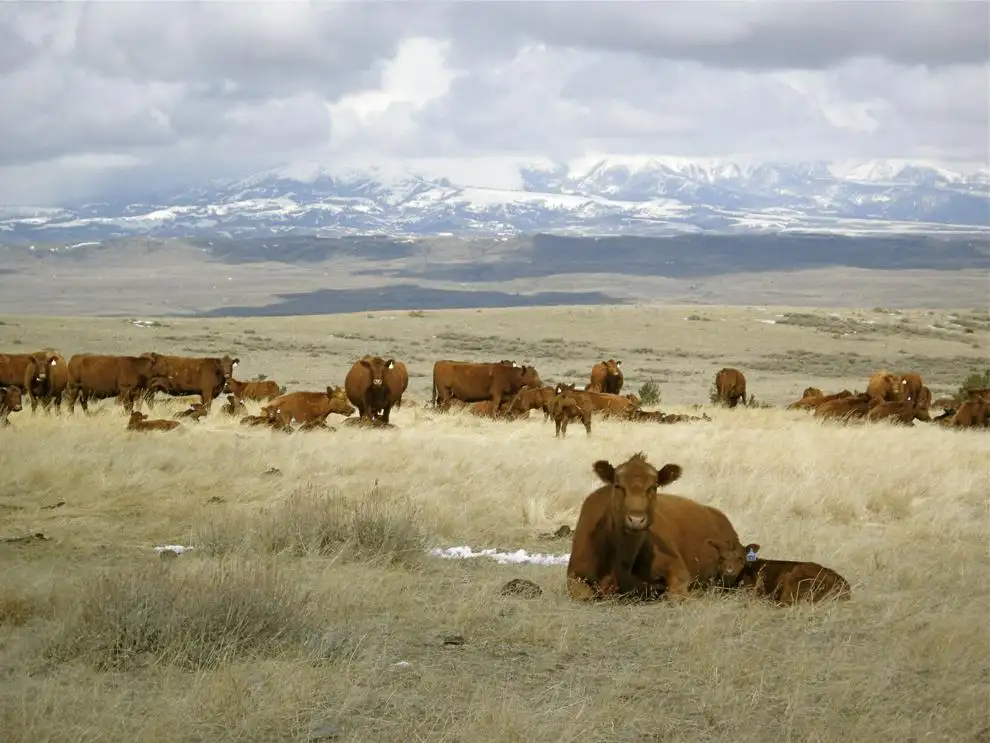
The agencies estimated that about 10% of grazing allotments, or approximately 24 million acres, are not currently under permit but offer opportunities for more grazing.
The Center for Biological Diversity alleges the agencies violated federal law by approving the grazing plan without consulting the U.S. Fish and Wildlife Service (USFWS) and National Marine Fisheries (NMFS) about protected species and critical habitat. The group argues that expanding grazing opportunities opens up land to where cattle were previously not allowed for a reason.
“The Trump administration is again putting America’s wildlife and public lands at risk by catering to the livestock industry, so we’re suing to make sure our nation’s most vulnerable wildlife don’t pay the price,” said Andrea Zaccardi, carnivore conservation legal director at the Center.
Lawsuit details
The environmental group, alongside a private citizen, argue in their lawsuit that the plan would open up critical habitat necessary to recover endangered species, and also target sensitive landscapes.
The Center for Biological Diversity contended that the government’s plan to expand grazing access will potentially harm Oregon spotted frogs, Snake River Basin steelhead, bull trout, razorback suckers, Colorado pikeminnow, loach minnows, spikedace, Mexican spotted owls, western yellow-billed cuckoos and Gunnison sage-grouse across the West.
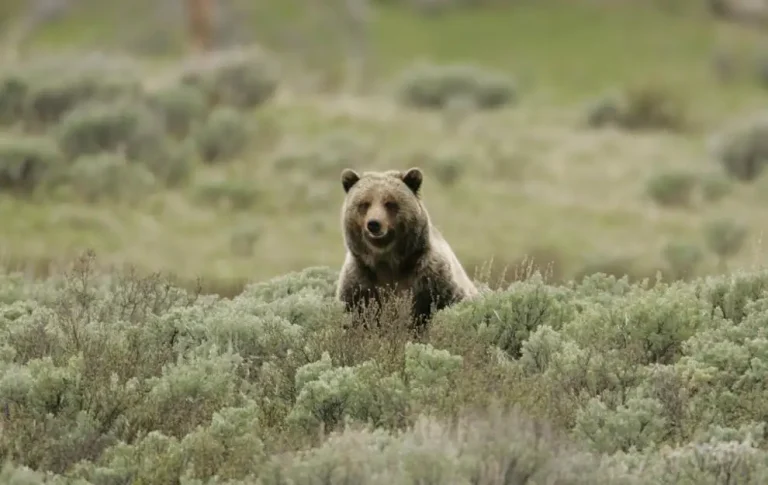
In addition, the lawsuit cites concerns with predatory wildlife. “Expanding grazing on federal public lands risks harming important carnivores like grizzly bears and wolves who are too often killed because of conflicts with livestock,” the group said.
The lawsuit continues that without completing the consultation section of the ESA, the agencies have “irretrievably committed resources and foreclosed the formulation or implementation of any reasonable and prudent alternative measures” in violation of the ESA.
The group asks the court to declare the federal agencies in violation of the ESA, vacate and set aside the Grazing Action Plan and MOU, order the agencies to consult with USFWS and NFMS under the ESA, and enjoin the agencies from taking additional steps to implement the grazing plan.
Grazing plan support
USDA launched the grazing plan in late October 2025 as part of an effort to strengthen the U.S. beef industry. The department noted that the U.S. has lost 17% of family farms since 2017 while the national herd is at record lows amid increasing beef demand.
“Because increasing the size of the domestic herd takes time, the USDA is investing now to make these markets less volatile for ranchers over the long term and more affordable for consumers,” USDA Secretary Brooke Rollins said at the time.
As part of the plan, the agencies highlighted three priorities:
• Protect and improve the business of ranching.
• Expand processing, consumer transparency and market access.
• Build demand alongside domestic supply.
Ranching groups have been in favor of the efforts. The National Cattlemen’s Beef Association and Public Lands Council (PLC) said they were part of a roundtable with the federal agencies discussing challenges for public lands grazing permittees.
“By speeding up the permitting process and expanding the use of targeted grazing, the federal government is ensuring that more ranchers will keep ranching and that rangelands will face less degradation and destruction from wildfires and mismanagement,” said PLC President Tim Canterbury in March following the MOU’s announcement.
Ranchers-Cattlemen Action Legal Fund USA (R-CALF) concurred, with R-CALF USA Property Rights Chair Shad Sullivan saying the efforts to expand grazing opportunities will be critical to strengthening the U.S. cattle industry. — Anna Miller Fortozo, WLJ managing editor