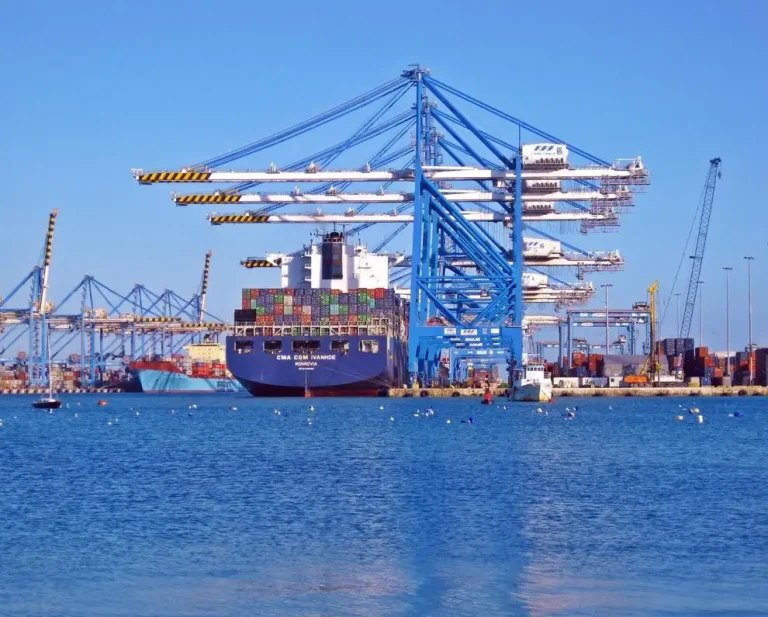
International trade was a major topic at this year’s CattleCon (9,500-plus in attendance), with USMEF CEO Dan Halstrom noting that volume was down, because the supply was down. But American beef demand has never been so strong, he said, and value was up, despite the higher price points. But there is competition out there gunning for our market share, he warned. That makes the work the U.S. Meat Export Federation (USMEF) has been doing for years to develop new markets even more important.
No access to the Chinese market not only cuts out the billions of pounds they have been buying, but the absence of their bids significantly affects the market in general, and the Asian region in particular. That absence has decreased the value for fed cattle by $150-165/head. Total fed cattle export boost is now $392, down from $449 in 2022. The grey market that used to route American beef transshipped through other countries into China when there was no official access no longer exists.
The New World screwworm situation has not changed appreciably. Those tuned into the politics and the disease control aspects are not hopeful for any near-term border opening. CattleFax is penciling in access later in the year, but there is certainly no guarantee. The National Cattlemen’s Beef Association (NCBA) was complimentary of USDA’s efforts to avert disaster and Mexico has been working very hard to regain control of things. But no one has discovered any magic bullet and the lack of feeder cattle supply will hurt both total beef supplies and cattle for southwest cattle feeders for some months to come.
CattleFax documented the strong demand for beef from American consumers. Some of us remember selling more beef for less money for years. Now, it isn’t a mirage that we are selling less beef for more money. But there are some factors to consider. We have gone from producing 1-2% Prime to 12% Prime. Dale Earnhardt Jr. was only half joking when he said in NASCAR thinking that when he hears “innovating,” he thinks “cheating.” Crew chiefs are supposed to read the rulebook and figure out how to bend the rules—or break them and not get caught. The industry is bending the rules a bit, although without breaking any. We need tonnage. So, we’re feeding steers longer: 190-plus days on average. We’re averaging 873-pound carcasses. That’s worth a couple million head in beef production. Some of that 190-day average is due to the dairy industry taking advantage of an income stream never before this profitable. But those animals finish slower.
All our bigger animals are pushing the limits of the supply line. Years ago, yield grade 4s and 5s were the bane of the industry—except country cafes or discount steakhouses. Today, all those Prime carcasses are coming at the expense of 25% yield grade 4s and 5s in our production stream. Of course, better genetics have enabled those 4 and 5 carcasses to be a couple hundred pounds heavier these days. But that’s a little a bit of “cheating” we’re going to have to fix in case feed gets more expensive again. Which brings up the topic of something lean to grind with all that yield grade 4s and 5s trim. CattleFax is estimating we imported 5.5 billion lbs. of lean beef in 2025. John Nalivka estimated that somewhere near 40% of the grinding beef supply has been imported. Other calculations have put it at bigger numbers.
Regardless, the point is those that would have us import no lean beef would short our needs by 40% or more. The Meat Import Council of America figures Americans eat 50 billion beef burgers per year. What would happen to the burger prices, the prices of meatloaf and casseroles and meatballs and a dozen other dishes Americans love if we reduce our supply by 40%? This is beef harvested and processed under USDA or USDA-equivalent inspection. American families depend on ground beef as their budget, convenience and versatile source of delicious, nutritious protein.
Bottom line: our ground beef is so good that demand for it exceeds the supply we can provide domestically by a large margin. The industry has worked very hard to improve and maintain demand for a great product. We must keep our customers satisfied. However, this must be by private companies making use of available access, from countries abiding by objective science-based standards for guarding against foreign animal diseases. Robert F. Kennedy Jr. told cattlemen to keep producing more beef, but he is against importing beef. We have a lot of educating yet to do. — Steve Dittmer, WLJ columnist
(Steve Dittmer is the author of the Agribusiness Freedom Foundation newsletter. Views in the column do not necessarily represent the views or opinions of WLJ or its editorial staff.)