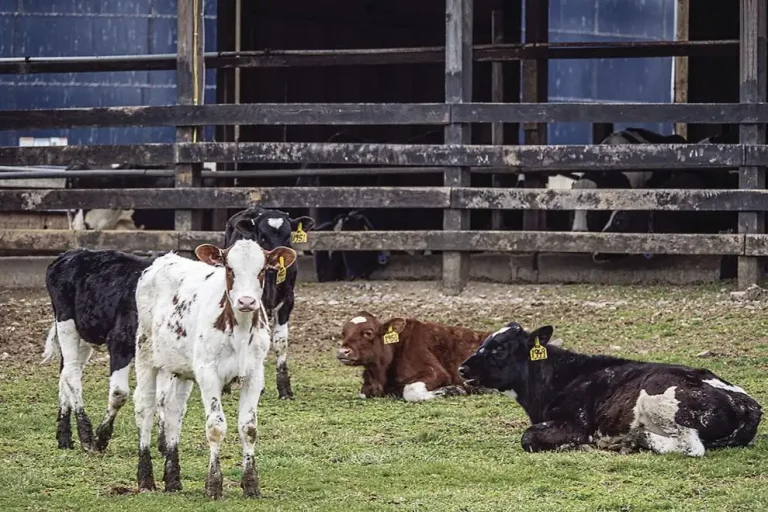
New research from Penn State University highlights the risks posed by salmonella Dublin, a subtype that causes severe infections in cattle and humans.
Published in Applied and Environmental Microbiology, the study analyzed 2,150 genome sequences from cattle, humans and environmental sources collected between 2002 and 2023. Results showed bovine strains carried the highest levels of antimicrobial resistance genes, particularly against tetracycline, sulfonamide and beta-lactam antibiotics, as well as plasmids with multiple resistance traits. Researchers found high genetic similarity across sources, underscoring the zoonotic connection.
Senior author Erika Ganda said salmonella Dublin is “highly connected across humans, animals and the environment,” calling for bio-surveillance and antimicrobial stewardship across all sectors.