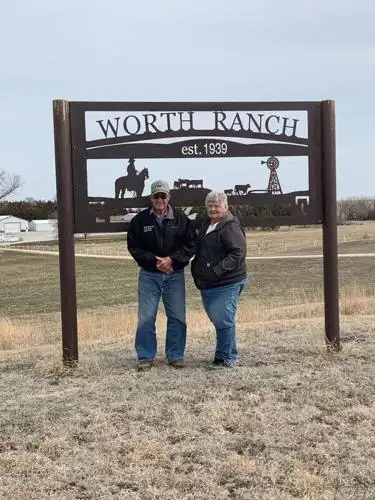
Worth Ranch of Springview, NE, is the recipient of the 2024 Nebraska Leopold Conservation Award.
The award honors farmers, ranchers, and forestland owners who go above and beyond in their management of soil health, water quality and wildlife habitat on working land.
Cork and Janet Worth raise beef cattle and own the 8,000-acre Worth Ranch in Keya Paha County. The Worths will be presented with $10,000 and a crystal award at the Alliance for the Future of Agriculture in Nebraska (AFAN) annual meeting in November.
Sand County Foundation and national sponsor American Farmland Trust present Leopold Conservation Awards to private landowners in 27 states. In Nebraska, the award is presented with AFAN, Cargill and the Nebraska Environmental Trust.
When Malvern “Cork” Worth purchased his first piece of land in 1962, he recognized the need for change.
The 1,424 acres in Keya Paha County was a far cry from the productive grassland it is today. It had been overstocked with beef cattle and horses with poor fencing and water distribution.
Cork’s intuition told him his cattle needed to be rotated through more than one pasture during the grazing season. He would embrace and improve upon that concept once he and wife Janet began practicing managed grazing in the 1970s.
“Ten acres to the cow, and never take more than 50% of the grass in a given year” was the hard-and-fast stocking rate they established. This simple yet stern method of grazing management has created a resilient deep-rooted plant community that can rapidly recover from drought.
“We could have run more cattle over the years but trying to squeeze every last productive dollar out of your grazing resource year after year is a recipe for failure,” Cork explained.
The Worths saw growing native prairie and perennial grass as the best use of their land from economic and environmental standpoints. With grass their only marketable commodity they stopped raising hogs, sheep and dairy cattle to focus solely on Angus beef cattle.
“We wanted to develop some of the best Angus cattle in the industry, and it wasn’t even a question that we had to have the best grass resource to do this,” Janet said.
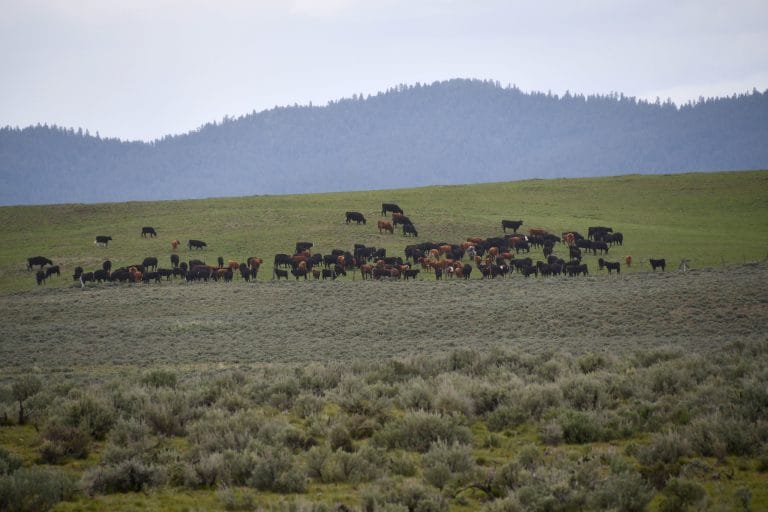
As the Worths expanded their ranch to 8,000 acres they installed a livestock water pipeline system and cross fencing that allows them to move cattle between 40 pastures. Each has two water tanks fed by a combination of electric submersible wells, windmills and solar wells. The rotational grazing system has created a mosaic of habitat types for beneficial pollinators, turkeys, grassland birds and deer.
More than 22,000 trees have been planted on Worth Ranch since 1971. Trees control wind erosion, enhance wildlife habitat, and provide livestock protection in the form of shelter belts. Drip irrigation and mulch to conserve water were added on several of the belts to encourage growth and vigor of trees. There’s also hardly a noxious weed to be found on Worth Ranch thanks to their early detection/rapid response weed management method.
Through innovative conservation practices, Worth Ranch has been able to endure climate extremes. Its well-managed and conservatively stocked pastures and meadowlands have allowed the Worths to maintain their cattle numbers during hot, dry summers without relying on outside sources for winter feed.
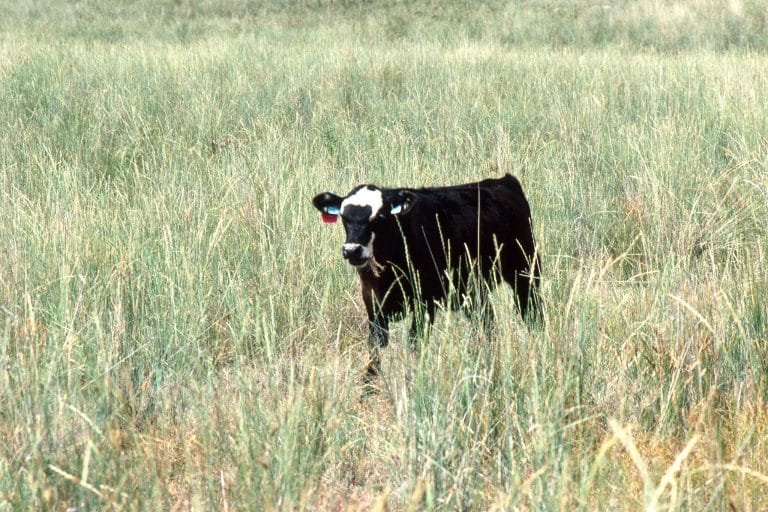
Through meticulous breeding and performance records, the Worths established a productive and profitable Angus herd that has helped them deal with the ebbs and flows of the ever-changing cattle market.
In recent years they have taken a step back in the beef business to help the next generation of ranchers. While downsizing their own herd, they pasture cattle for five local families during the grazing season. This allows the Worths to continue their grass management efforts while reducing their workload during the winter. It also creates awareness of how sound conservation can create abundant, resilient grassland on their own ranches.
“The recipients of this award are examples of how Aldo Leopold’s land ethic is alive and well today. Their dedication to conservation shows how individuals can improve the health of the land while producing food and fiber,” said Kevin McAleese, Sand County Foundation president and CEO. — Sand County Foundation