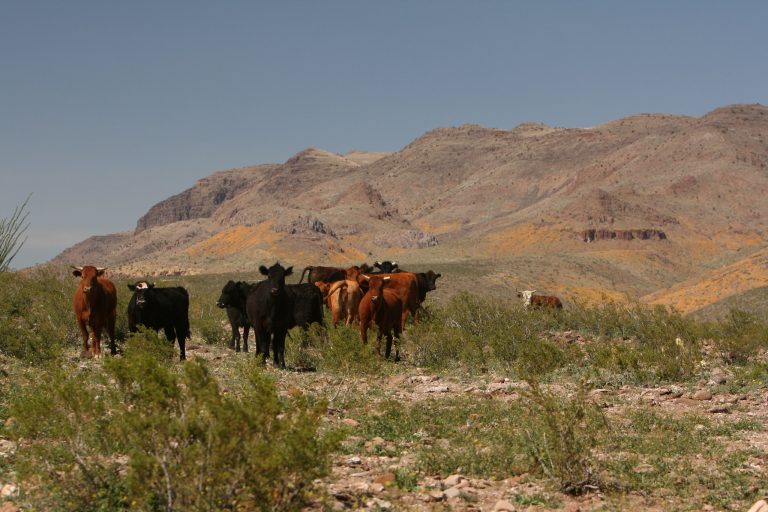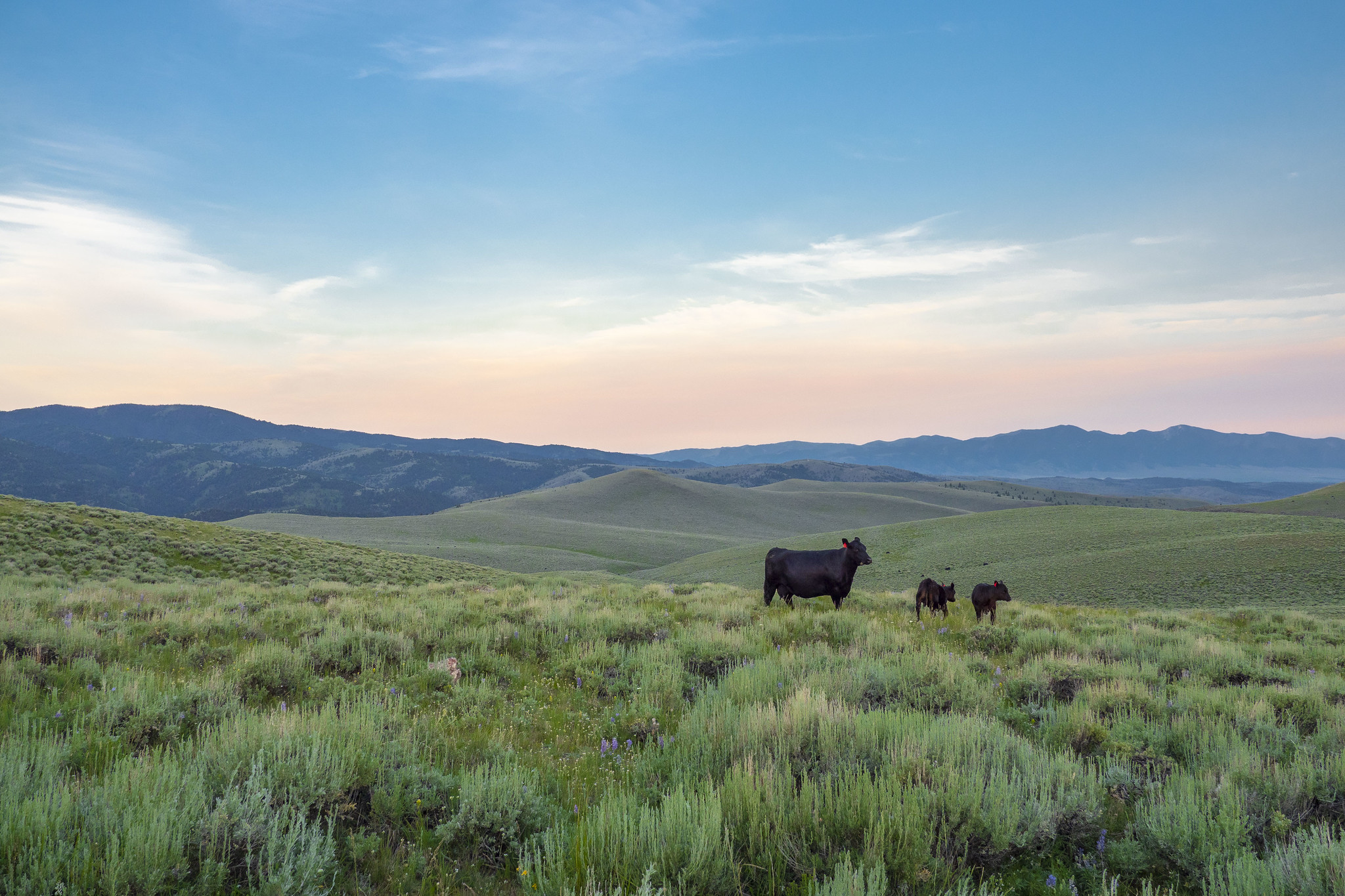
The U.S. Forest Service (USFS) is accepting applications for 41 grazing allotments across 17 national forests in the West.
Each forest has a different 30-day application window and deadline.
A prospectus details which allotments are open to applications at this time. While individuals may express interest in other open allotments, applications will not yet be accepted. More information will also be available through forest social media and websites.
“By working with authorized permit holders, Forest Service managers can work with ranchers to protect rangeland health, maintain watershed function, and support wildlife habitat—while also preserving the cultural and economic benefits grazing brings to many rural communities,” USFS said.
“These permits help balance multiple uses of public lands so they can continue providing food, fiber, and natural resources for all Americans,” the agency continued.
To view an interactive map listing all grazing allotments managed by the agency, visit tinyurl.com/ye7x3euj.
Vacant allotments
There is a total of 41 vacant allotments open for grazing across the West. States with open allotments include California, Colorado, Idaho, Montana, Nevada, Oregon, Washington and Wyoming.
The following is the number of allotments available per region:
• Northern region: 21 vacant allotments.
• Rocky Mountain region: 10 vacant allotments.
• Intermountain region: Six vacant allotments.
• Pacific Southwest region: One vacant allotment.
• Pacific Northwest region: Three vacant allotments.
The USFS prospectus details available allotments by national forest and ranger district and includes information on the allotment acres, livestock kind, season of use and estimated livestock number. The prospectus also includes contact information for each district. The prospectus can be found at tinyurl.com/4kb6p9a7.
Prospective applicants should review allotment-specific information and address their ability to provide day-to-day, on-the-ground management, including how they would respond to emergencies on a forest allotment, USFS said.
The annual grazing fee for 2026 is $1.69 per animal unit month.
To qualify for a grazing permit with term status, an eligible applicant must own both the base property and the livestock to be grazed on the national forest allotment. Ownership of both the base property and permitted livestock must be in the same name of the permit applicant.
Ten-year permits will be issued to successful applicants. Applications may be submitted by hand, mail or electronically to the points of contact indicated in the prospectus.
Ranchers interested in more information about available allotments and the application process should visit tinyurl.com/abdvhr8k.
Allotment goals
USFS is supporting the implementation of the USDA’s 2025 Beef Plan, USDA-Interior Grazing Action Plan Memorandum of Understanding and Grazing Directive to expand access for vacant and closed allotments.
The agency has a target of 500,000 acres of rangeland vegetation improvement projects to be implemented during the fiscal year, according to a memo obtained by WLJ from USFS Chief Thomas Schultz to regional foresters. The agency also aims to increase grazing occupancy by 250,000 animal unit months (AUMs) over fiscal year 2026 levels.
By Jan. 1, 2027, forest and grassland supervisors are to prioritize issuing term grazing permits for all 165 vacant-available allotments, according to the memo. In fiscal year 2027, USFS staff is to prioritize increasing occupancy by 250,000 AUMs, complete a vacant allotment prioritization spreadsheet, determine whether there is unallocated capacity on active allotments, and utilize help sessions and dashboards to better understand opportunities and accomplishments. — Anna Miller Fortozo, WLJ managing editor