As drought conditions worsen through a large portion of the Great Plains, many beef cattle producers are starting to evaluate ways to stretch forage resources potentially in jeopardy.
While all producers should have a drought plan which includes trigger dates for removing cattle from pasture if adequate rainfall has not been received, there may be other ways to stretch forage resources if management plans are implemented before the forage resource is overgrazed.
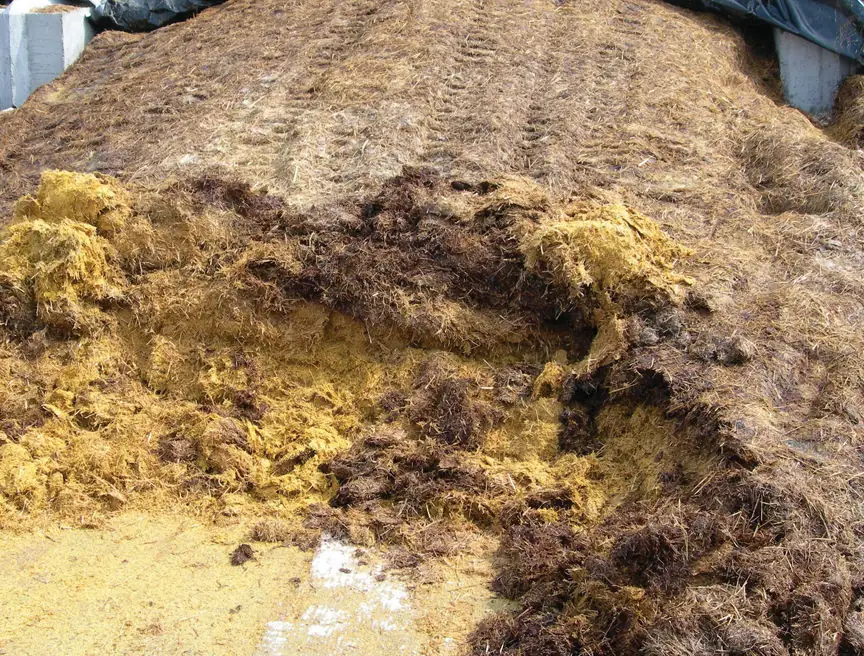
Mixing roughage, such as crop residues or poor-quality hay, with energy dense byproducts such as wet distillers grains, wet corn gluten feed, or sugar beet pulp, has been shown to be an acceptable feed for maintaining beef cattle. A mixture of this ground roughage and a wet byproduct can be fed in the pasture to substitute some of the grazed forage. However, depending on the blend developed, research at the University of Nebraska-Lincoln (UNL) indicated only between 0.22 and 0.44 pounds of forage dry matter was replaced by every 1 pound of dry matter from residue/byproduct mixture fed to grazing cattle. A 1,200-pound cow and her 300-pound calf are likely to eat approximately 34 pounds of dry matter when grazing. Producers need to monitor pastures carefully when choosing this method of stretching a forage grazing resource as overgrazing and damage to the root system of the grasses could occur.
Adequate grinding and mixing of the residues or hay and byproducts is important to ensure cattle do not sort out the byproduct and leave the residue. The poor-quality forage in the mixture adds bulk to the diet and helps reduce grazed forage intake. When a protein source, such as wet distillers grains, is consumed without additional roughage, the nitrogen provided for the microbial population in the rumen can actually increase forage intake of grazed forages.
If producers want to mix and store poor quality roughage and byproducts in preparation for drought conditions, then the moisture content of the mixture and packing to remove oxygen pockets become important. Information on mixing, storing, and feeding on pasture can be accessed in the NebGuide G2099, at http://extensionpubs.unl.edu, “Crop residues or low quality hay combined with byproducts as a forage substitute.” — Karla H. Jenkins, UNL cow-calf systems and stocker management specialist