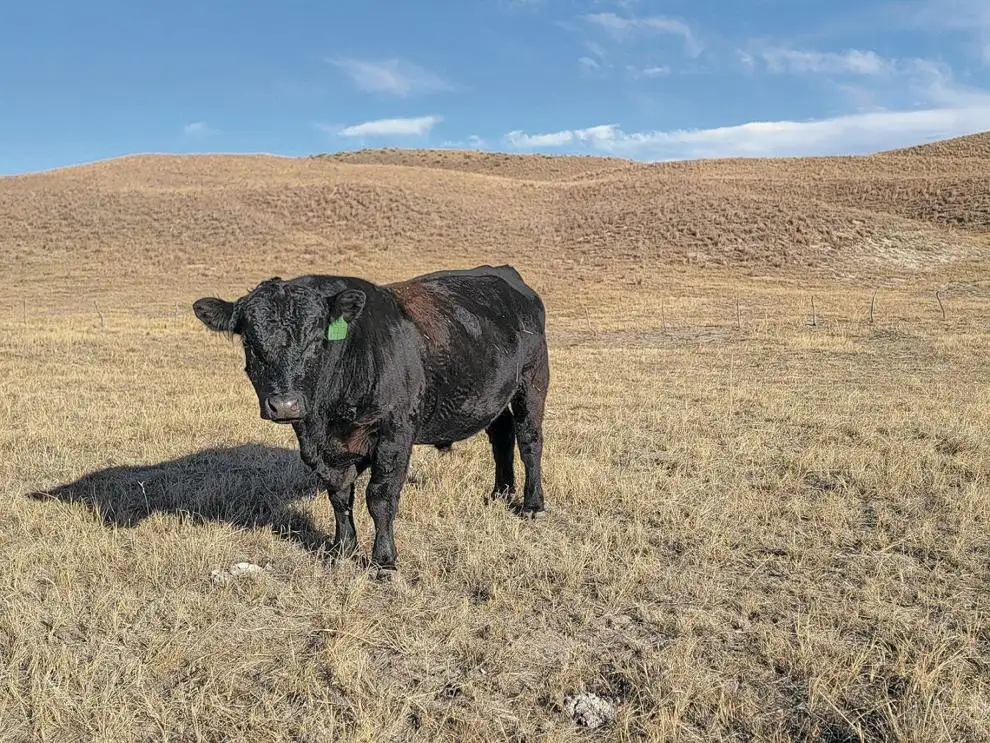
Much of the Great Plains has experienced above-normal snowfall coupled with extremely cold temperatures and high winds resulting in -20 to -60 F wind chills this winter. Extreme cold can result in frostbite to extremities in cattle including the testicles, which in turn can have a negative impact on spermatogenesis.
Routinely having a veterinarian perform a breeding soundness exam (BSE) 4-6 weeks prior to the breeding season on all bulls scheduled to be turned out with cows is a good idea. In light of weather events this winter, producers may want to schedule the exams earlier than normal so any bulls the veterinarian deems below acceptable could be scheduled for a re-test, and plans could still be made to replace any bulls that do not pass and are not expected to pass a re-test, prior to the breeding season.
Infertile bulls or bulls with poor-quality semen can cause producers to have an increased number of open cows and/or a reduction in the number of calves born early in the calving season.
Spermatogenesis (sperm production) takes 61 days to complete. Conditions during that time such as extreme temperatures, illness, body condition, or poor nutrition can all impact the quality of the semen produced. Therefore, if the bull still has the capacity to produce sperm, improved conditions later in the spring may subsequently improve bull fertility. If irreparable damage was done during the winter weather, the bull will need to be replaced.
The NebGuide G2332 Breeding Bull Management (unl.edu) has helpful information on managing bulls year-round. In the winter, providing a windbreak, hay or crop residue bales for bedding, and a balanced diet can help prevent loss of fertility. The aforementioned NebGuide has example diets for bull maintenance, however, producers can also contact University of Nebraska-Lincoln beef Extension personnel for assistance with ration balancing.
Consider opportunities to test bulls earlier than normal by coupling this with scheduled visits the vet already plans to make such as pregnancy diagnosis of fall cows or routine brucellosis vaccinations for replacement heifers. Knowing how the bulls test well ahead of the breeding season will give producers more options for improving semen quality or making replacement decisions. — Karla H. Wilke, UNL cow-calf systems and stocker management; and Hannah Smith, Nebraska Extension beef systems Extension educator