NCBA met in Reno, NV, this last week to iron out policy goals going forward. The Biden administration has created some challenges for the industry. Several weeks ago, the Securities and Exchange Commission was asking industry to measure their contributions to greenhouse gases and climate change. Agriculture would be responsible for making sure every farming or ranching operation complies, which would likely be an expensive regulation to deal with.
Sen. John Thune (R-SD) introduced a bill last week called the Food and Energy Security Act, which would give agencies guidelines for their random measurement efforts. Of course, NCBA supports the act, and I would imagine other major ag groups will too.
The act would essentially require the agencies to evaluate the cost of compliance on food, electricity and fuel production. So, the agencies responsible would have to evaluate the supply chain of an entity involved in the production of agricultural products or livestock. This would include entities that are involved in the production, development, or marketing of electricity, fuels (including biofuels) or other related products. Federal regulators would provide a detailed analysis of the estimated impact the regulation or guidance would have on food prices, electricity prices and fuel prices, as applicable, including a description of the methodology and variables used to arrive at those estimates. This move places guardrails on agency overreach. Let’s see where this effort goes in the political abyss.
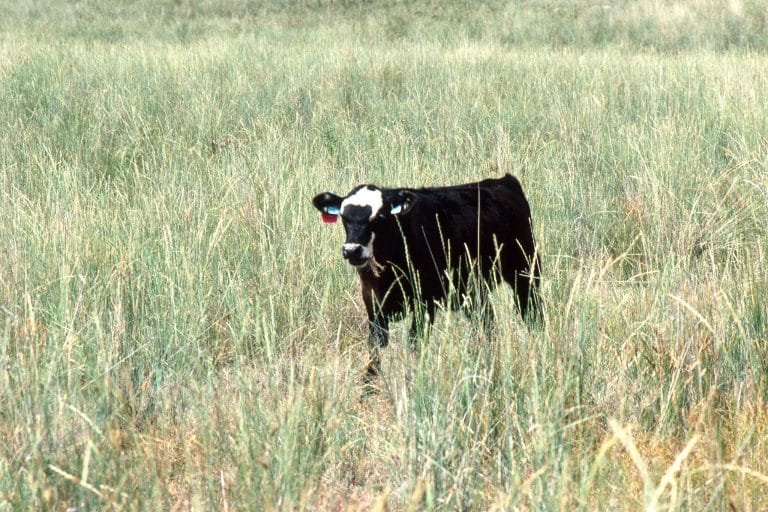
Another issue NCBA discussed was traceability, to the extent of tracing animal diseases. The issue has been discussed for years, and it sounds like NCBA and USDA are both getting serious about the issue of mandatory electronic identification. It seems that USDA would like to have a plan in place by the end of the year.
Mandatory animal electronic identification offers the industry many more benefits than just tracing for animal diseases. The Ag Center’s Cattle Report explained other benefits that I couldn’t have said better, so I will let them say it: “We constantly find ourselves checking the physical realities of the world against our concept of what the reality should be. The world has progressed to the point that twice-annually issued reports on the size of the U.S. cattle inventory, gathered in part from mail-out surveys, is an insult to an industry that has readily available tools to make those cattle numbers available daily with complete accuracy. The July report surveys 10,000 operations rather than the 30,000 operations used for the January 1 report. Accuracy is based on the hope people will provide government officials the right data with no consequences for the wrong information.
“The refusal to mandate animal identification leaves our country light years behind other beef-producing countries and our beef producers out of step with modern technologies that provide instant and accurate counts, valuable benchmarking of price and performance, and elimination of theft of cattle. All these benefits accrue to producers while hundreds of millions of lost dollars from beef imports and assured disease control go lacking.
“Industry control over the data store would allow the development of beef brands for the retail and online marketing efforts and with no additional costs. It also would protect any and all proprietary data of each operation through modern encryption. Never mind, a safety assured product on the meat counter.
“The sad fact is the nation’s livestock associations are allowing a small vocal minority of members (to) dictate the wrongheaded objections that prevent the associations from endorsing mandatory ID. You must stand in awe of the token support provided by leadership with false promises and exaggerated claims of benefits while denying the necessity of a mandate. Their approach is more committees and more study is needed or kick the can down the road. Someday a wakeup call will cause them to act but millions of dollars each week are lost in the meantime.”
There are many other aspects of livestock production that NCBA is working on, which we will cover in subsequent issues of WLJ. Still, the main issues concerning producers are fuel, feed and fertilizer and, now, the cost of capital. Challenging but profitable times are ahead. We still need to pray for rain, and let’s hope this administration realizes the other benefits of domestic hydrocarbon production, like fertilizer and fuel. It’s going to be a while before zero emissions can be achieved—maybe never. — PETE CROW