In the long run, say 20 years from now, what’s the cattle/beef industry going to look like? We have spent the last 30 years developing beef demand and have dramatically increased production and quality. We’ll probably do the same during this cycle.
I’ve always thought of the beef industry as a growth industry; we can sell beef at a much higher level than ever before. However, can we grow the nation’s cow herd going forward and who is going to do it? We need to start worrying about the supply side of beef calves. The beef cow herd is the lowest it’s been since 1951. We need more production to maintain demand and grow this industry. Right now, the industry is just making cattle bigger to maintain beef tonnage.
The beef cow herd was down 2.5% from last year and is expected to decline again in 2024. The estimated calf crop is expected to be 33.15 million head, 2.5% lower than 2022. The replacement heifer category was down 1.4% from last year, but last year’s numbers were revised downward and were actually down to 4.9 million head, down 10% from 2022.
The recent Ag Census report revealed the industry is shrinking. “Farms from 5 to 5,000 cattle was down sharply from the previous count five years ago. In 2022, some 593k farms reported cattle sales, a decline of 119k farms or 17%. But that’s because the number of farms selling just a handful of cattle declined. About 74% of the farms reporting cattle sales in 2022 sold fewer than 50 head of cattle. This is also the group that accounted for the bulk of the decline in the number of cattle selling farms, from 541k in 2017 to 443k in 2022,” according to the Daily Livestock Report.
The Cattle Report reported recently, “The effort to tame inflation is not a complete action as the government CPI report released last week informed us. The rise of prices 3.1% over last year was higher than expected and sent the stock market and cattle futures lower. Breaking the strong hold of inflation on food prices is a top priority. Retailers have held tight on beef prices knowing the supplies are tight and margins destined to dwindle. The impact to cattle owners is a dimming view of interest rate cuts or at least a delay and only maybe two cuts this year instead of 5-7 cuts as some forecast.
“This inventory report will likely be the bottom of the cycle and 2024 will begin the rebuilding necessary to restore beef to its proper place in the diet. Heifers held back for breeding in 2023 were 2% under 2022, but current calf prices are destined to signal breeders to hold back heifers this year, weather permitting. Culling of cows also is likely to reverse a recent trend that has seen cull rates escalate during the past several years to 12-13% from a more normalized 10%.”
They also said, “From a practical standpoint and to those operating commercially in the industry, capturing a margin in the beef business will be tough. Stocker and growers will fight sky high calf prices while feedlots fight an ever-declining pool of feeder cattle that will force some pens to go empty. In the immediate future supplies of cattle on winter grain fields is down 2% from prior year forcing curtailed placements this spring.”
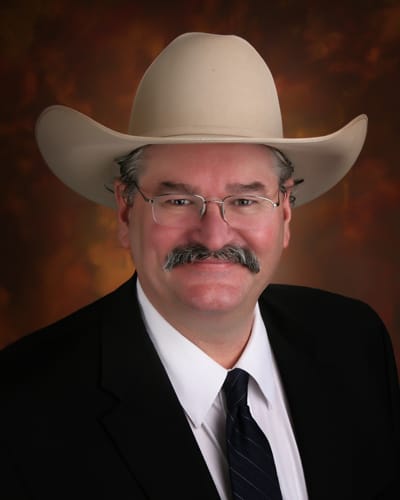
I’m concerned about our ability to grow this industry; Mother Nature is always a concern. However, there are other concerns: government is always pestering agriculture, upcoming tax legislation is a worry over death taxes and regulation is always a headwind for ag. Then there are interest rates—which don’t look like they are coming down soon—the diminishing supply of land, and whether the young crowd is going to stay and run the family ranch. If we only have 2-3 years of profitability out of 10 years, it’s not going to motivate young ranchers, unless they just love the business. Pray for spring rains. — PETE CROW