[inline_image file=”90ceebf2012ea42ed8c78b19183a4c69.jpg” caption=”Pete Crow”]
Watching this African swine fever (ASF) episode unfold should make every livestock producer in the world a bit uneasy. There is no vaccine currently available to harness the virus and it appears to be spreading rather quickly in Asia and in the European Union. On Sept. 13, Belgium authorities found the flu in wild hogs.
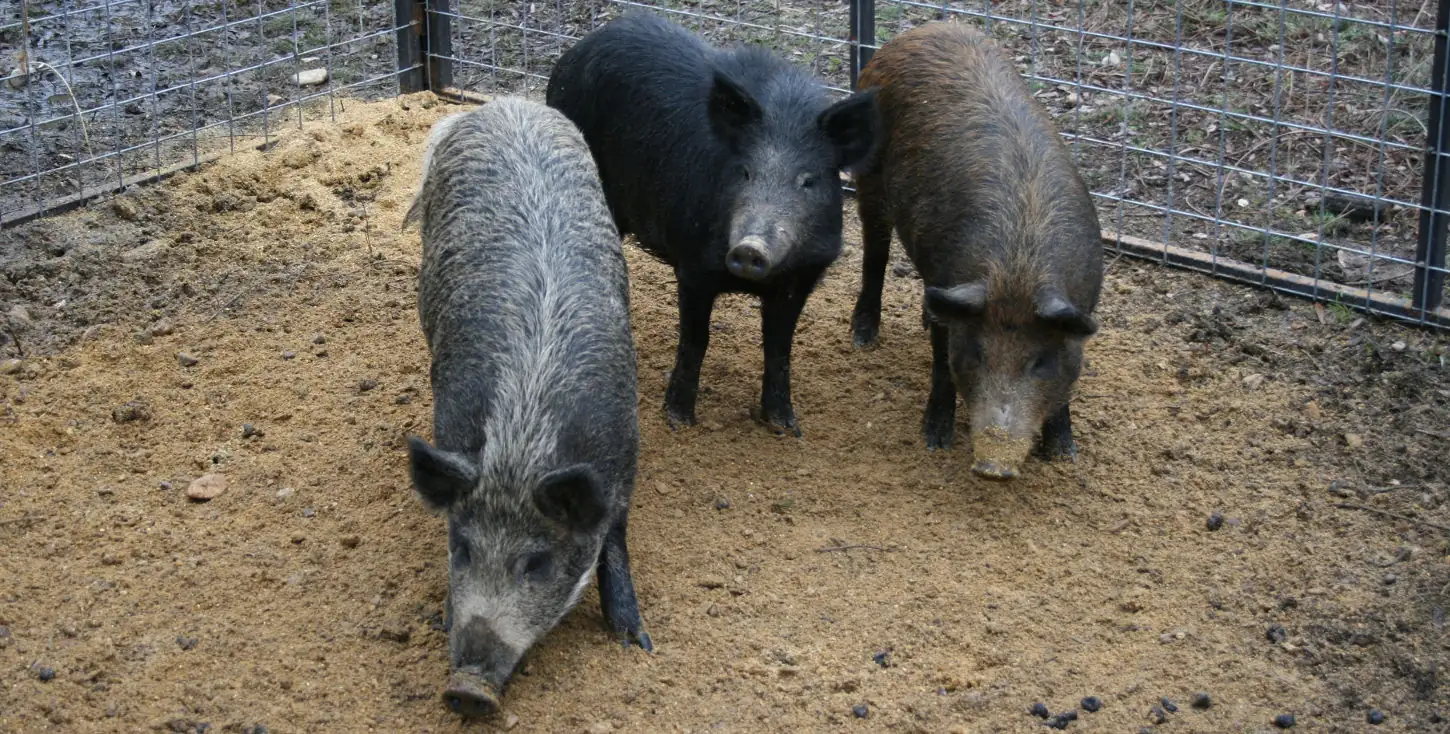
Authorities are still trying to figure out how the virus is spreading. It appears to have started several years ago in Russia, where they have already destroyed 800,000 pigs and think it is being spread by wild boars. But over the past few years this disease has slowly started to infect hog herds in a big way. It’s contagious and can spread easily.
Researchers have said that the virus can remain active in processed pig meat for more than a year. There are a lot of backyard hog raisers who feed table waste to hogs. The number of vectors that the disease can be transferred through is countless.
Also last week it was announced that China found foot-and-mouth disease (FMD) in a small herd of cattle. And just last month Vietnam announced they found 449 head of cattle with FMD. FMD also popped its head up in Columbia and Venezuela, which has refused to import beef from Columbia. Venezuela is desperate and needs all the food resources they can lay their hands on.
All these global animal health outbreaks make one think about the health and vulnerability of global livestock herds. North America has really been quite lucky to avoid some of these damaging diseases. The U.S. eradicated FMD in the 1920s at great cost to livestock producers. And it’s remarkable we’ve been able to keep it at bay for nearly 100 years.
I just can’t imagine that some of these Third World countries have animal health protocols as stringent as North America does. South America has been battling FMD forever and apparently the World Health Organization has claimed that Brazil is now FMD-free. But we’ve heard that before.
The amount of meat products that is transported around the world is astonishing. We have a highly perishable product that temperature differences or poor handling regimens can render valueless. I have gained a new respect for USDA’s Animal Plant Health Inspection Service (APHIS). They shut down Brazilian fresh beef exports due to failed inspections.
The chief veterinarian at the Food and Agriculture Organization of the United Nations said what we’re seeing with ASF so far is just the tip of the iceberg, and that the emergence of the disease in other countries will almost certainly occur. Observers say that if ASF touched the U.S. it could cost American pork producers $8 billion.
It’s pretty clear that these animal health issues are getting global attention from agriculture agencies. But just think about how many poor people in these small Third World countries have a handful of backyard hogs, sheep, goats and cattle to feed themselves. Do they follow vaccination protocols? Do they have any biosecurity regimens in place? Belgian authorities said, “The fight against this disease is not a public health issue but an animal and economic issue.”
The demand for meat products has been growing fast and it will continue. There will be great demand for meat products from countries that have the healthiest livestock—disease-free enterprises—and if you look around the world there aren’t many who can address animal health issues as quickly as the U.S. The trade war and tariffs with China may not matter that much six months from now if they don’t get a handle on ASF.
The cattle industry has been asking USDA to establish an adequate supply of FMD vaccine for years and it looks like it will happen in this next farm bill. We all know that an FMD episode in the U.S. would devastate the cattle industry, and the hog and sheep industries. So, maintaining an ample supply of FMD vaccines would be the wise thing to do.
I’ve always been mixed on the animal identification situation to track disease and traceability. But, it remains a contentious issue especially for the cattle industry where ownership changes hands often. We have enjoyed robust export markets, which are consuming about 15 percent of our domestic production. There is a price to pay if we don’t maintain a robust animal health industry in the U.S. as we have done. It’s the rest of the world that concerns me. — PETE CROW