Labor Day seems a bit early for many producers to be talking seriously about fall and winter stockers. However, a wet and cool August opens up a broader set of stocker possibilities than is typical in Oklahoma. Most of the state received upwards of double normal precipitation in August and forage is green and growing most everywhere. Below-average temperatures in August resulted in cool soil temperatures that allow winter wheat to be planted at any time. Some wheat was planted by the end of August and much more ground is ready to plant. The one caution that producers are reporting is that armyworms are already active and are a threat to newly emerged wheat as well as other forages.
Early planted wheat along with other forages may add 30 or more days to the front end of winter grazing. At the same time, expectations for 2018 wheat prices are dismal enough that some producers are beginning fall grazing with an intent or high likelihood of grazing out wheat next spring. A full graze-out adds another 75 or so days to the winter dual-purpose grazing period. Together, these conditions suggest the possibility of 220 or more days of grazing compared to a more typical 120-day winter grazing period.
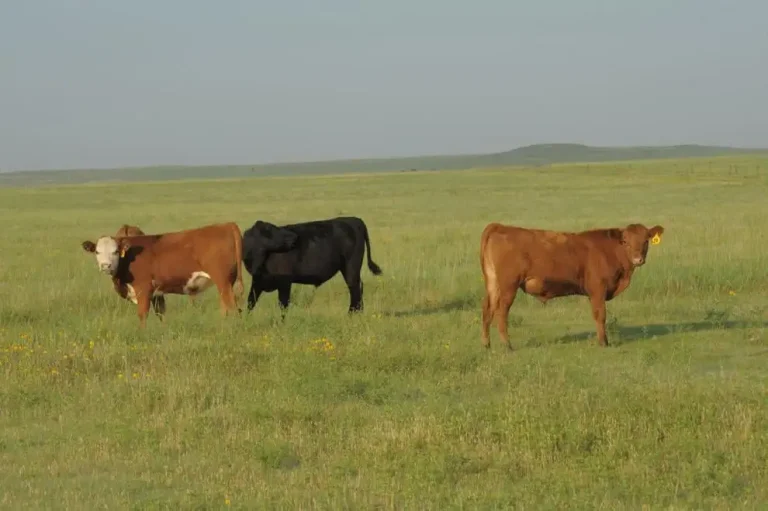
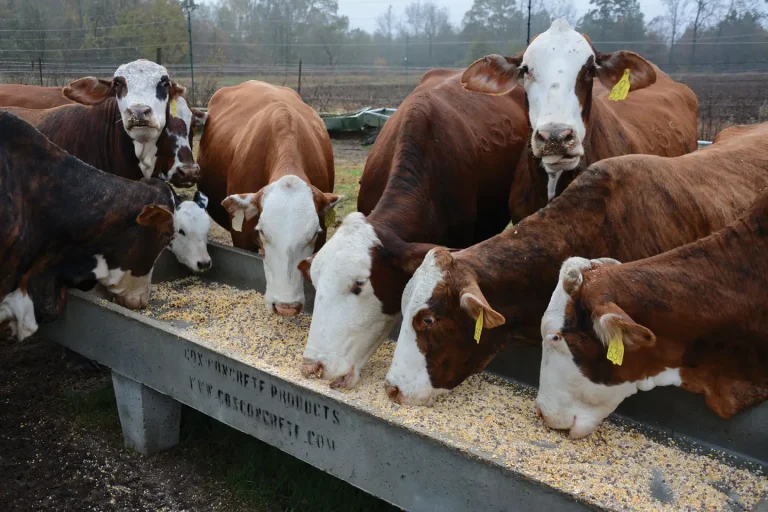
With a significantly longer grazing season ahead, producers can evaluate a wider range of grazing options than normal. An early start to fall grazing means that a single set of stockers may be too big by the end of graze-out. Producers may consider purchasing very lightweight stockers (which bring additional management challenges) or consider two sets of stockers between October and May. This would imply selling the first set in January and starting with a second set for graze-out. Two sets of stockers allow producers to consider a wider range of purchase weights and perhaps avoid demand bunched around lightweight stockers. It is common in the fall to see prices for typical stocker sizes (400-525 lbs.) to be high relative to heavier stockers (550-650 lbs.). Current prices for stocker cattle suggest that a wide range of purchase weights (400-650 lbs.) all offer roughly the same value of gain and similar potential for returns.
Stocker purchase prices typically decline seasonally a bit from September into October. Last week’s Oklahoma average price of $170.88/cwt. for 475-lb., medium/large, #1 steers would be expected to decrease $2-4/cwt. in the next month based on average seasonal patterns. However, stocker prices in Oklahoma are notoriously variable in September. In years with good early forage conditions (such as this year), stocker prices may show little seasonal decline and may even increase into October. Conversely, a larger 2017 calf crop implies bigger fall runs that may keep seasonal pressure on prices, especially into later October and November.
Combinations of stocker production alternatives mean that stockers could be marketed from January through May, 2018. Currently, feeder futures are trading in a narrow range from about $141/cwt. in January to $139/cwt. for March and May. Depending on expected sale weights and timing along with other budget factors, it appears that there is potential to manage risk on winter stockers and protect reasonable return possibilities. — Derrell S. Peel