The beef industry is currently receiving record prices when marketing livestock, and current market signals point to these higher prices being sustained for a period of time longer than a typical cattle cycle would predict. However, it is critical that we maintain our infrastructure of livestock marketing, transportation, cattle feeding and packing plant rail space if we are to be profitable in the future with a larger cow herd.
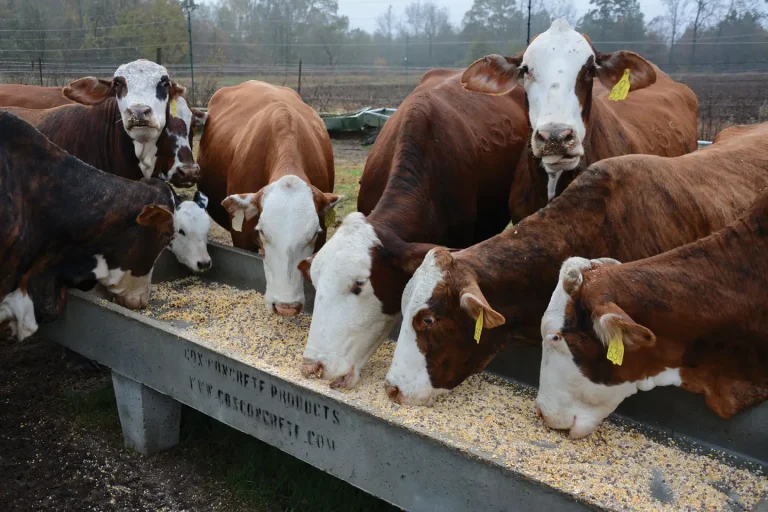
We are currently seeing more feedlot bunk space being utilized than would be expected with a cow herd that has shrunk to a 70-year low. This is primarily due to managers keeping cattle on feed for more days, as well as many producers placing cull cows on feed prior to marketing them. The latter has been particularly profitable at current grain prices.
Feeding cows takes advantage of the tremendous compensatory gain a thin cow will experience. It also often moves cull cows out of the typical fall market slump and into a more favorable market window. In terms of price within a market window, feeding a cull cow can increase number of pounds marketed and value per pound. This is accomplished by converting thin cows from producing a yellow fat, low-yielding carcass destined to be boned out for grind to a white fat “cutter,” whose loin and tenderloin can be pumped and served as steaks in low-end steak houses.
However, with the depletion of the Ogallala Aquifer in southwest Kansas and West Texas, it is almost certain that region will retract in size in terms of crop production, cattle feeding and packing industries. Due to the low cattle inventory, we have also seen a modern packing plant shuttered in Nebraska. Thus, maintaining our infrastructure during the lag time involved in growing the nation’s cow herd is important in sustaining a strong market, as well as vibrant rural communities.
This makes rebuilding the cow herd important to our industry’s long-term health. However, if we rebuild, it must be with a cow herd that is better in sync with the environment in which they will be asked to perform. In many cases, this will call for moderation in the production potential of the cattle, which in kind will often call for more moderate cow size. However, there is no reason to think packers’ desire for large carcasses will change, so if the cow herd in general does need to be moderated in size, it will mean that more cattle will need to be grown through a stocker or backgrounding phase to achieve desired heavy carcasses.
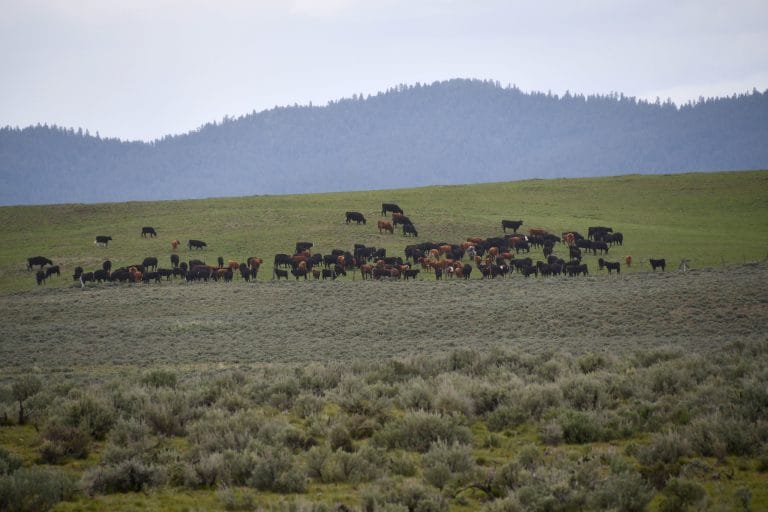
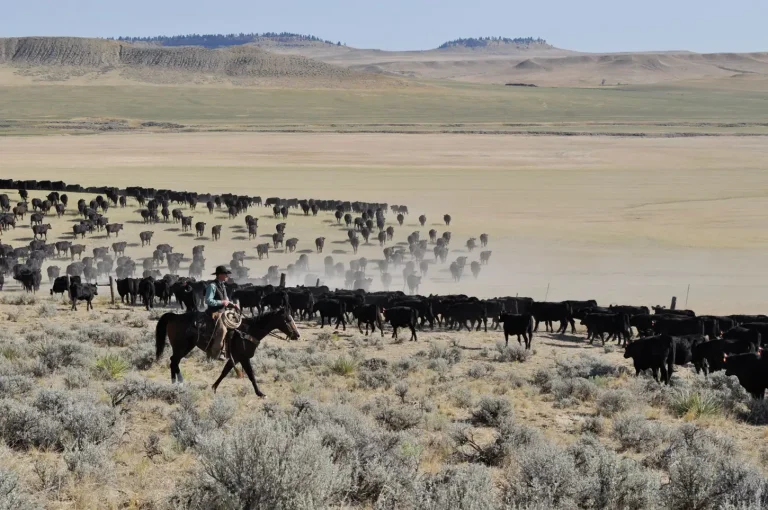
The traditional stocker part of our industry is already running largely at capacity. Typically, stocker operations take advantage of inexpensive feeds like grazing wheat or ryegrass, and often rely on purchasing affordable, often mismanaged cattle that generally have lost identity in terms of source, genetics and previous health protocol. These are the kinds of light feeder cattle that are often sold one at a time through a sale barn. The stocker operation can then straighten these high-risk cattle out from a health standpoint, grow them on low-cost feeds and ultimately group them into uniform loads for remarketing.
We are seeing an uptick in stocker capacity particularly for value-adding the increasing number of fall-born calves. More producers are breeding cattle that come up open in the fall and moving them into a fall-calving herd. Unfortunately, some of these cattle are open because of the genetic defect that causes early embryonic death loss, so moving these cows to a fall-calving herd is “kicking the can down the road” in terms of dealing with this problem.
However, these fall-born calves can be grazed the following summer by a stocker operation, which will increase their eventual slaughter weight when finished in a feedyard. With more land being converted from irrigated cropland to pasture in places like West Texas, we can look for growth in this segment of the stocker business.
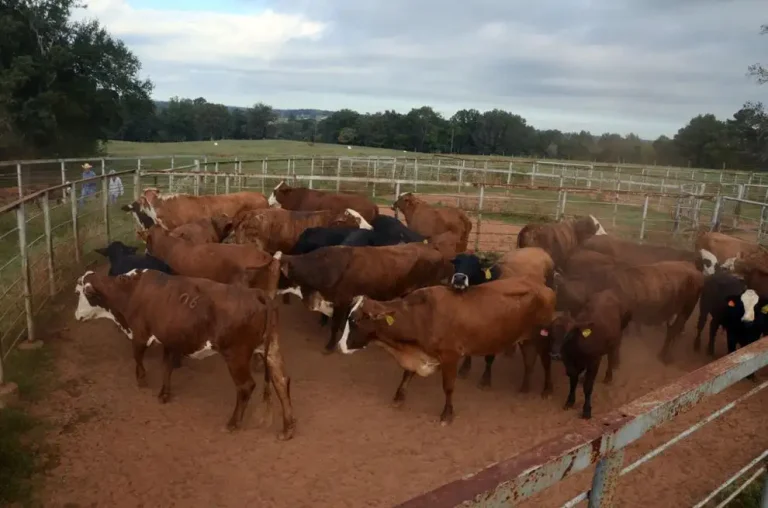
Another way to extend the growth curve of moderate-framed cattle is to background them in a feedyard. Finishing cattle has largely become the business of the larger feedyards whose modern feed mills and infrastructure make them more efficient, and hard for small yards to compete with. However, small, well-run feedyards make perfect backgrounding operations. Their smaller size gives experienced managers the ability to deal with “bawling calves” and grow them often up to 800 to 900 pounds, when they can be moved to large finishing yards either by marketing the cattle or through retained ownership.
This segment of the industry was thought to be largely mature, but the closing of the border to Mexican cattle has freed up a lot of bunk space. In addition, there are a lot of grain farmers, particularly in the Midwest, who were formerly farmer feeders. Many still have the facilities and expertise that they could move into backgrounding calves if the economics were right. However, they typically would not be in a position to accept cattle until after harvest. — Dr. Bob Hough, WLJ correspondent
(Editor’s note: This article is part two of a three-part series about rebuilding the cow herd. Part one was published in the May 18 WLJ issue and part three will appear in the May 25 WLJ issue. A comprehensive feature article may also be found in the spring edition of The Wire on page 24.)