In a split decision, the 9th U.S. Circuit Court of Appeals upheld California’s requirement that mandated large companies report greenhouse gas emissions from their own operations and the energy they buy. The court reversed a lower court’s refusal to temporarily block supply-chain reporting, finding that the requirement likely violates the First Amendment.
The American Farm Bureau Federation and the Western Growers Association joined business organizations in the lawsuit. They argued that two California laws unconstitutionally compel companies to speak about emissions and climate risk.
California enacted Senate Bill (SB) 253 to require large companies to report their greenhouse gas emissions and SB 261 to require them to disclose their climate-related financial risks. The state intended the laws to give investors better information, help cut emissions and address misleading claims by companies about their climate impacts.
SB 253 applies to U.S. businesses with more than $1 billion in annual revenue that do business in the state. Scope 1 covers direct emissions from sources a company owns or controls. Scope 2 covers emissions from energy it buys, such as electricity. Scope 3 extends to indirect emissions from suppliers, customers and others in the company’s supply chain.
SB 261 requires companies that do business in the state and have more than $500 million in annual revenue to publish a climate risk report every two years. The report must explain how climate change could affect the company’s finances and what steps it has taken to reduce or adapt to those risks.
What the court decided
Writing for the majority, Judge Jacqueline Nguyen said Scope 1 and 2 disclosures provide investors with factual information about a company’s operations. The panel treated the reporting requirements as commercial speech and reviewed them under a less stringent First Amendment standard.
They found that the requirements were sufficiently tailored to California’s goals of giving investors better information and cutting emissions. Scope 3, Nguyen wrote, would compel companies to “collect, synthesize, and report information about the conduct of independent actors.” The court applied a tougher First Amendment test and found that California failed to show mandatory supply-chain reporting was necessary to achieve its goals.
The court found that SB 261 would force companies to make subjective judgments about how climate change could affect their finances. The judges found that the state failed to show SB 261 would reduce emissions and that it could pursue its goals through less restrictive means, such as voluntary reporting.
Judge Mark Bennett agreed that the court should grant temporary relief from California’s Scope 3 reporting requirement and its separate climate-risk disclosure law, SB 261. He disagreed with the majority on Scope 1 and 2, saying he would also have temporarily blocked those reporting requirements.
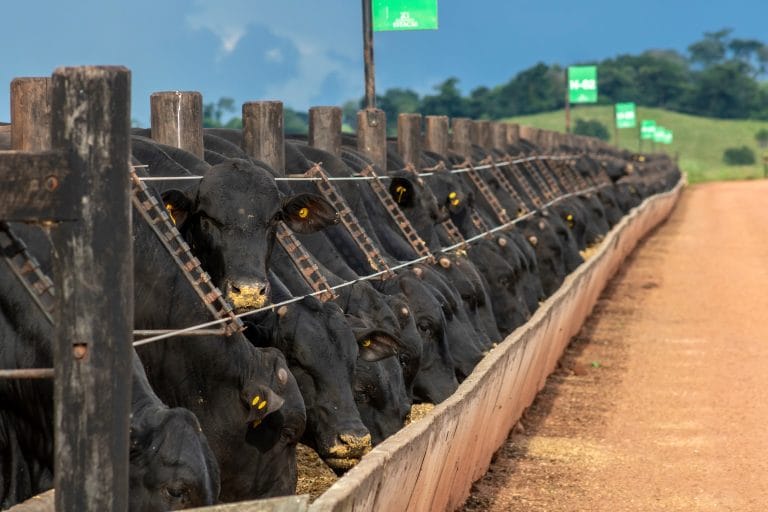
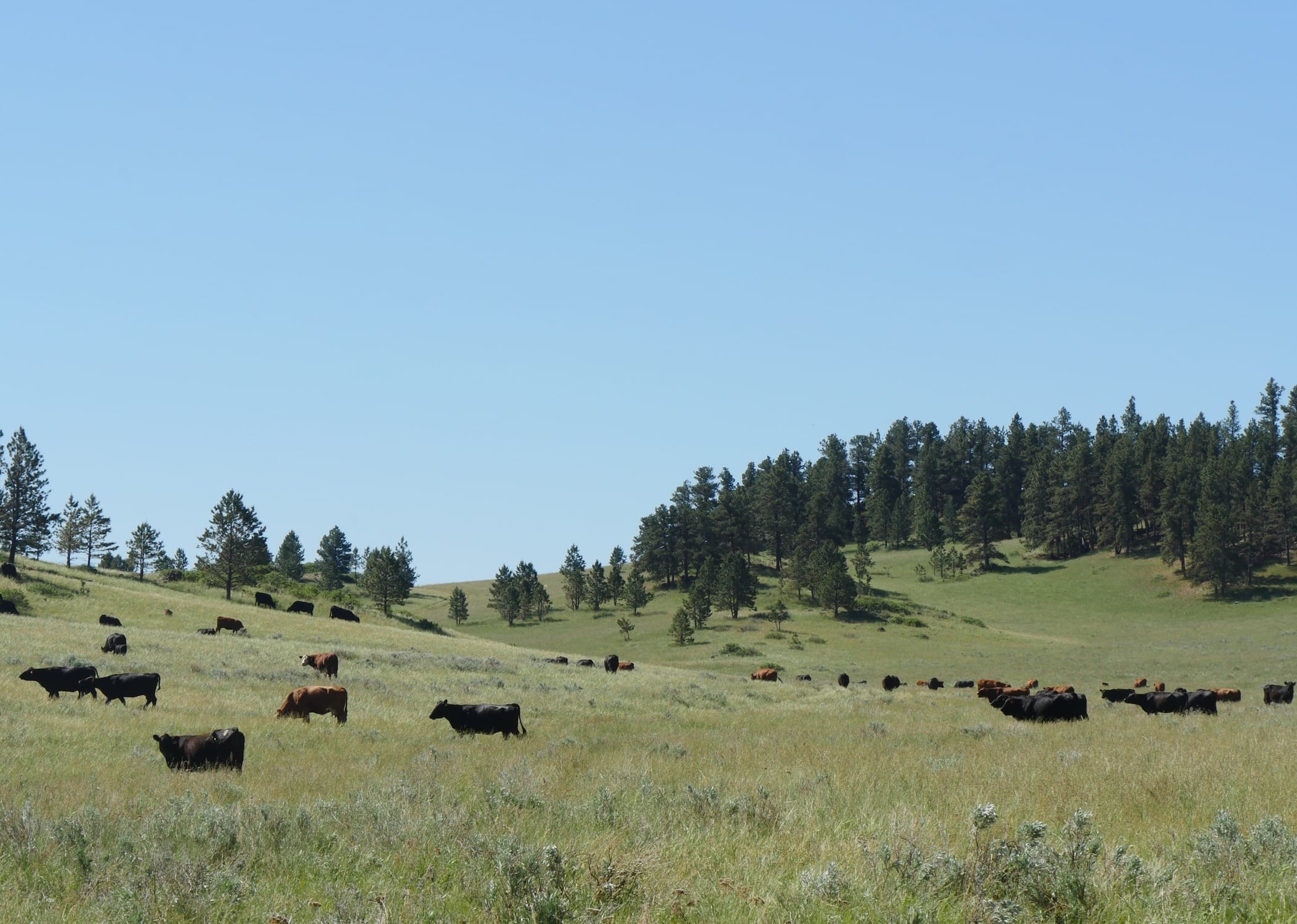
The California Cattlemen’s Association opposed SB 253 because of its potential effects on ranchers. Cattle producers are part of the beef supply chain and could be asked to provide information about emissions from their own operations so companies can complete their Scope 3 reports.
The court left California’s Scope 1 and 2 reporting requirements in place and reversed the district court’s refusal to temporarily block SB 261 and SB 253’s Scope 3 reporting requirement. SB 253 includes a severability clause, which allows parts of the law to stand if another part is struck down. The appeals court sent the case back to the district court to decide whether that clause allows the rest of SB 253 to stand without Scope 3. — Charles Wallace, WLJ contributing editor