On June 3, USDA’s Animal and Plant Health Inspection Service (APHIS) confirmed the detection of a New World screwworm (NWS) case in South Texas.
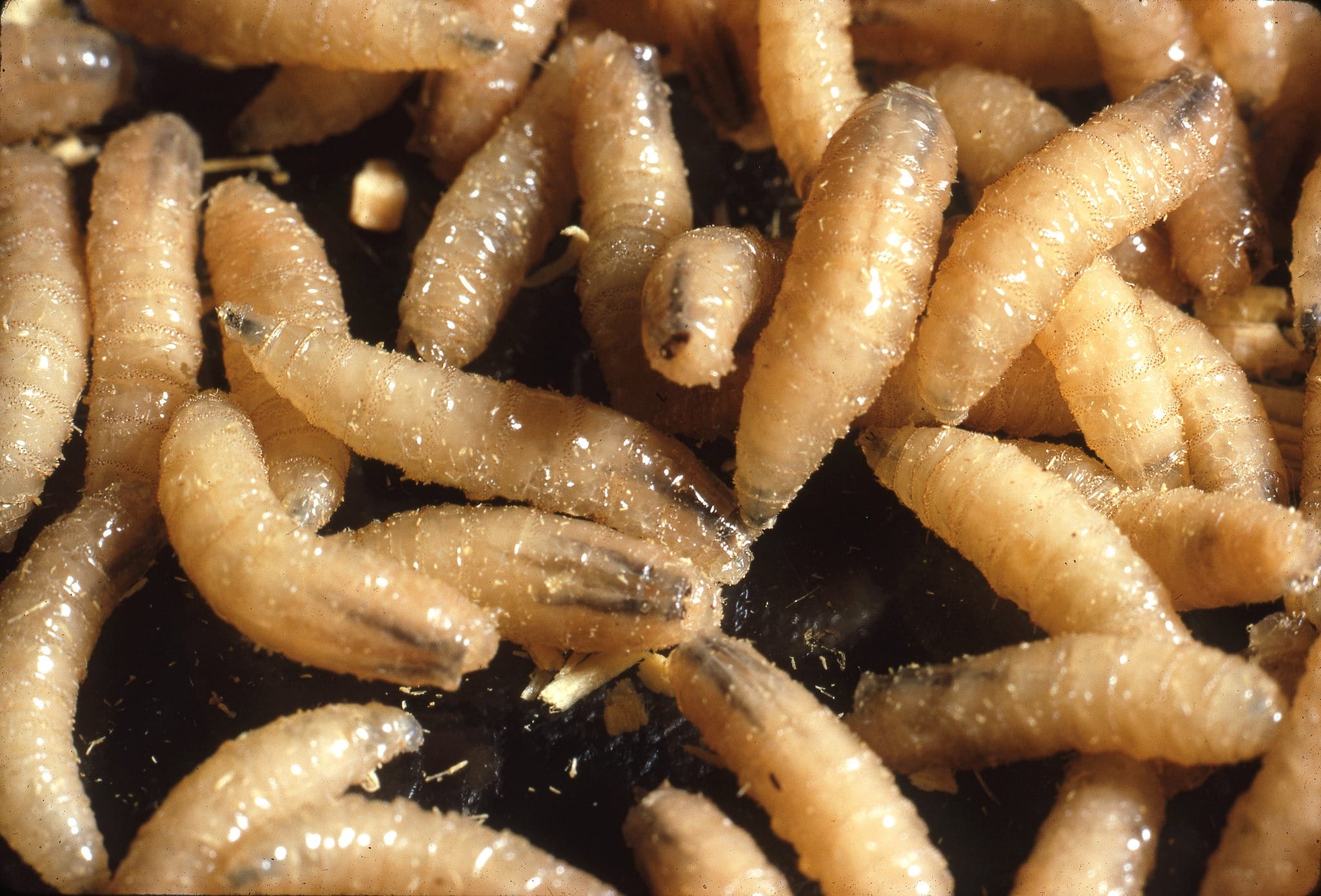
Testing at the National Veterinary Services Laboratory in Ames, IA, confirmed NWS larvae were identified in a lesion in the umbilical area of a 3-week-old calf at a ranch in Zavala County, TX. This is the first detection of NWS in Texas since northward progression from Central America was observed in 2023.
“Protecting our livestock industry is a national security issue of the utmost importance, and USDA is wasting no time in taking action,” said Dudley Hoskins, under secretary for marketing and regulatory programs. “USDA invested heavily in the tools needed to eliminate NWS ever since cases started increasing in Central America and Mexico. The United States has defeated this pest before, and we will do it again.”
USDA said federal and Texas officials are taking immediate action to contain and eradicate the pest from the U.S. by following the NWS Response Playbook. Actions include forming an Incident Command Team with the Texas Animal Health Commission (TAHC); establishing a 20-kilometer (12-mile) infested zone around the detection and implementing quarantines, movement controls and surveillance; expediting the release of sterile flies; increasing trapping for flies along the border; implementing NWS surveillance and management strategies in wildlife; and conducting targeted outreach.
“TAHC has been actively preparing for a resurgence of NWS for over two years,” said Dr. Bud Dinges, TAHC state veterinarian and executive director. “We are putting these preparations into action, and we encourage all animal owners and caretakers to continue to remain vigilant for the presence of larvae in animal wounds and immediately report any suspicions.”
Livestock producers are encouraged to implement enhanced management practices, including keeping wounds clean and covered. Report suspected cases to TAHC at tahc.texas.gov/agency/contact.html.
On a June 4 press call with members of the media, officials with USDA, APHIS, TAHC, the Food and Drug Administration and the Centers for Disease Control and Prevention shared an update on the situation.
USDA Secretary Brooke Rollins reiterated that Texas officials and APHIS officials immediately deployed to the area. She noted that in addition to expedited targeted releases of sterile flies, USDA is working on new technology to expand fly release capabilities.
Dinges said that TAHC and USDA staff visited the premises where the case was detected, and there were no additional cases detected. In addition, there was no evidence of recent animal movement onto or off of the premises. He also stressed that the spread of NWS is not a food safety issue, but rather a food production issue.
Rollins emphasized that protecting producers’ livelihoods will entail “all people respecting the common good of all Texas producers” by following proper animal movement procedures.
Dinges explained that the quarantine is a 12-mile radius circle around La Pryor, TX, and animal movement will not be allowed for up to 72 hours initially. Following that, animals may move out of the zone after being inspected and/or treated for the pest.
Cattle industry groups expressed the importance of monitoring livestock.
“We now switch from prevention to eradication,” said Ranchers-Cattlemen Action Legal Fund, USA CEO Bill Bullard. “Producers need to be intensely vigilant in monitoring their livestock and reporting suspected cases to their veterinarian. We must push this pest back to Mexico and then continue efforts to push it back to Central America.”
National Cattlemen’s Beef Association (NCBA) CEO Colin Woodall said NCBA has been working with state partner organizations to combat the incursion of the pest. “We defeated this harmful pest before in the 1960s by investing heavily in sterile fly dispersal and NCBA will continue using every tool in the toolbox to ensure screwworm is eradicated in the U.S. once again.”
The U.S. Cattlemen’s Association (USCA) said it is keeping a close eye on the situation. “USCA’s Animal Health Committee is actively engaged on this issue and is in close contact with federal and state animal health officials as the situation evolves. USCA’s priority remains the protection of animal health, the integrity of the U.S. cattle herd, and the long-term viability of domestic livestock production,” the group said.
More information on NWS resources can be found at screwworm.gov.