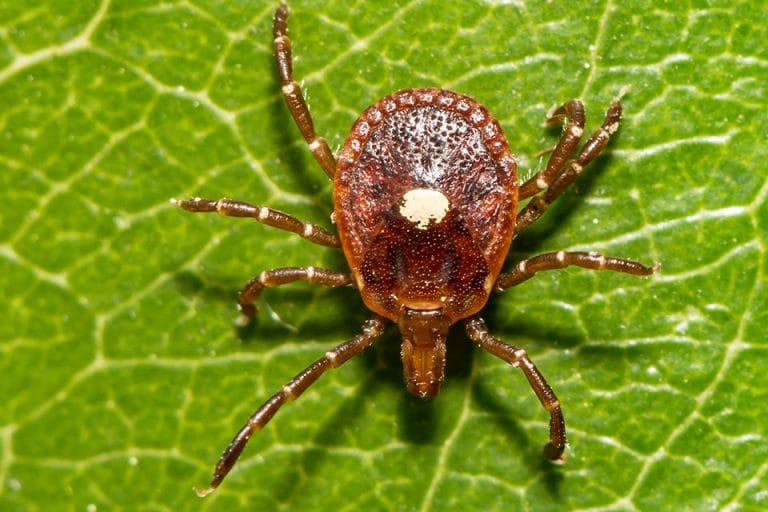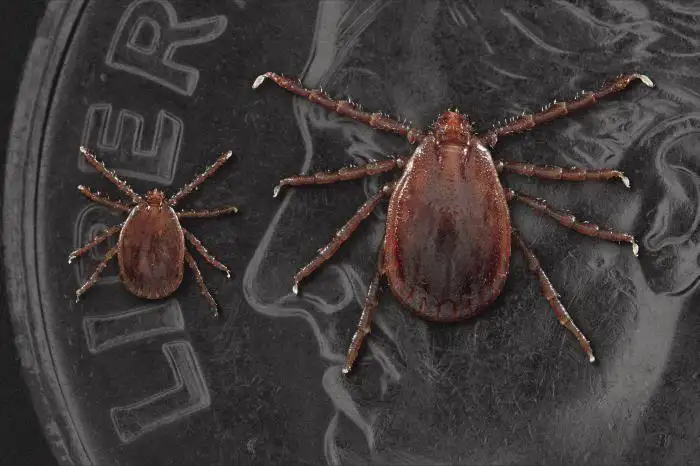
Speaking on a recent “Cattle Chat” podcast, Kansas State (K-State) University parasitologist Brian Herrin spoke about one pathogen that ticks carry that infects cattle but not people: Theileria orientalis. This blood-borne protozoan (parasite) causes the disease bovine theileriosis.
“Because this protozoon infects the blood, it has a wide range of effects in cattle due to the way it circulates throughout the body,” Herrin said.
K-State veterinarian Brad White said that bovine theileriosis can be hard to detect because the symptoms can mimic other diseases.
“Because it attacks the red blood cells, cattle will become anemic and may be short of breath, depressed and exercise intolerant, and those are all also signs of respiratory disease,” White said.
Herrin said that bovine theileriosis tends to appear in younger cattle, more so than some other diseases, and it is spread by ticks.
“In the acute phase of the disease, there can be up to 20% death loss that happens quickly, and for those that survive, they will carry the parasite in their body the rest of their lives,” Herrin said. “We don’t have a way to cure it, and so when those chronic cattle are stressed later in life, the symptoms may appear again.”
Knowing that this disease is carried by ticks, Herrin said managing tick exposure is one strategy to minimize the risk.
“For cattle out on pasture, make sure the cattle have new fly tags put in every spring,” Herrin said. “The kind of tick that transmits this disease likes to be in the ears.”
He also suggests producers make sure the cattle are treated routinely with insecticides.
“When the ticks start crawling on the animal they are exposed to the product and can be killed before they attach, but as time lapses that product degrades over time,” Herrin said. “It does take a little time between when the tick attaches and the transmission of this disease, so it is important to be proactive in the management protocol.”
Herrin said ticks prefer to live in tall grasses as well as damp and shady areas. Cattle that are out on pastures should be routinely monitored.
White added, “This disease can have a high mortality rate and there is no treatment for it, so it is important to find a way to control the ticks in their environment. The sooner the disease is diagnosed, the better the outcome will be.” — K-State Research and Extension