Speaking on a recent Beef Cattle Institute “Cattle Chat” podcast, Kansas State (K-State) University veterinarians Todd Gunderson, Brian Lubbers and Bob Larson offered tips on how to reduce the risk of disease from cattle that are new to the herd.
“It is important to know what diseases you want to keep out of the herd. Two conditions that are easy to test for are BVD (bovine viral diarrhea) and trichomoniasis,” Gunderson said. “With both these cases, there is a virus and protozoa that have long-term carrier states that we can keep out through diagnostic testing.”
Lubbers said that each operation needs to work with a local veterinarian to establish a biosecurity plan.
“There is no one-size-fits-all biosecurity program, and you have to be aware that some cattle can carry disease-causing germs that can’t be easily detected,” Lubbers said.
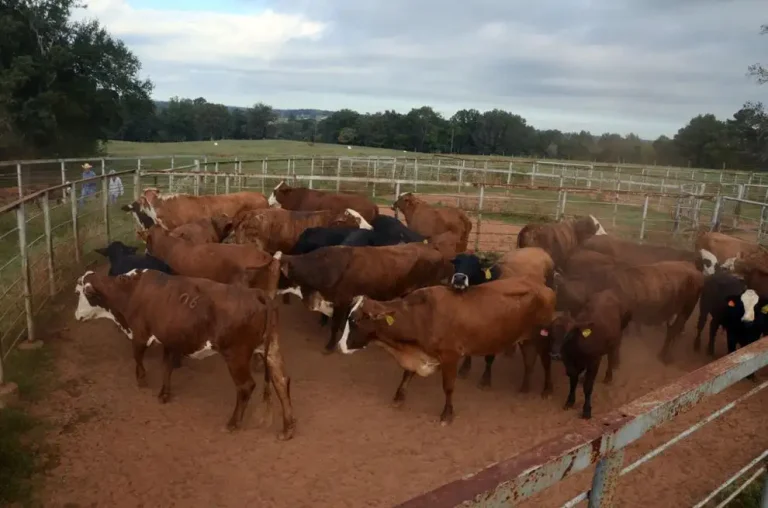
Along with working with the veterinarian to devise a testing protocol, Larson recommends quarantining cattle away from the herd upon arrival.
“Keep those new arrivals separated from the herd for 30 days or so and make sure they are free of sickness for that time,” Larson said. “When they are in quarantine, that is also a time that they can be tested for diseases that might be of concern, depending on where you are in the country.” — K-State Research and Extension