The Common Ground Coalition continued its regional summit series in Nashville, TN, bringing together livestock industry participants from across the eastern U.S. and beyond to identify practical solutions that support the future of livestock production, rural communities and the domestic food supply.
Building on outcomes from earlier regional discussions, the Eastern Region Summit focused on the critical role of small cow-calf producers and the need to strengthen the foundation that allows those operations to succeed. Participants emphasized that small producers remain essential to rural economies, local communities and the long-term strength of the cattle industry.
“Participating in the Common Ground Coalition Eastern Region Summit was a humbling and rewarding experience,” said Kentucky cattle producer Renee Carrico. “While our average herd sizes are many times smaller than our neighbors to the west, the importance of livestock producers of all sizes to expand the national cow herd and maintain food security was felt in the room.”
Through think-tank style discussion, attendees advanced a set of priorities focused on improving access to capital, protecting access to grazing lands, strengthening transition opportunities, improving labor and workforce tools, and modernizing risk management options. The group also identified opportunities to address animal health threats, improve market reporting, and better align federal programs with the realities of livestock production.
“Whether they were cow-calf, stocker, or seedstock producers, everyone at the table had a voice,” said Carrico. “The summit created meaningful opportunities for participants to share their experiences, gain new perspectives, and build a deeper understanding of the issues impacting livestock producers across the region.”
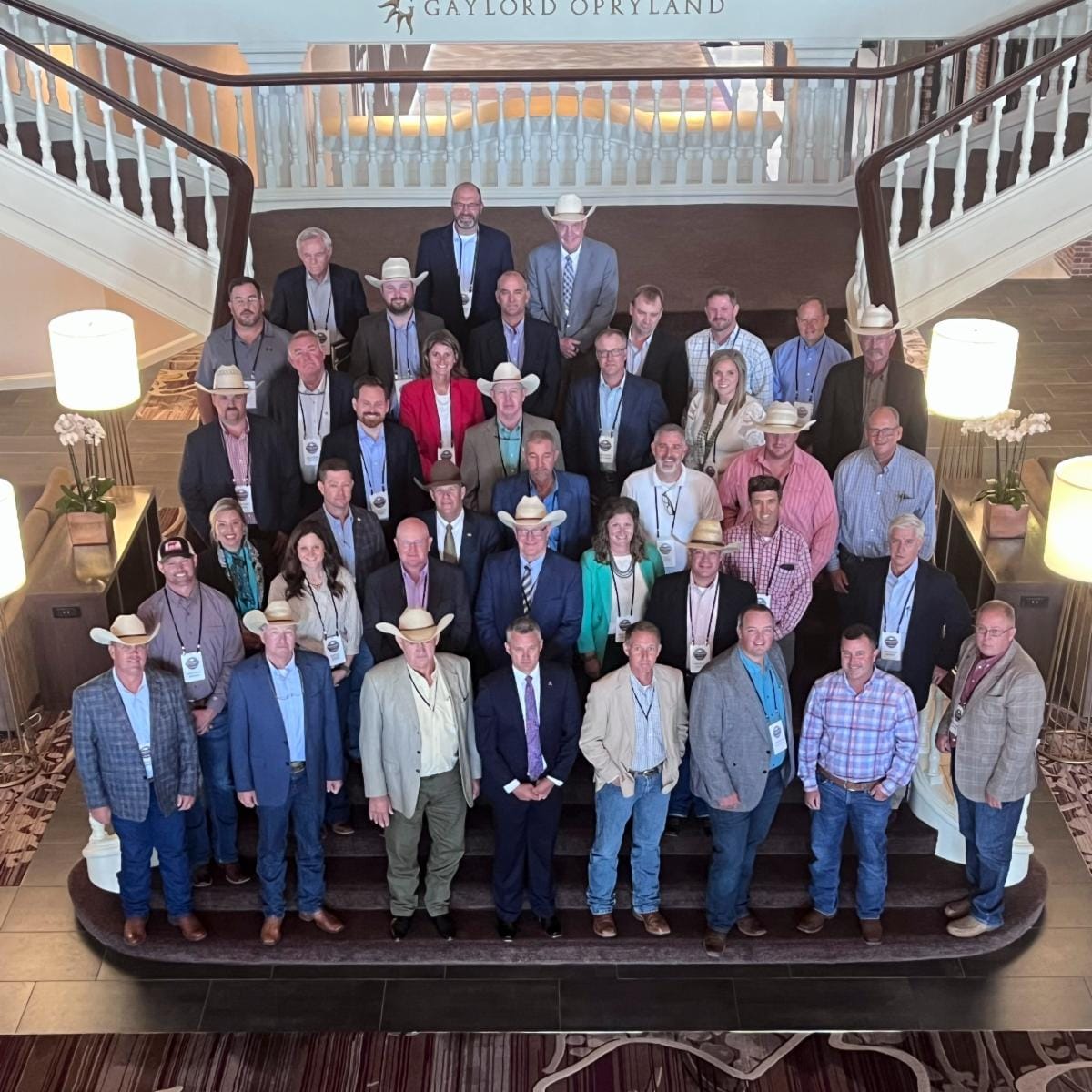
The 32 attendees advanced recommendations to help guide the next phase of the Common Ground Coalition’s work. Through respectful discussion, participants focused on ideas they believed the group could ultimately align on. While differing viewpoints were represented, items without consensus did not move forward. This approach has been foundational to the Common Ground Coalition, and these outcomes will be combined with findings from the coalition’s other regional summits held in Reno, NV; Omaha, NE; and Fort Worth, TX, earlier this year.
Key priorities from the Eastern Region Summit include:
• Strengthen small cow-calf producers as a critical part of the industry. Participants emphasized that smaller-scale livestock producers support rural economies, preserve agricultural traditions and help keep production agriculture viable for future generations.
• Improve access to capital, financing and ownership opportunities. The group supported practical financing tools, including innovative ownership models, livestock leasing, shared assets, blended financing and pathways that help workers, managers and emerging producers build equity and ownership.
• Preserve and expand land available for livestock and forage production. Participants called for keeping more working land in agriculture, evaluating opportunities for appropriate Conservation Reserve Program acres to return to production, exploring flexible production easements and addressing regulatory pressures that limit land access and use.
• Support tax policies that encourage transition, reinvestment and growth. Priorities included preserving agriculture-friendly tax policy including step-up in basis, modernizing 1031 exchange rules, exploring agricultural land transfer incentives and addressing tax rules that may discourage investment in livestock production.
• Create better tools for land transition and succession planning. Participants encouraged stronger partnerships among lenders, attorneys, Extension, realtors, trade associations and agricultural businesses to help connect retiring landowners with emerging producers and keep working lands in agricultural production.
• Expand pathways to ownership and workforce development. The group called for additional opportunities for apprenticeships, internships, mentorships, co-op programs, financial literacy training, business planning, education and stronger partnerships with schools, youth organizations and agricultural programs.
• Explore new financing concepts for livestock production. Participants discussed the potential for a food security bond, which could fund low-interest loan opportunities or self-funding tax credits to help livestock producers access affordable capital for land, livestock, equipment and infrastructure.
• Improve Livestock Risk Protection affordability, flexibility and relevance. Priorities included pursuing premium cost relief of up to 80% for longer-term endorsements, better aligning products with real-world marketing practices and expanding coverage to breeding-age females and cull cows.
• Modernize Farm Service Agency and Beginning Producer financing programs. Participants supported shifting from age-based definitions to a broader “emerging producer” approach focused on ownership status, management responsibility, decision-making authority, and stage of business development.
• Strengthen agricultural workforce development and labor programs. The group supported both domestic workforce pipelines and practical reforms to agricultural labor programs, including improvements that reflect year-round livestock industry segments such as livestock markets, feedlots and dairies.
• Improve healthcare, family support and employee benefits for agricultural workers and rural communities. Participants encouraged policies and tools that help agricultural employers recruit and retain workers while supporting rural families and businesses.
• Strengthen animal health research. The group identified the need for more research and practical solutions for economically important threats such as ticks, theileria, Alpha-gal syndrome and other animal health issues that affect producer viability.
• Modernize cattle market reporting and CME risk management tools. Participants supported releasing key inventory reports during trading hours, adding June and July cattle contracts, and extending contract availability and pricing models to 24 months to better align with producer marketing and planning needs.
These recommendations reinforce the coalition’s focus on practical, achievable reforms that can strengthen livestock producers, support rural communities and help protect the long-term stability of the U.S. cattle industry.
“While access to land and capital remain challenges shared by producers nationwide, issues such as Livestock Risk Protection and workforce development generated region-specific discussion,” Carrico said. “What united everyone in the room was a shared understanding that all cattle producers, regardless of size, are essential to the strength, growth, and future success of our industry.”
Attendees included:
• Alabama: Eric Smith, Tyler Watt, Drew Wear
• California: Jake Parnell (moderator).
• Florida: Beaver Yoder.
• Illinois: Bradley Wolter, Kimberly Wolter.
• Kentucky: Jim Akers, Kenny Burdine, Renee Carrico, Scott Porter, Daniel Smith, Donald Tarter and Tim White.
• Michigan: Gerrit deGlee, Karl Wernette.
• Mississippi: Jeff Easterling.
• Montana: Joe Goggins, Kurt Kangas and Turk Stovall.
• North Carolina: John Barnes.
• Ohio: Chandler Mulvaney, Lindsay Grimes Hall.
• South Carolina: Kevin Yon.
• Tennessee: Ben Neale, Will Mayfield, Russ Uselton, BJ York and John Zavaro.
• Texas: Warren White.
• Virginia: Gene Copenhaver, Tom McCall, Paige Pratt.
To learn more or to sign on to the Common Ground Coalition, visit commongroundcoalition.net. — Common Ground Coalition