President Donald Trump extended the timeline on trade negotiations with China, and without the leaks common in past administrations, we’re in the dark. But the American negotiating team is aware of our problem of expired licensing for our packing plants. Re-starting trade with China is not only critical to our exports to China, but the U.S. Meat Export Federation has pointed out that the lack of competition from China affects the prices other customers, especially in the Pacific region, have to pay for our products.
Treasury Secretary Scott Bessent explained the big picture negotiations the U.S. is pursuing with China. The administration is trying to get China to rebalance its economy from an economy focused on manufacturing and exporting globally to a consumer economy, focused on developing and serving its citizens and businesses. That’s a big adjustment for a Communist country.
Bessent also noted that in the past, our economic competitors have been allies, like the United Kingdom, the European Union, Japan, etc. With China, we are economic and military adversaries, which makes the whole relationship more complex.
The Trump administration has made some key personnel decisions. Stephen Miran has been nominated as a Fed governor, requiring Senate confirmation. Steve Ford said the two biggest questions he would have for Miran are: do you still believe in the Phillips curve, as most central bankers do, and where do you stand on a stable value for the dollar? Miran has written in the past advocating for a weaker dollar, whereas supply-side economists want a strong dollar. The Phillips curve, now disregarded by many economists, holds that low inflation is correlated with high unemployment. Supply-side economists believe that the best way to tame inflation is to enable economic growth. The Federal Reserve’s legion of economists fear growth will cause inflation and throttling the economy down via high interest rates is the way to control inflation.
Trump also has appointed E.J. Antoni, chief economist for the Heritage Foundation, to head the Bureau of Labor Statistics (BLS). Trump’s opponents have characterized his sacking of the previous CEO as retribution for delivering bad news. The fact is that something is wrong over at the BLS, as the revisions of monthly data have gotten way out of hand. Something is likely wrong with their process and past officials have not been able or motivated to fix it. The data on employment trends is too important to lose the confidence of American business. Antoni is a facts-oriented guy who will get to the bottom of the problem. Data is out there but needs to be collected differently and more accurately.
The Consumer Price Index for July recently released makes it more likely that the Federal Reserve makes some kind of interest rate cut in September. That is welcome news for agricultural loans and for beef customers dealing with substantial food costs. Chairman Jerome Powell’s fear of tariffs causing inflation has still yet to materialize (since government spending adding to the money supply is what really causes inflation), which means it is likely that multiple interest rate cuts are possible before year’s end. That would create widespread fiscal relief.
One of the biggest thorns in the side of agriculture has been the Environmental Protection Agency. The new administration has made some real progress in regards to energy development, Corporate Average Fuel Economy (CAFE) standards and power generation. Trucks have been the target of the agency and activist groups, trying to force all heavy duty trucks into electric power. Big truck manufacturers are now suing California to get out of restrictive agreements they made in the past, including commitments to electrification and pollution rules. Their argument is that federal standards have been loosened and California is trying to enforce its own rules in defiance of federal rules. California’s exemption to CAFE standards has already been repealed. It is trying to hold onto its truck standards.
As the scope of the New World screwworm problem is better understood, there seems to be some disagreement on what will eventually happen. Some folks believe that with lots of work, it can be kept out of the U.S. Others believe that it will get here, no matter what we do. Too many animals we cannot control—like birds, deer and feral hogs—will carry it over. The protocol for importing cattle from Mexico is meticulous and effective and could well make sure Mexican cattle are not the source of screwworm migration. That’s why the National Cattlemen’s Beef Association Animal Health Committee advocates an open border, both for the good of the southwestern feedlots who depend on those feeder cattle and the Mexican ranchers who need that market. — Steve Dittmer, WLJ columnist
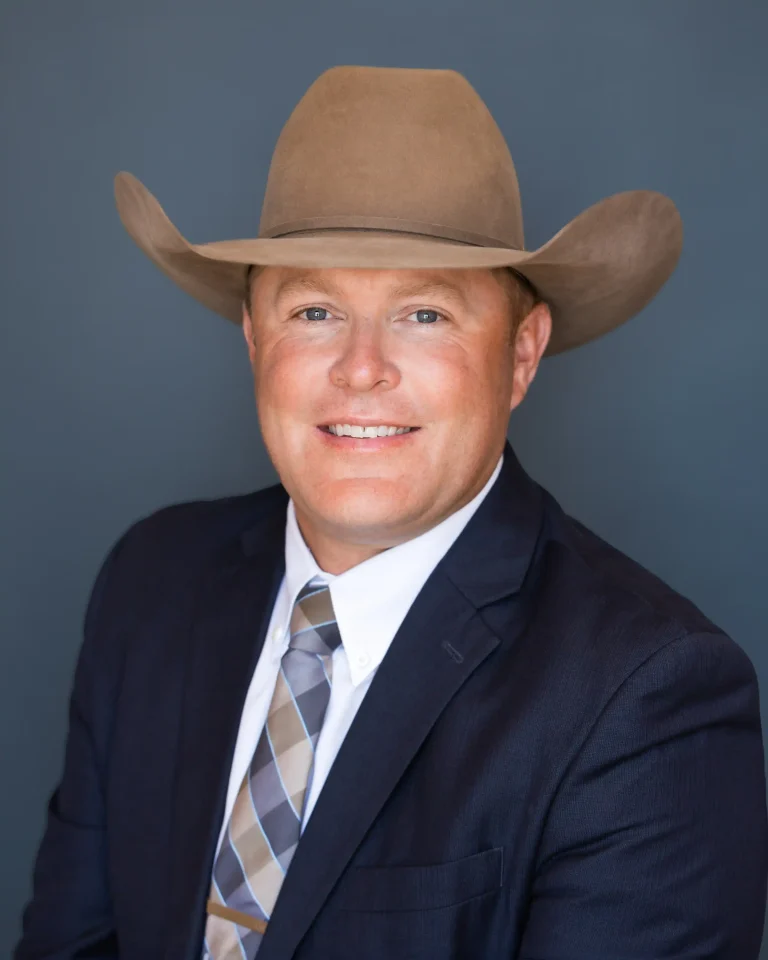
(Steve Dittmer is the author of the Agribusiness Freedom Foundation newsletter. Views in the column do not necessarily represent the views or opinions of WLJ or its editorial staff.)