Nebraska net farm income is projected to reach $9.4 billion in 2026, up 16% from 2025, according to a new report by agricultural economists at the University of Nebraska–Lincoln and the University of Missouri.
Strong cattle receipts and higher government payments are driving the increase. Crop receipts are projected to increase 5% after declining for three consecutive years, but production expenses are expected to rise for the sixth consecutive year.
The projections are part of the Fall 2026 Farm Income Outlook for Nebraska, a report produced by the Center for Agricultural Profitability at Nebraska, and the Rural and Farm Finance Policy Analysis Center at Missouri. The report is an aggregate, statewide outlook and results for individual operations can vary widely depending on what they produce and their financial situation.
Brad Lubben, an Extension agricultural policy specialist at Nebraska, said that rising farm income numbers don’t necessarily indicate widespread profitability for Nebraska farms and ranches.
“We continue to see genuinely strong cattle receipts and some improvement in crop receipts, but government payments are again playing a substantial role in the net income projection,” he said. “We also see expenses continuing to rise, so financial pressure is a reality for many producers.”
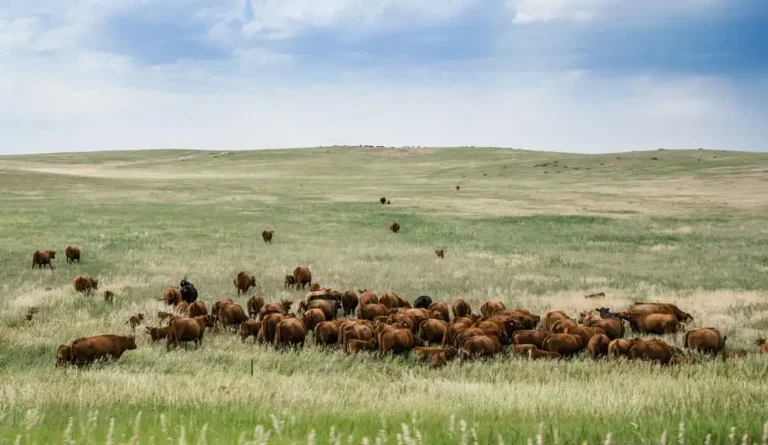
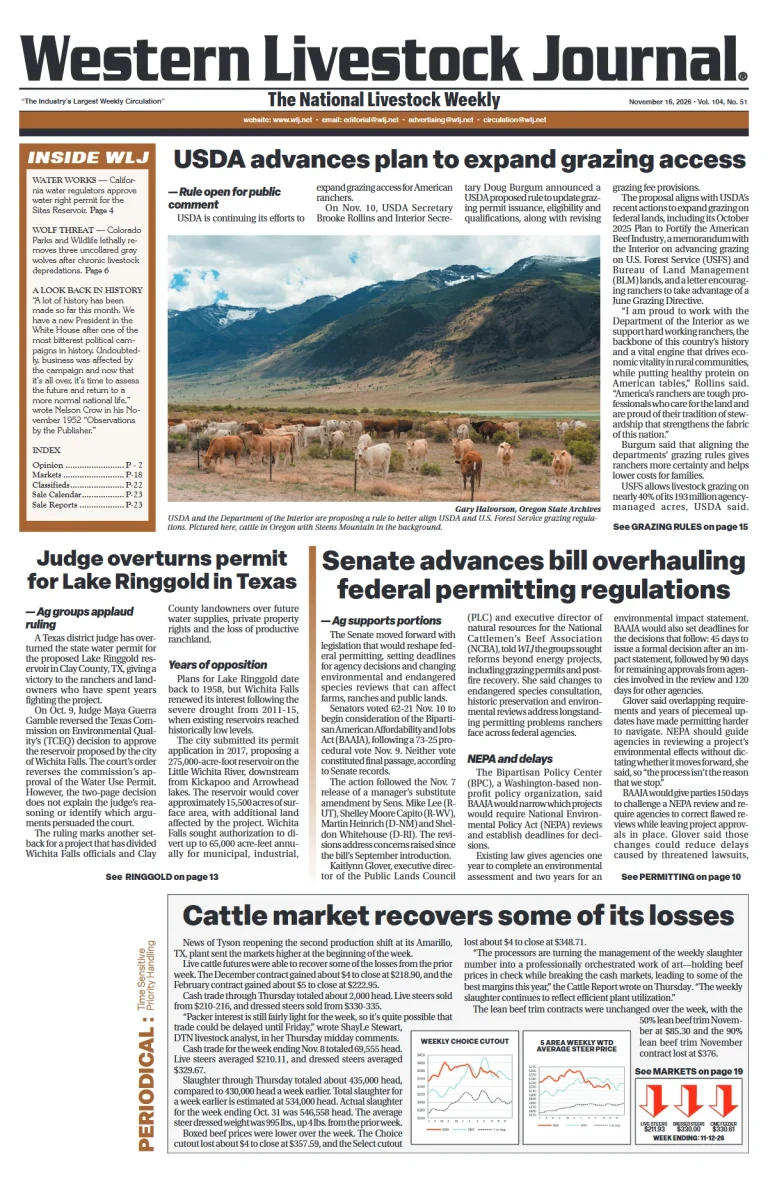
The report projects cattle receipts to reach a record $22.29 billion in 2026, up 10% from 2025, with higher prices and slightly higher slaughter weights supporting the increase.
Cattle are expected to drive total Nebraska livestock cash receipts up 6% to $24.3 billion in 2026. Meanwhile, hog receipts are expected to decline by 3%, and poultry and egg receipts are expected to fall 44%, largely because of lower egg prices as flocks rebuild following recent outbreaks of highly pathogenic avian influenza.
Direct government payments are expected to increase by $1.38 billion, or 95%, in 2026, reflecting higher payments through the Agriculture Risk Coverage and Price Loss Coverage programs and supplemental assistance, primarily the Farmer Bridge Assistance Program.
Higher receipts from corn and soybeans are expected to increase total crop receipts in the state by 5% to $12.23 billion. This follows three consecutive years of declining receipts and comes despite a decline in total field crop acreage, according to the report.
“With fewer corn acres harvested this year, production is expected to drop, along with a slight decline in yield, but corn prices are expected to be up for the year, which would boost cash receipts,” Lubben said.
The report projects corn receipts to rise 4% and soybean receipts to increase 12%. Wheat receipts are projected to decline 36% following drought conditions and heat stress, particularly in western Nebraska, during the growing season.
Production expenses continue to climb
Total production expenses for Nebraska agriculture are expected to increase by 1%, to $31.61 billion, in 2026, marking the sixth consecutive annual increase. Lower expenditures for repairs, maintenance and pesticides are expected to partly offset increases in fertilizer, fuel and purchased livestock expenses.
Looking ahead, the report projects another 3% rise in Nebraska net farm income for 2027, even as net cash farm income—a measure of farm-sector cash income after cash production expenses—is expected to fall by 8% next year. Higher crop and livestock receipts, along with favorable changes in farm inventory values, are expected to offset lower government payments and higher expenses.
Lubben reiterated that an increase in net farm income doesn’t necessarily translate into more cash available to Nebraska producers, citing the report’s 2027 forecast.
“Part of the projected 2027 net farm income increase comes from changes in the value of farm inventories, like grain in the bin or unsold animals,” he said. “Those are measured in overall farm income but don’t always mean the producer has more cash on hand. Even as net farm income is projected to rise again in 2027, we’re expecting net cash farm income to be down as government payments fall and expenses continue rising.” — Nebraska Extension