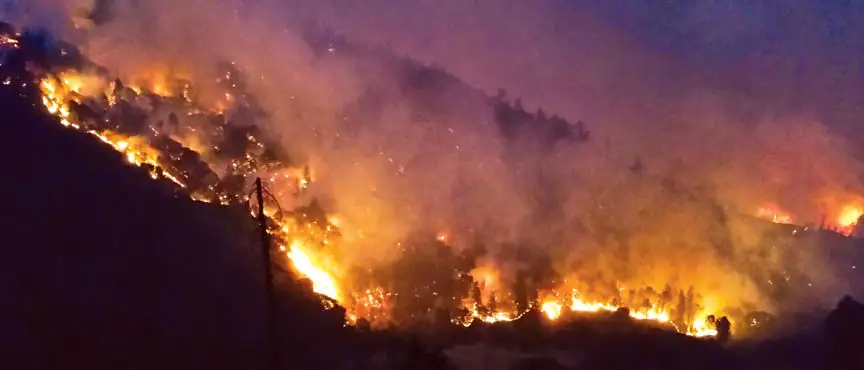
Tens of thousands of acres regularly burn during California’s annual fire season. Unfortunately, there are hundreds of thousands of acres burning now. This year is shaping up to be among the most destructive fire season in history.
At press time, roughly 170,000 acres in Northern California were actively burning in 35 different fires. The largest was the Napa-area Atlas Fire at over 43,350 acres.
Other large fires included the Tubbs Fire (34,270 acres) north of Santa Rosa in Sonoma and Napa counties, and the Redwood Valley Fire (30,000 acres) in Mendocino County. All three big fires had very little containment. The Tubbs Fire was the most contained at 10 percent.
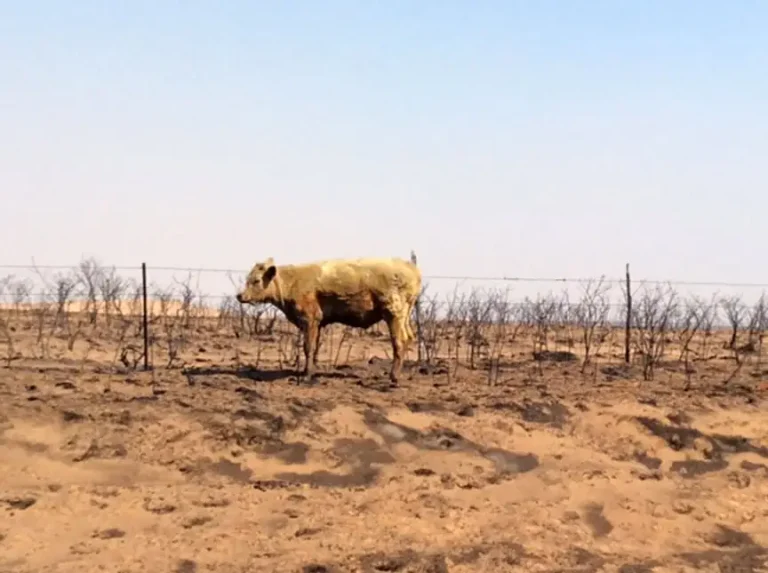
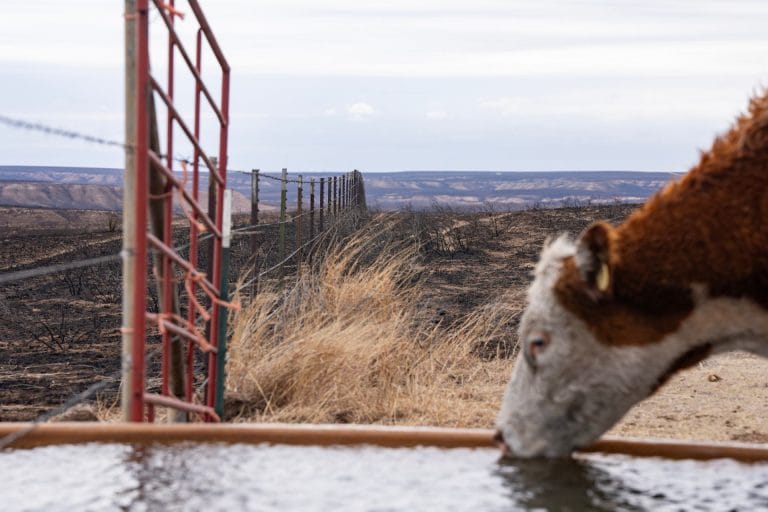
Various reports across mainstream media outlets cited the death toll at 21 with hundreds missing. Structures destroyed have similarly been cited at over 2,000. WLJ could not independently verify these figures. The California Cattlemen’s Association did not have any estimates on the numbers of ranchers or cattle potentially impacted by the fires.
According to the California Department of Forestry and Fire Protection (CalFire), The current year has seen more fires through Oct. 1—at 5,663—than seen during the same time last year (4,223). Collectively, those fires burned almost 233,000 acres. By the same time last year, almost 244,000 acres had burned.
Both 2016 and 2017 are trending above the five-year average on both number of fires and acres burned through the beginning of October. Those numbers are 4,191 and 200,224 respectively.
Those numbers account for only fires that are the responsibility of the state. If the scope is widened to all fires in the state, including those occurring on U.S. Forest Service land, the record of burned acres in 2017 jumps to over 760,000 acres.
On U.S. Forest Service land, the largest active fires were the Eclipse Complex (approx. 78,000 acres, 51 percent contained) and the Salmon August Complex (approx. 66,000 acres, 87 percent contained) fires, both burning in the Klamath National Forest.
Evacuation sites
Many of the affected areas have set up emergency relief efforts and are taking in evacuees. Fewer, however, are taking in evacuee livestock. Below are some locations accepting livestock and/or sources on how to find livestock evacuation information:
- Sonoma County Fairgrounds, Santa Rosa — The fairgrounds are accepting evacuated livestock. Most information on evacuated livestock available seems to apply to horses rather than cattle. They ask that each animal be individually identified to their owners, to the point of literally writing phone numbers on the animals themselves. Instructions on evacuated livestock can be found online at www.sonomacountyfair.com/animal-evacuation.php. Emergency livestock evacuation contacts are Cliff Sanders at (707) 529-8464, Robert Garcia at (707) 293-8408, and Jason Cavanaugh at (707) 547-7343.
- Sonoma-Marin Fairgrounds, Petaluma — According to the group’s recent Facebook postings, it is still accepting evacuated livestock, though little information is given. What little is available is that they have stall space for “small livestock” and ask that evacuees with livestock enter through Gate 4 on Payran St.
- Mendocino County Fairgrounds, Boonville — The group told WLJ that they are accepting livestock, including cattle and horses. A respondent suggested livestock should be brought in by the large gate near the grandstands. Use (707) 895-3011 as the contact number.
- Solano County Fairgrounds, Vallejo — The fairgrounds asks that people bring evacuated livestock to the main gate located on Fairgrounds Dr. Horse barns are at the south end of the property. Contact information included in the available information list the Solano County Animal Control at (707) 784-1629 and the Solano County Fairgrounds at (707) 551-2008.
- CropMobster — This online agricultural community forum has set up a page specifically to help those affected by the Northern California fires connect with those who can help. CropMobster has partnered with the University of California Agriculture and Natural Resources Extension program. Visit sfbay.cropmobster.com/bay-area-fire-resources to find posts from individuals who can offer aid or even evacuation lodging for livestock.
- Facebook —WLJ found the most up-to-date information on evacuation availability on the official Facebook pages of counties, fairgrounds, county animal shelters, and other similar groups. The fires have knocked out power in some areas and many people do not have access to computers or office phones. Sources of information accessible by mobile phone have been often the most responsive and timely. Some specific Facebook groups that are particularly informative are the Napa/Santa Rosa Fire Animal Evacuations and the Solano County Horse/Livestock Fire Evacuation Help Pages.
Most evacuation sites taking livestock ask that people bring feed if possible. Several requested volunteers. Most locations taking evacuees have been deluged with donations of personal items, and have asked that the communities stop donating such items unless they are specifically requested.
WLJ will keep you updated as the situation progresses. — Kerry Halladay, WLJ editor