
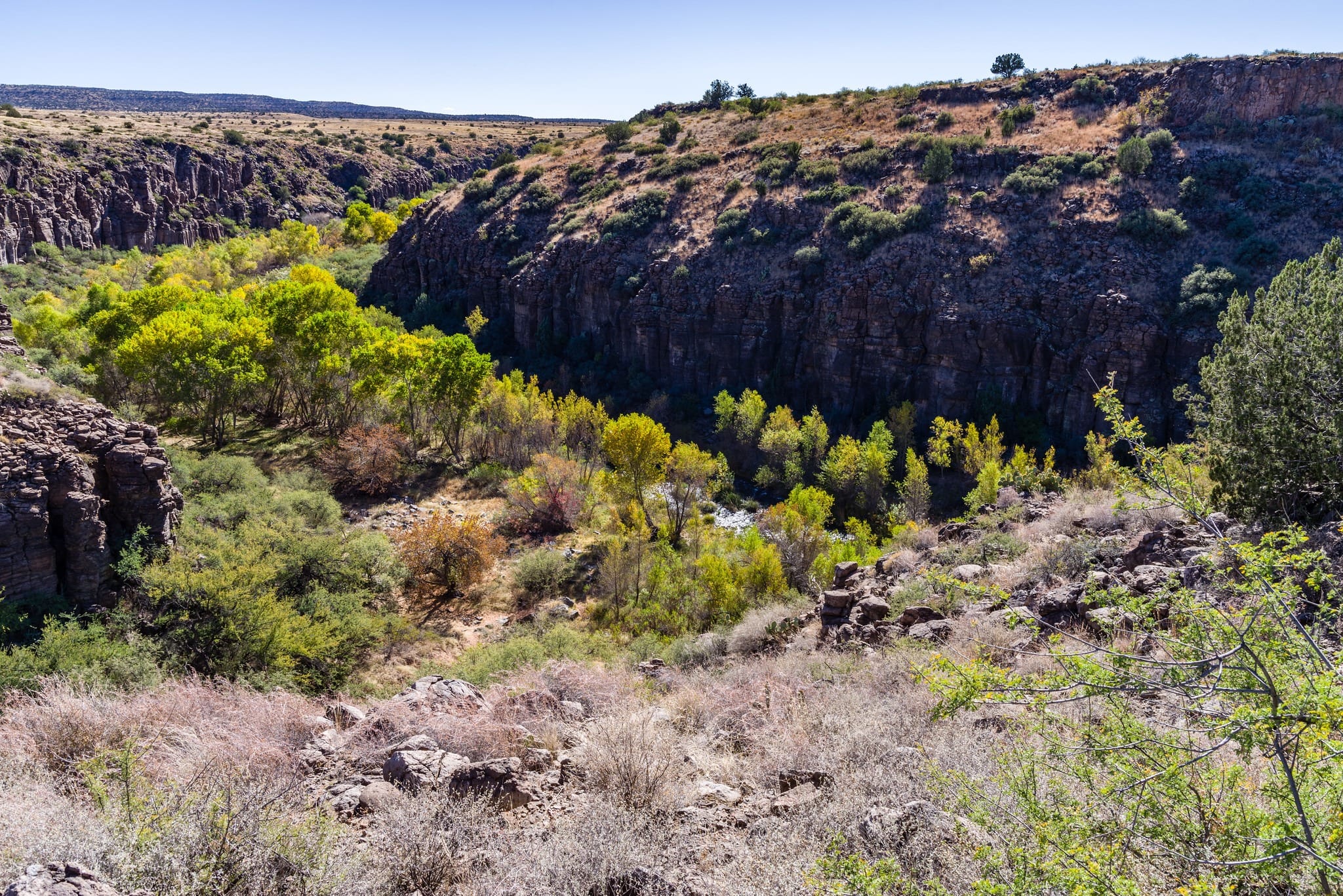
The U.S. Court of Appeals for the 9th Circuit has affirmed a lower court ruling upholding the U.S. Forest Service’s (USFS) cancellation of a grazing permit held by an Arizona rancher, finding the agency’s decision was supported by substantial evidence and complied with federal law.
The case stems from the agency’s 2022 decision to cancel rancher Silkie Perkins’ term grazing permit for the Antelope Hills Allotment in Arizona’s Prescott National Forest, following documented instances of unauthorized grazing.
Case background
According to the district court order, Perkins was issued a 10-year term grazing permit in 2016, authorizing livestock use on approximately 14,397 acres of federal land, with about 7,700 acres considered suitable for grazing.
The permit required compliance with an allotment management plan and annual operating instructions, which set stocking levels, grazing seasons and resource protections. The allotment management plan specifically closed the Verde River corridor to livestock grazing to protect riparian habitat.
Perkins signed the plan, though handwritten notes on the document indicate she did so “under duress due to issues concerning river grazing,” reflecting disagreement with those restrictions.
Under the 2021 annual operating instructions, drought conditions shortened the grazing season to March 1 through April 30, after which all livestock were required to be removed from USFS lands.
After the April 30 deadline passed, USFS personnel began documenting multiple instances of cattle tied to Perkins’ permit grazing where they were not authorized. According to court documents, that included livestock in the Verde River corridor and the Jerome Allotment, an area closed to grazing since 2008.
Investigators pieced together the record using trail camera images, on-the-ground inspections and reports from a nearby cement plant. Plant employees said cattle repeatedly wandered onto the property, leading them to call Perkins or her associates to come retrieve them. Visitor logs reflected those interactions, with entries such as “Silky to get cattle” appearing multiple times.
The district court order notes that Perkins, her son or individuals linked to them, visited the plant more than 20 times in 2021 to deal with the cattle. USFS also documented broken fencing and ongoing livestock access into restricted areas over several months.
Based on that record, the agency issued a notice of noncompliance in February 2022 and later moved to cancel the permit in August, citing unauthorized grazing and a failure to keep livestock under control.
Court rulings
Perkins challenged the cancellation under the Administrative Procedure Act (APA), arguing the decision was arbitrary, unsupported by evidence and contrary to law.
The district court granted summary judgment to the federal defendants, finding USFS had relied on sufficient evidence and followed proper procedures. The court pointed to repeated instances of unauthorized grazing and concluded that livestock associated with Perkins’ permit had been present on federal lands beyond authorized periods.
The court also rejected Perkins’ argument that she was not responsible for cattle owned by her son, noting that those animals had been authorized under her permit and that she retained responsibility for compliance.
On appeal, the 9th Circuit reviewed the case under the APA’s deferential standard, meaning the court would only overturn the agency’s decision if it was arbitrary, capricious or not supported by the evidence.
The panel first considered whether the case was moot, noting that Perkins’ permit expired in 2025. However, the court found the dispute was still active because federal law gives existing permit holders priority for renewal if they remain in compliance, so the outcome could still affect her future grazing opportunities.
Looking at the merits, the court concluded the agency’s decision was backed by substantial evidence. The opinion noted that this standard does not require overwhelming proof—only enough relevant information that a reasonable person could rely on to reach the same conclusion.
The panel pointed to several pieces of evidence tying Perkins to unauthorized grazing, including testimony that her cattle repeatedly entered a nearby cement plant property and that she or her representatives were called to remove them. The court also agreed it was reasonable for the agency to determine that cattle associated with her operation had grazed on the Jerome Allotment, given its proximity to the plant and evidence showing cattle moving between the two areas.
The 9th Circuit also upheld the decision to hold Perkins responsible for cattle belonging to her son. The court noted that those animals were allowed to graze under her permit during the 2021 season and that she remained responsible for ensuring they were removed once that authorization ended.
Finding no abuse of discretion and no violation of law, the 9th Circuit affirmed the district court’s judgment, leaving the permit cancellation in place. — Charles Wallace, WLJ contributing editor



3 Comments