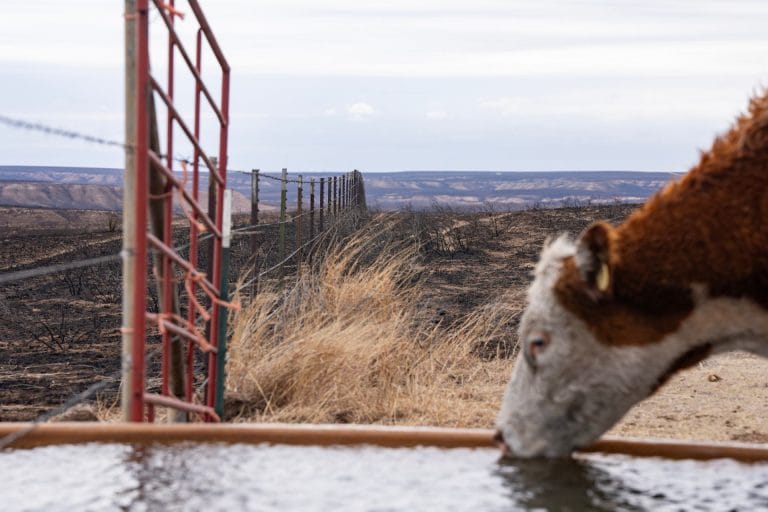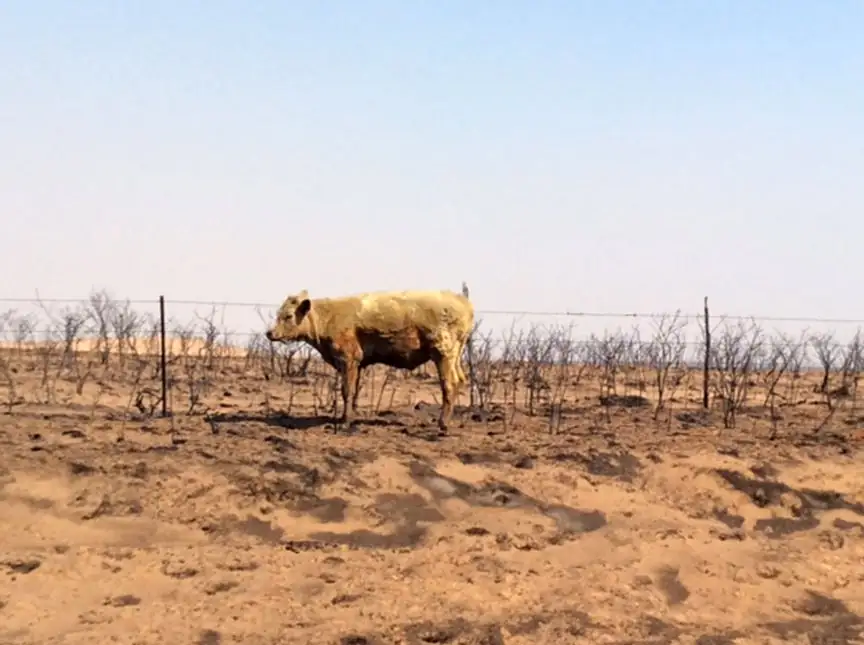
Wildfires in western and central Nebraska mirror a broader trend of increasing wildfire frequency and magnitude across the western U.S. While the immediate impacts of wildfire are devastating to beef production and rural communities, the effects of wildfire smoke may also pose risks to both human and animal health. In the weeks and months following a wildfire event, producers should remain vigilant and monitor calves for signs of respiratory disease or illness.
Combustion of biomass during wildfires produces carbon dioxide and water vapor but also generates ash, a mixture of inorganic compounds. Of particular concern is ultrafine particulate matter (less than 2.5 µm), which can travel deep into the lung alveoli and enter the bloodstream. In humans, these particles have been associated with inflammation and oxidative stress.
Limited research has examined wildfire smoke exposure in cattle. However, research of a small group of Simmental-Jersey calves reported increased concentrations of cortisol, an indicator of stress, following exposure to smoke from a wildfire approximately 10 miles away from the study site.
In the same study, concentrations of ceruloplasmin, a marker of systemic inflammation, were elevated following the wildfire event. Antibodies including immunoglobulin and immunoglobulin A were also increased, suggesting activation of the immune system.
Physiological stress and inflammation can negatively affect cattle performance and immune function. When immune defenses are compromised, calves may become more susceptible to respiratory pathogens.
In the development of bovine respiratory disease (BRD), opportunistic bacterial pathogens—including Mannheimia haemolytica, Pasteurella multocida, Histophilus somni and Mycoplasma bovis—are normally present at low levels in healthy calves. However, when viral infection or physiological stress suppresses immune function, these bacteria can proliferate in the respiratory tract, leading to morbidity, reduced performance and potentially death.
Because stressors such as wildfire smoke may increase disease susceptibility, monitoring calves closely for early signs of illness is important. One practical approach is the D.A.R.T. method, which helps producers identify calves that may require further evaluation.
D: Depression
Observe calf posture and behavior. Droopy ears or head carriage, lethargy, increased time spent lying down, and separation from pasture mates may indicate illness. Because cattle are prey animals and tend to hide sickness, subtle behavioral differences may only become apparent after calves become accustomed to your presence.
A: Appetite
Reduced appetite—whether at the feed bunk or during nursing—can indicate a health challenge. On pasture, reduced gut fill relative to herd mates may also signal decreased intake.
R: Respiration

Healthy cattle typically take 10-30 breaths per minute. Increased respiratory rate, shallow breathing or abnormal sounds such as coughing or raspy breathing may indicate respiratory disease. Nasal discharge or excessive eye secretions may also accompany illness.
T: Temperature
Rectal temperatures of approximately 103.5-104 F or greater are indicative of fever and warrant further attention.
Early detection and treatment of sick calves improves the likelihood of recovery and helps reduce performance losses associated with respiratory disease. Extra vigilance and responsiveness may mitigate negative health outcomes in the weeks and months following wildfire smoke exposure. — Brock Ortner, Nebraska Extension