Subscribe to WLJ
Pleasant View Auction
Advertisement
Environment

BLM seeks input on wild horse management tools

WLJ
Jun. 05, 2026 1 minute read 6 comments
BLM seeks input on wild horse management tools

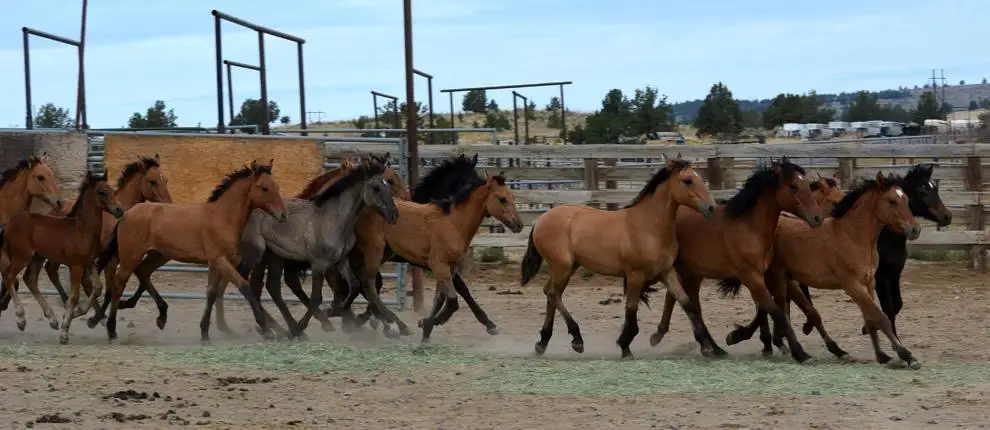
“Kiger” horses gathered from the Riddle Mountain Herd Management Areas in Oregon run in a corral.

Oregon BLM

The Bureau of Land Management (BLM) is seeking public comments on an environmental review that evaluates humane, science-based ways to manage wild horse and burro populations on public lands.

The agency estimates the herds are more than three times larger than what the land can sustainably support alongside wildlife, livestock and other uses.

“The assessment will analyze and compare a range of management alternatives to reduce overpopulation and slow growth, including gather and fertility control methods, to improve how the BLM manages and protects herd and land health,” BLM said.

The assessment will not directly authorize any new actions, but will streamline the National Environmental Policy Act process by providing baseline analysis, the agency said.

Comments may be submitted until July 2 at tinyurl.com/y89h586v.
Share this article

Join the Discussion

Your email address will not be published. Required fields are marked *

This site uses Akismet to reduce spam. Learn how your comment data is processed.

6 Comments

  1. Daniel Russell
    June 6, 2026
    Really, the reason the general public detests the rancher is the way they treat wild horses. The picture of a mare protecting her foal from a Helicopter and a horseback cowboy transcends any lie you want to tell us about this issue.
  2. Sandra Santee
    June 11, 2026
    castrating young stallions that are ready to breed, leaving the one head stallion for the herd, would really cut back on fouls. Sounds like a lot at first, but young stallions keep to themselves, so separating them is not hard. Once you start the system, allowing a few young males to become the next lead stallions, the herd will be more manageable and without the loss of life.
  3. Lorinda Markegard
    June 12, 2026
    Please just geld the studs… It’s very simple
  4. Cherie Marshall
    June 12, 2026
    1. Move dates of roundups to later in the year so that younger foals especially new born are not harmed or die in the process of the round up. 2. Use birth control and gelding to eliminate the need for removing them and lower the population. 3. Enforce current regulations for adoption as well as yearly checking. A lot of mustangs end up in ether at non blm auctions or slaughter and should be returned to blm for re adoption. 4. Do Not remove small herd populations under 20 horses for diversity and preventing extinction. 5. remove grazing cattle from areas wild horses graze. This Prevents starvation and allow for larger population of horses to exist. 6. Allow unadopted blm horses that have been Gelded or given long te birth control to return to the areas they were rounded up from.
  5. Lori Steinhart
    June 12, 2026
    Whether or not land can sustain cattle should not matter in regards to these animals. Mother Nature is smarter than all of you and she will do what’s necessary. I’m sick of killing horses and burros and rounding them up so cattle ranchers can get richer using ranges meant for wildlife. No killing should be allowed. No helicopters or mechanical devices. A sterilization program will eventually wipe them all out. Is that what you want?
  6. CJ Leonard
    June 14, 2026
    No overpopulation of Wild Equines exist in most HMAs! The Reality is the other “multiple uses” are being given priority over Americas Wild Equines. Recently, AMLs have been set so low without scientific basis. Most AMLs are inappropriate to continue the genetic diversity of the very old lineages of our wild equines on those HMAs. Protect the old lineages and descendants from 100’s of years ago so they continue the rugged original genes that Nature developed over many many generations. Do not wipe out the old genetics. For example, the Kiger wild horses have specific DNA and this needs to be protected, maintained and no outside genetics should be introduced. South Steens is another example with their many colors and specific lineages that have been recorded by many observers & advocates. Many HMAs have their own genetics and lineages developed by Nature and this needs to be maintained by Nature not skewed by humans. McCullough Peaks wild equines also have very old genetics that need to be continued without introduction of any other wild horses from another area. Visitors go out to see them and expect the natural order of wild equines not human made order. Science based healthy continuation of wild equines is a population of 150+ as the NAS has reported. Wild Equines were supposed to have priority on our HMAs and be protected from harassment, branding and gelding, and being removed from our lands below Genetic viability with the reason that they were valued Icons of our West. Thank You.

Keep reading

Related stories

Read the latest digital edition of WLJ.

August 10, 2026