An Arizona rancher is fighting to overturn the cancellation of her federal grazing permit, arguing that the U.S. Forest Service (USFS) relied on inaccurate information and failed to follow required procedures.
Silkie Perkins spoke to WLJ about her ongoing legal dispute and why she continues to challenge the agency’s decision.
After the 9th Circuit Court of Appeals affirmed a lower court’s ruling, Perkins petitioned for a rehearing, alleging that USFS employees and government attorneys misrepresented or overlooked evidence. The court denied her petition and issued its mandate. Perkins later filed separate motions to recall the mandate and strike a filing, which the court denied.
Perkins intends to continue challenging the ruling, including by seeking U.S. Supreme Court review of the court’s summary judgment, and plans to raise additional questions about her permit cancellation. The status of her Supreme Court request has not been independently confirmed.
Dispute over livestock and fencing
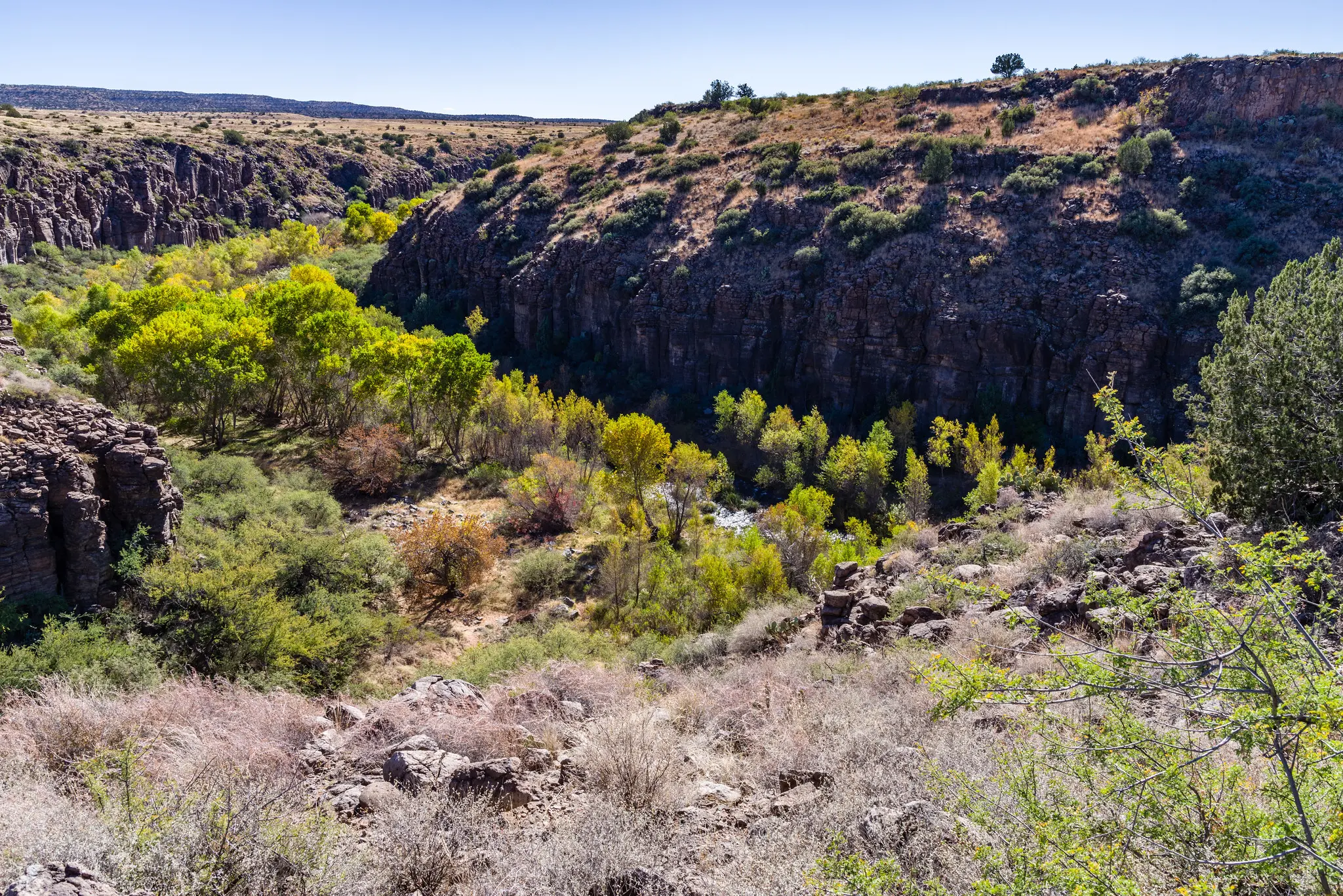
The dispute centers on unauthorized cattle entering protected areas along the Verde River near Perkins’ Antelope Hills Allotment in Arizona’s Prescott National Forest. Perkins maintains that the cattle came from the neighboring Horseshoe Allotment, where she says the permittee failed to maintain a boundary fence.
Perkins argues that USFS wrongly held her responsible for her son’s cattle beyond the authorized grazing season of March 1 through April 30, 2021.
She maintains that the agency’s bill for collection established the authorized grazing period, but USFS relied on annual operating instructions (AOIs) to support its allegations of noncompliance, a distinction she said she raised before the 9th Circuit.
According to Perkins, USFS inspections beginning in May 2021 documented problems with the Horseshoe Allotment fence, but the agency did not require the responsible permittee to make repairs until later that year.
Perkins said cattle found on her Antelope Hills Allotment during a May 2021 inspection were promptly removed and her boundary fence repaired. She maintains that she had already corrected the problem and notified USFS personnel before receiving the agency’s request to take action.
Perkins said the Horseshoe Allotment fence was repaired by December 2021, and later inspections found no cattle in the affected riparian area. She also maintains that inspections beginning in January 2022 found no cattle on the Jerome Allotment.
Despite those circumstances, USFS issued Perkins a notice of noncompliance (NONC) on Feb. 24, 2022.
Perkins argues that NONCs are intended to notify permit holders of violations and provide an opportunity to correct them. She maintains that issuing a notice after the problems had been addressed was improper, particularly when another permittee was responsible for the fencing.
She contends that the ranger’s inspection records showed the Horseshoe Allotment permittee failed to maintain the fence and that the agency should have addressed the problem rather than holding her responsible.
In her motion, Perkins cites the 2001 Anchustegui v. Department of Agriculture ruling, which addressed notice requirements and opportunities to correct violations before permit cancellation, arguing that USFS failed to follow those procedures in her case.
Court findings and further challenges
As WLJ previously reported, Perkins renewed a 10-year grazing permit in 2016 covering about 14,397 acres of federal land, including about 7,700 acres considered suitable for grazing.
The permit required Perkins to follow an allotment management plan and AOIs governing grazing seasons, livestock numbers and resource protections. Grazing was prohibited along the Verde River corridor to protect riparian habitat, and drought shortened the 2021 grazing season.
According to court records, USFS personnel documented cattle in areas closed to grazing, including the Verde River corridor and Jerome Allotment, where grazing had been prohibited since 2008.
Perkins disputes the agency’s account, maintaining that the livestock documented in the protected river corridor were on the Horseshoe Allotment, where she says the neighboring permittee’s failure to maintain fencing allowed cattle to enter.
Court records show investigators used field inspections, trail cameras and records from a nearby cement plant, where cattle repeatedly entered the property, prompting Perkins or her son to retrieve cattle several times in 2021. USFS also documented damaged fencing.
Perkins disputes the evidence, noting that the cement plant was private property, and maintains the ranger found no cattle there during inspections and provided no grazing utilization analysis to support the agency’s findings. Perkins contends the conclusions were based on assumptions rather than evidence that unauthorized grazing had actually occurred on the allotment.
The agency issued a NONC in February 2022 and canceled Perkins’ permit that August.
Perkins challenged the cancellation under the Administrative Procedure Act (APA), arguing that it lacked sufficient evidence and violated federal law.
The district court upheld the permit cancellation, finding sufficient evidence supported the USFS decision. The 9th Circuit affirmed the district court’s ruling on April 24, 2026, citing cement plant records and cattle movements linking Perkins’ operation to unauthorized grazing on the Jerome Allotment. Perkins disputes those findings, arguing the courts overlooked inspection records showing the Horseshoe Allotment fence had been repaired, and later inspections found no cattle in the disputed areas. She maintains that evidence should have been considered before the courts upheld her permit cancellation.
Her motion to vacate the mandate sought reversal of the cancellation, recovery of legal expenses and an examination of USFS personnel conduct. Perkins said her motion focused on what she considers the ranger’s failure to fulfill administrative responsibilities, particularly the decision to issue her a NONC despite inspection records documenting fencing problems on another permittee’s allotment.
Perkins also challenges USFS’ use of AOIs to establish grazing schedules and management requirements. She argues that AOIs cannot independently change the terms of an existing permit or replace the allotment management plan and grazing authorization reflected in the agency’s bill for collection.
Perkins cites the Taylor Grazing Act and the Federal Land Policy and Management Act (FLPMA) of 1976, including 43 U.S.C. 1752, in support of her position.
Section 1752 of the FLPMA governs livestock grazing permits and leases on federal lands, generally providing for 10-year terms and giving qualifying existing permit holders priority for renewal. The law also allows federal agencies to modify, suspend or cancel permits under applicable laws and regulations, including when changes are needed to protect land resources.
The law also covers grazing management plans, environmental reviews and the process for appealing certain agency decisions.
Broader implications for ranchers
Perkins believes her case raises questions about federal grazing permits and agency authority that could affect ranchers throughout the West. She hopes further review will clarify their rights and encourages ranchers facing similar disputes to document their concerns and speak up.
Perkins disputes the 9th Circuit’s dismissal of her motion, arguing that her allegations concerning agency conduct and the evidence used in the permit-cancellation case remain unresolved.
“This is what every public lands rancher needs to know and argue from now on,” Perkins said.
Perkins also said she is contesting the proposed reissuance of her grazing permit to another party, which she believes the USFS intends to carry out Nov. 2, before her legal challenges are resolved. She argues that proceeding with the permit action would be in violation of the APA while her challenges remain unresolved. WLJ reached out to the USFS Chino Valley Ranger District to verify the planned action but had not received a response by press time.
Perkins said she has also reached out to the Arizona Cattlemen’s Association and Pacific Legal Foundation regarding her case.
WLJ contacted the Pacific Legal Foundation regarding Perkins’ case, but the organization said it keeps all inquiries confidential.
The outcome of her continued legal efforts remains uncertain. Still, Perkins hopes her case will draw more attention to how federal grazing permits are administered and how ranchers can challenge decisions that affect their livelihoods. — Charles Wallace, WLJ contributing editor